









































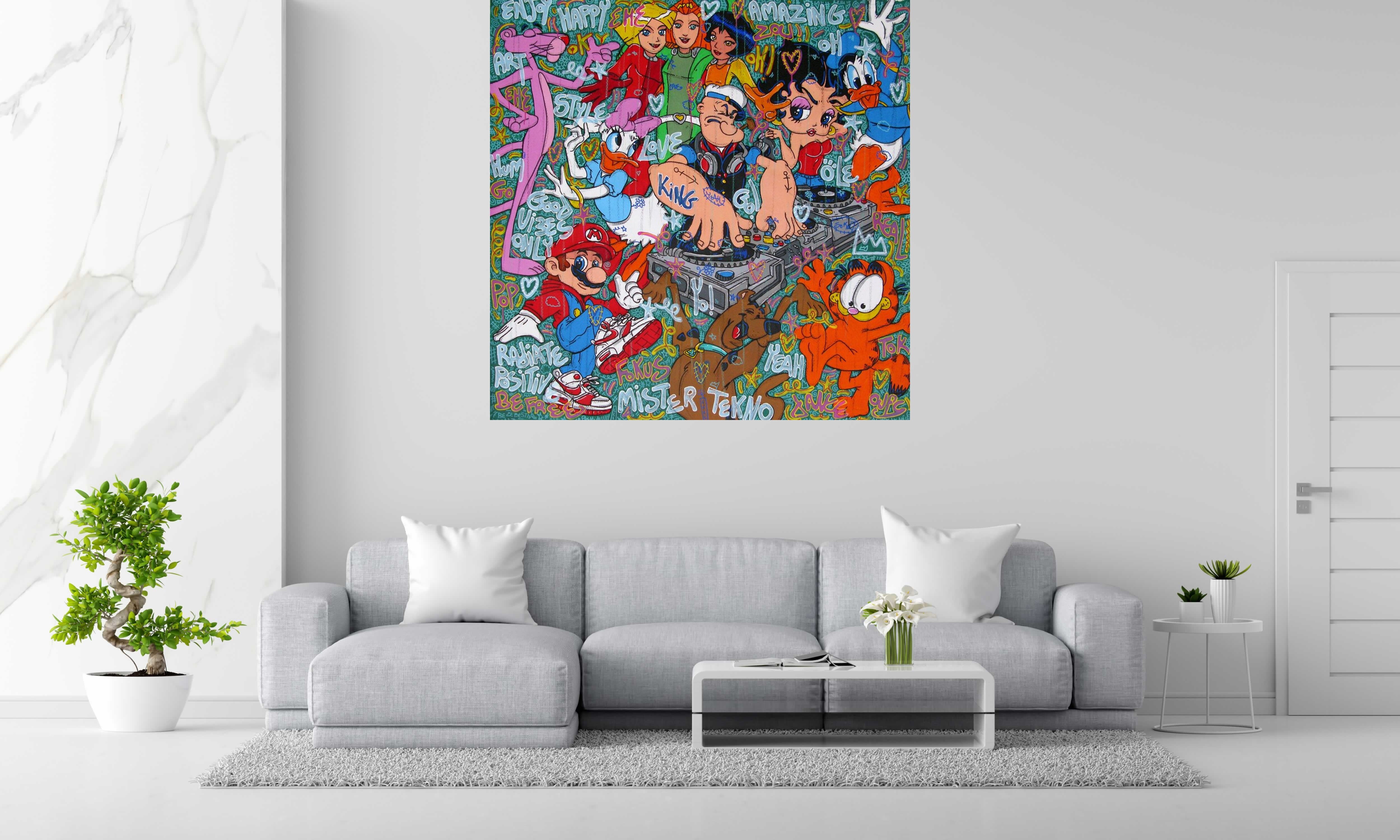
# Street Pop Art: When Urban Art Reinvents Popular Culture
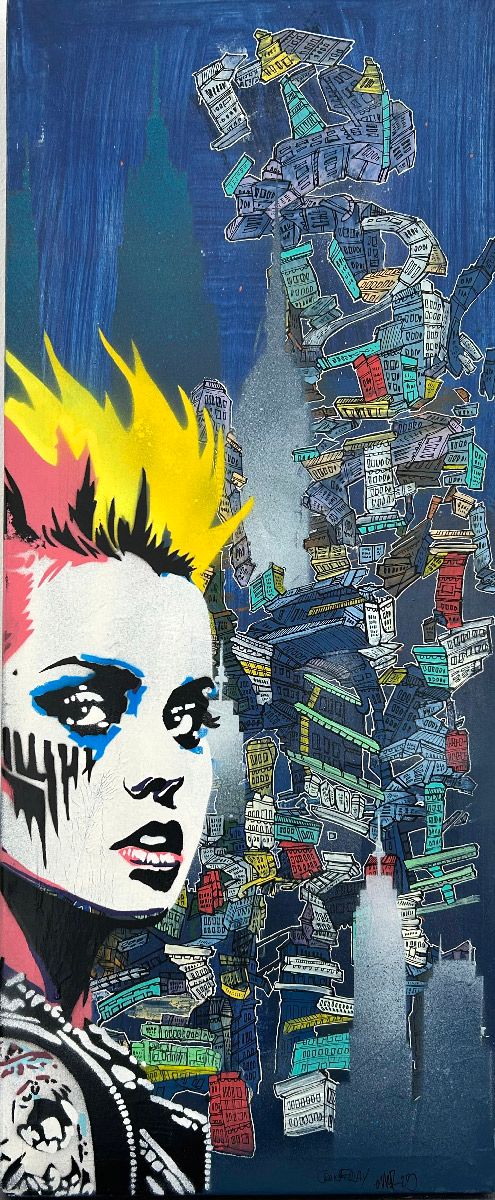
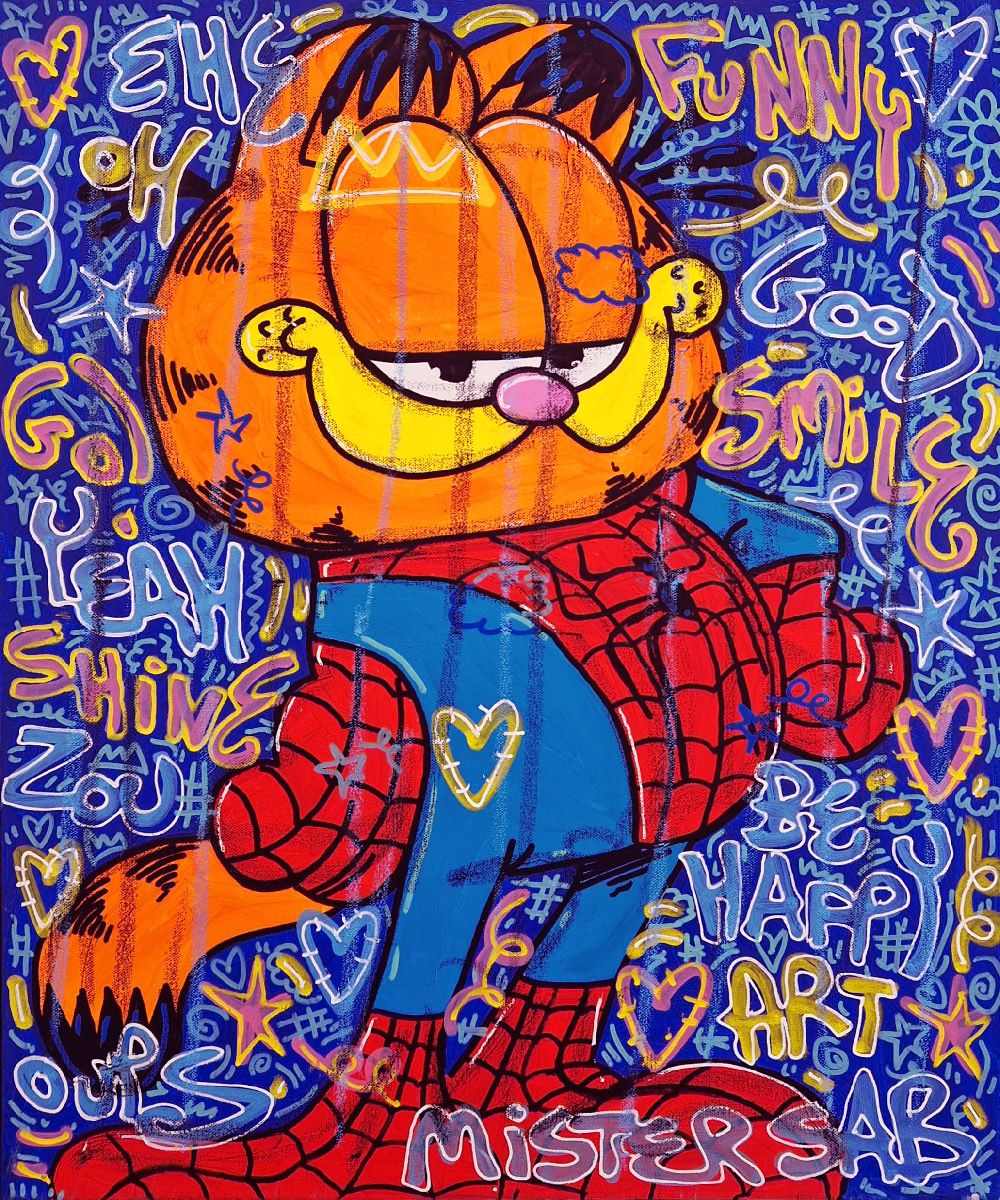
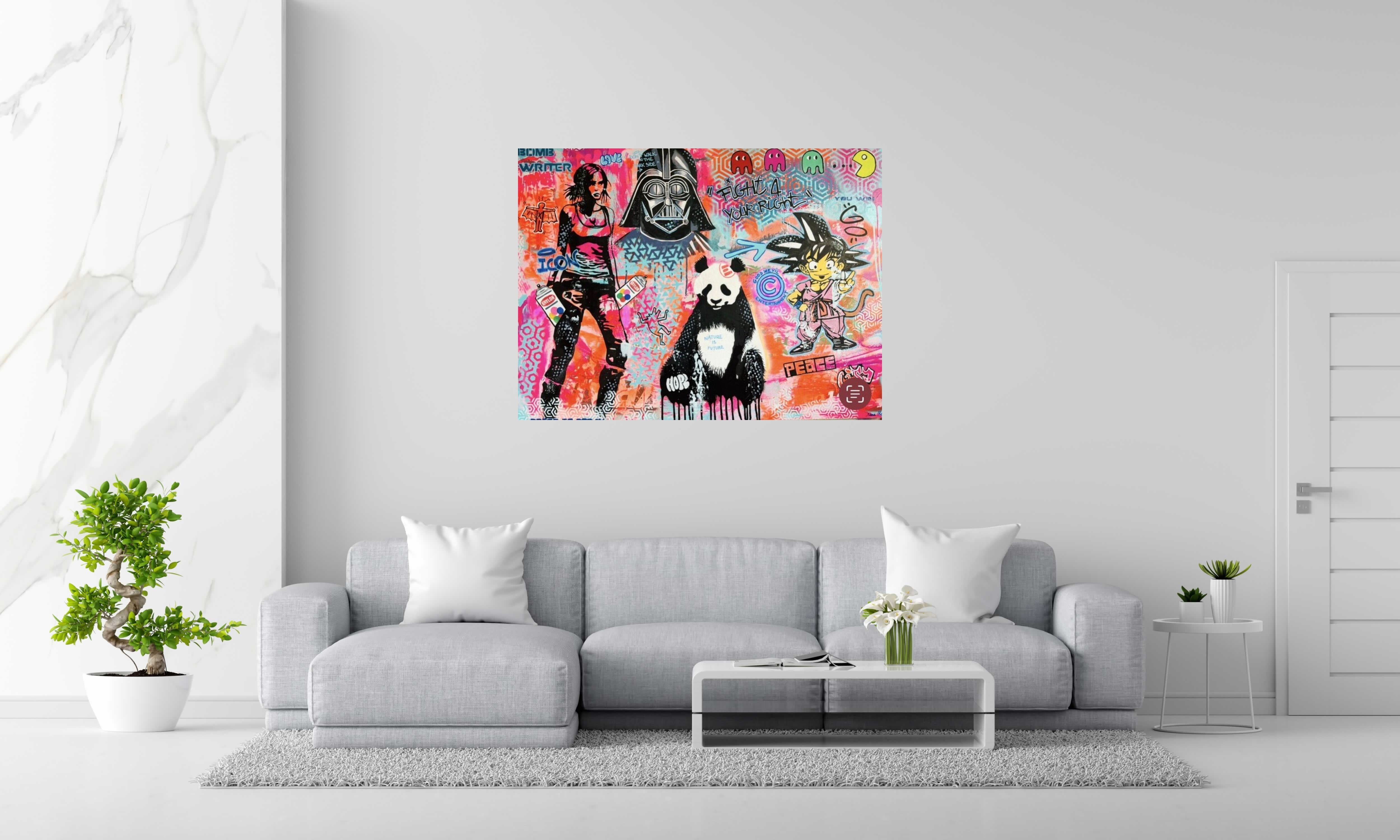
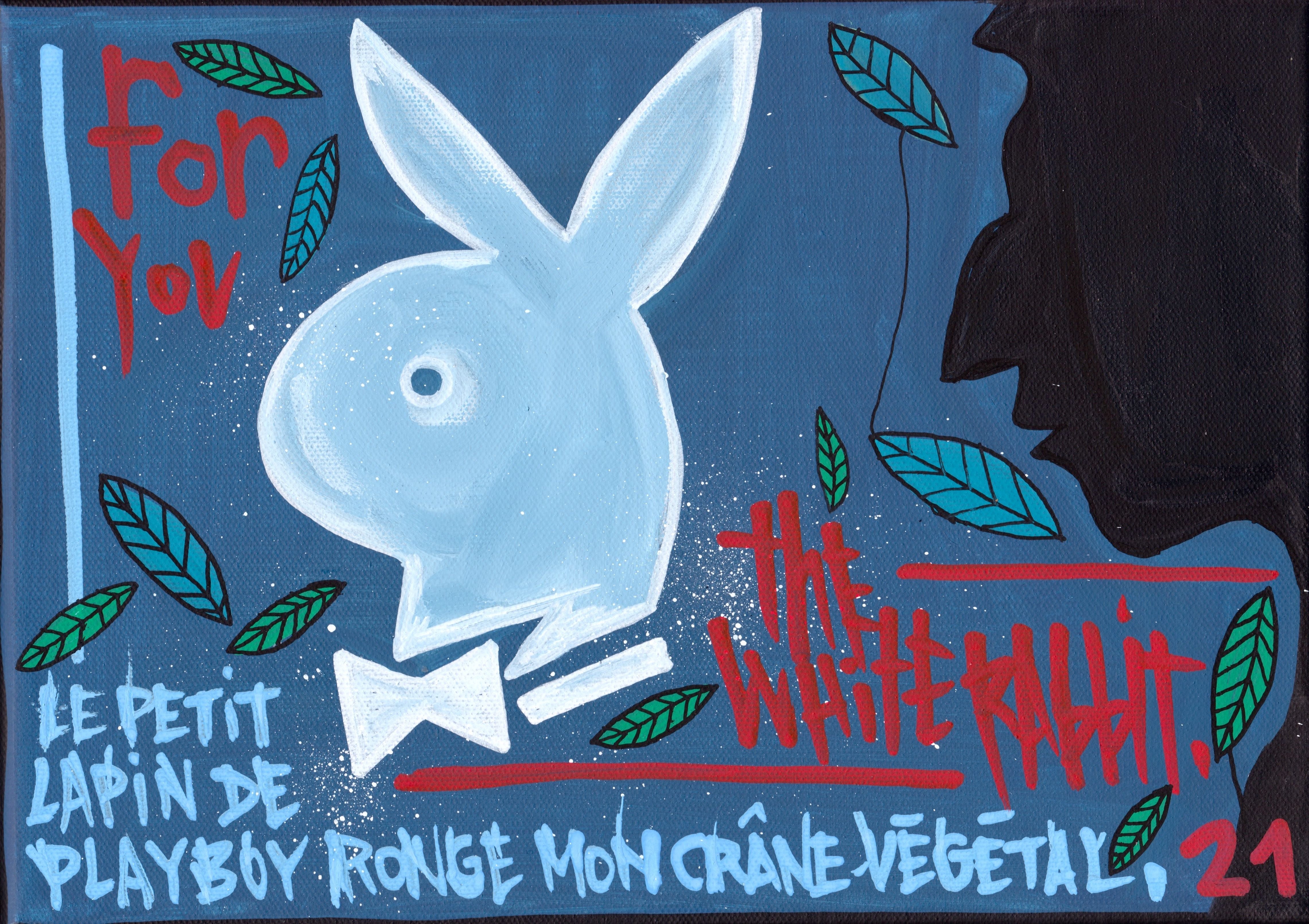
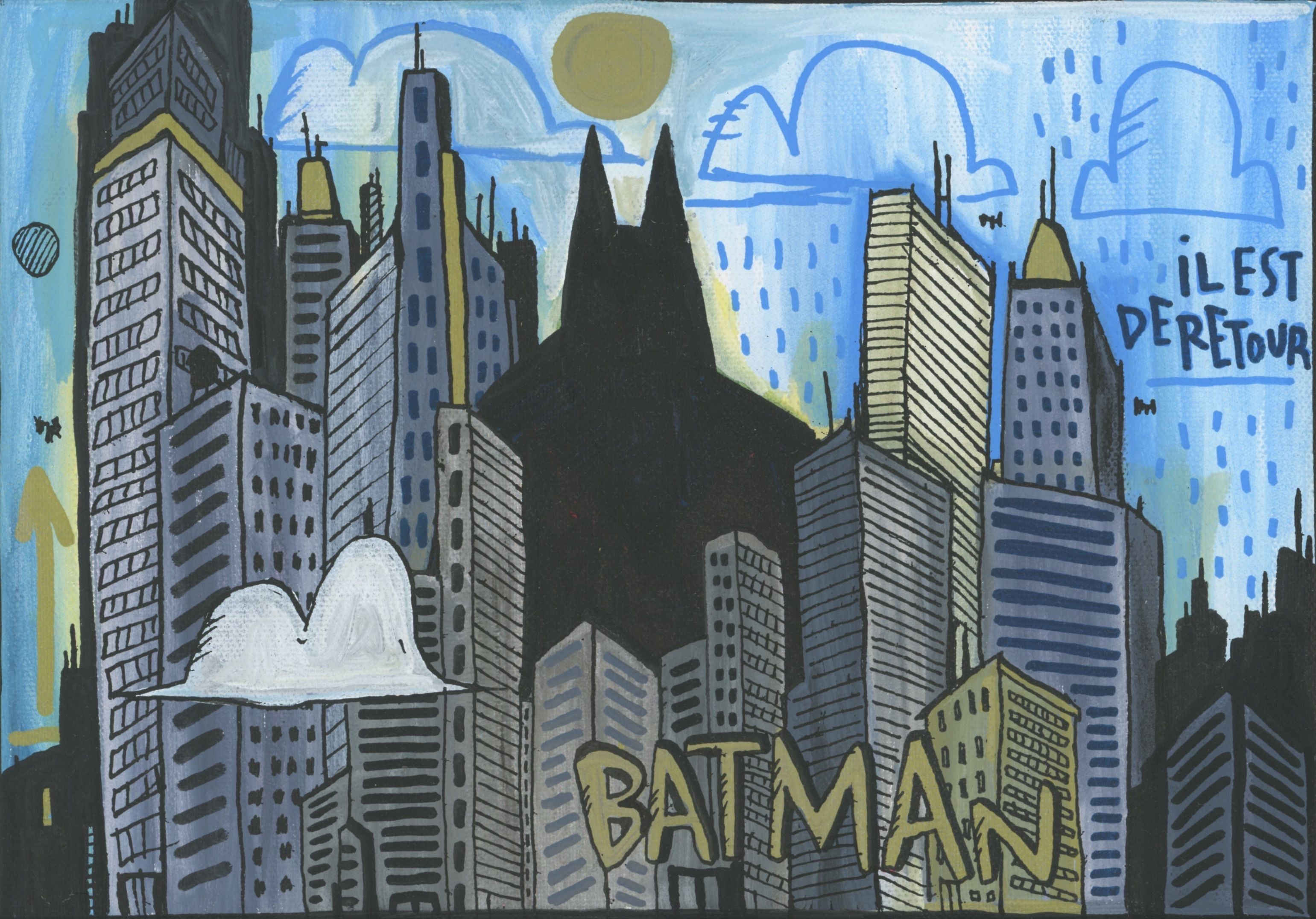
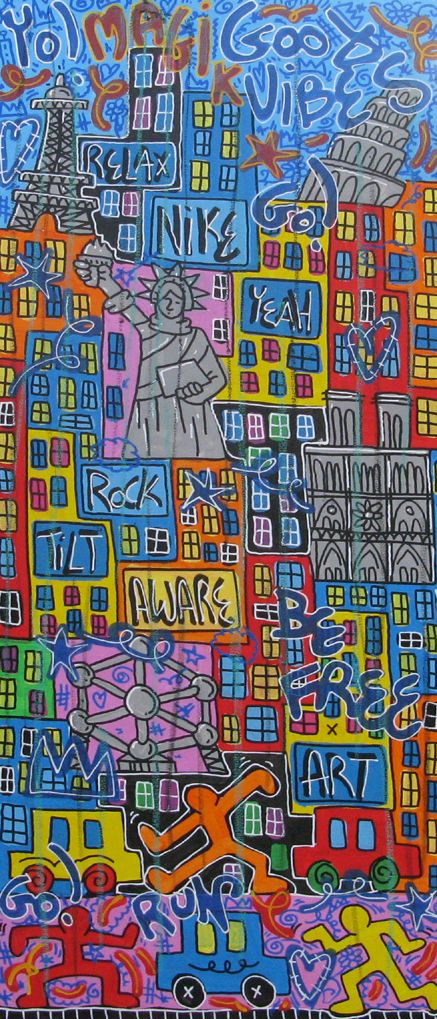
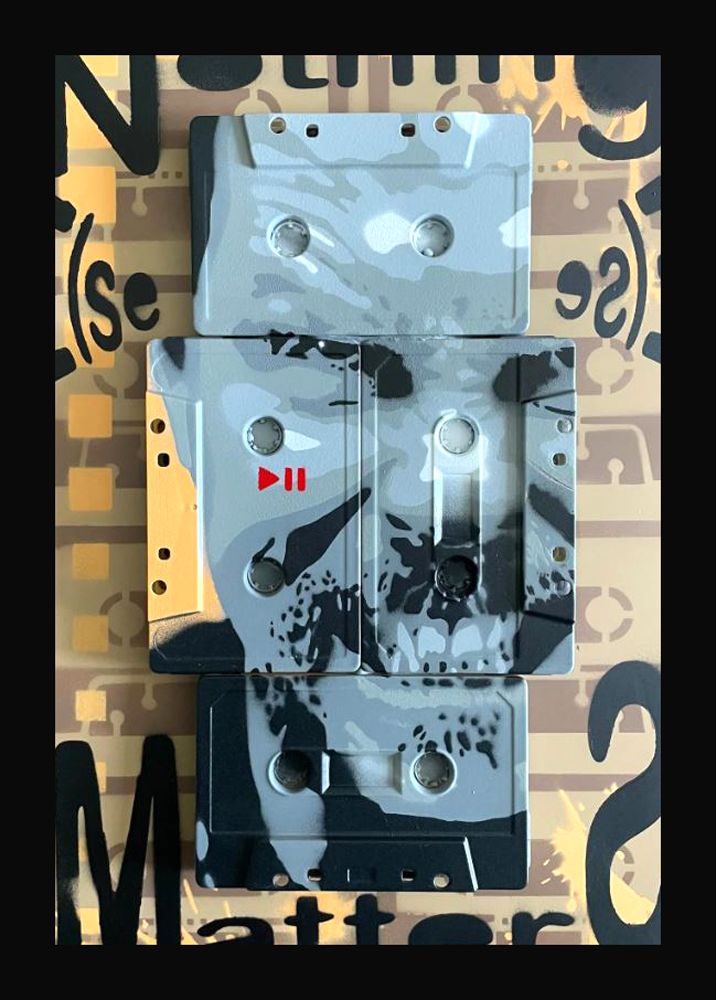
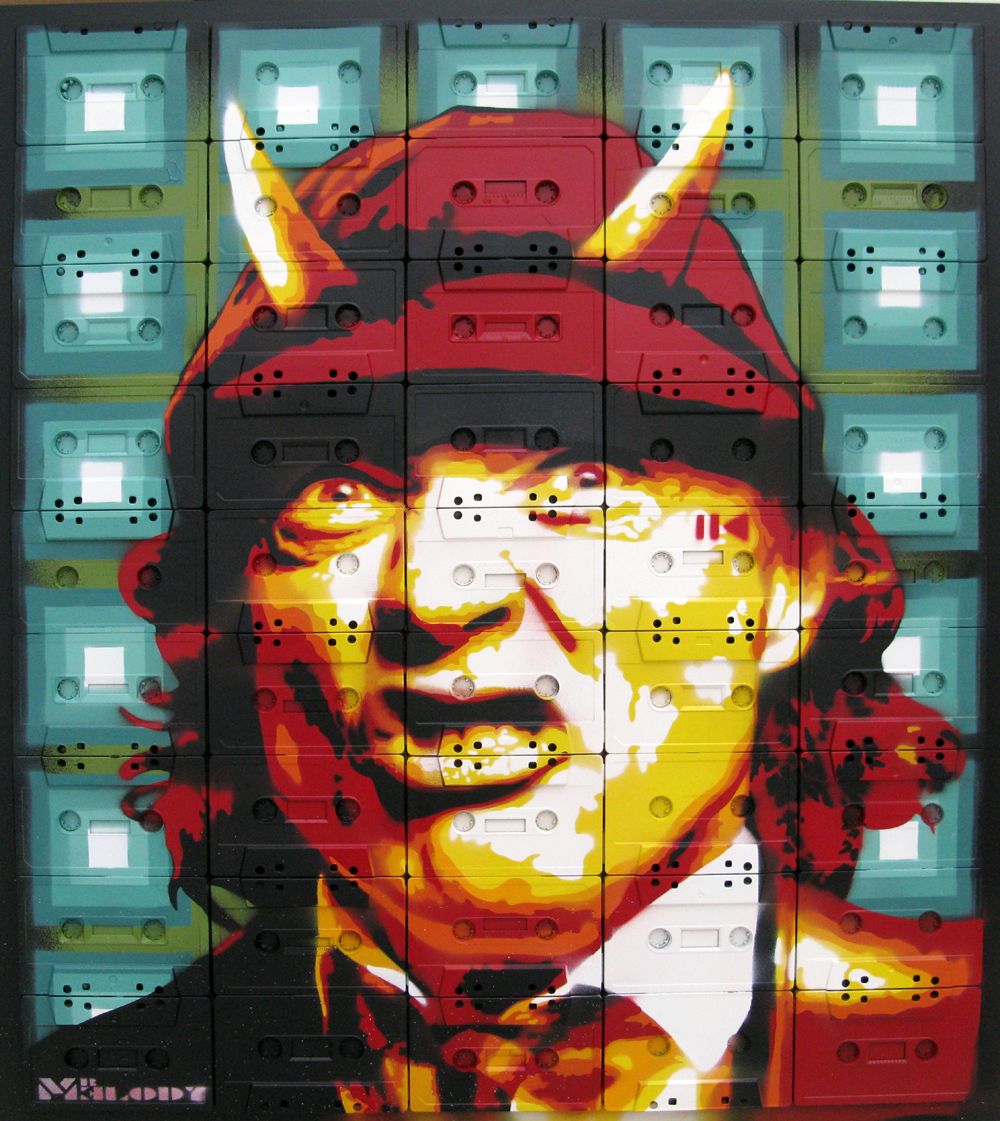
Street Pop Art is one of the most dynamic expressions of contemporary art. Inheriting from Pop Art, which emerged in the 1950s and 1960s, this artistic movement draws its inspiration from popular culture, media, advertising, cinema, music, comic books, and the urban environment to create works that are instantly recognizable and accessible to all.
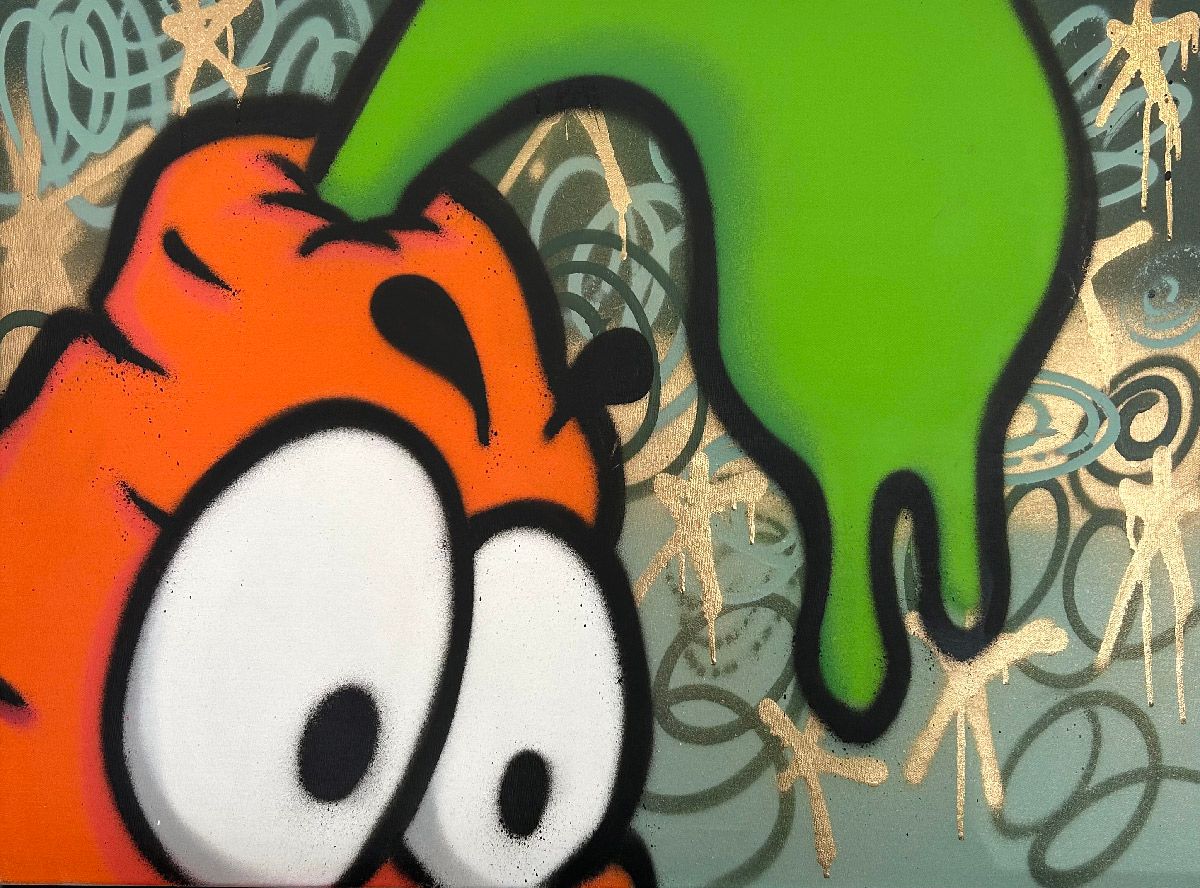
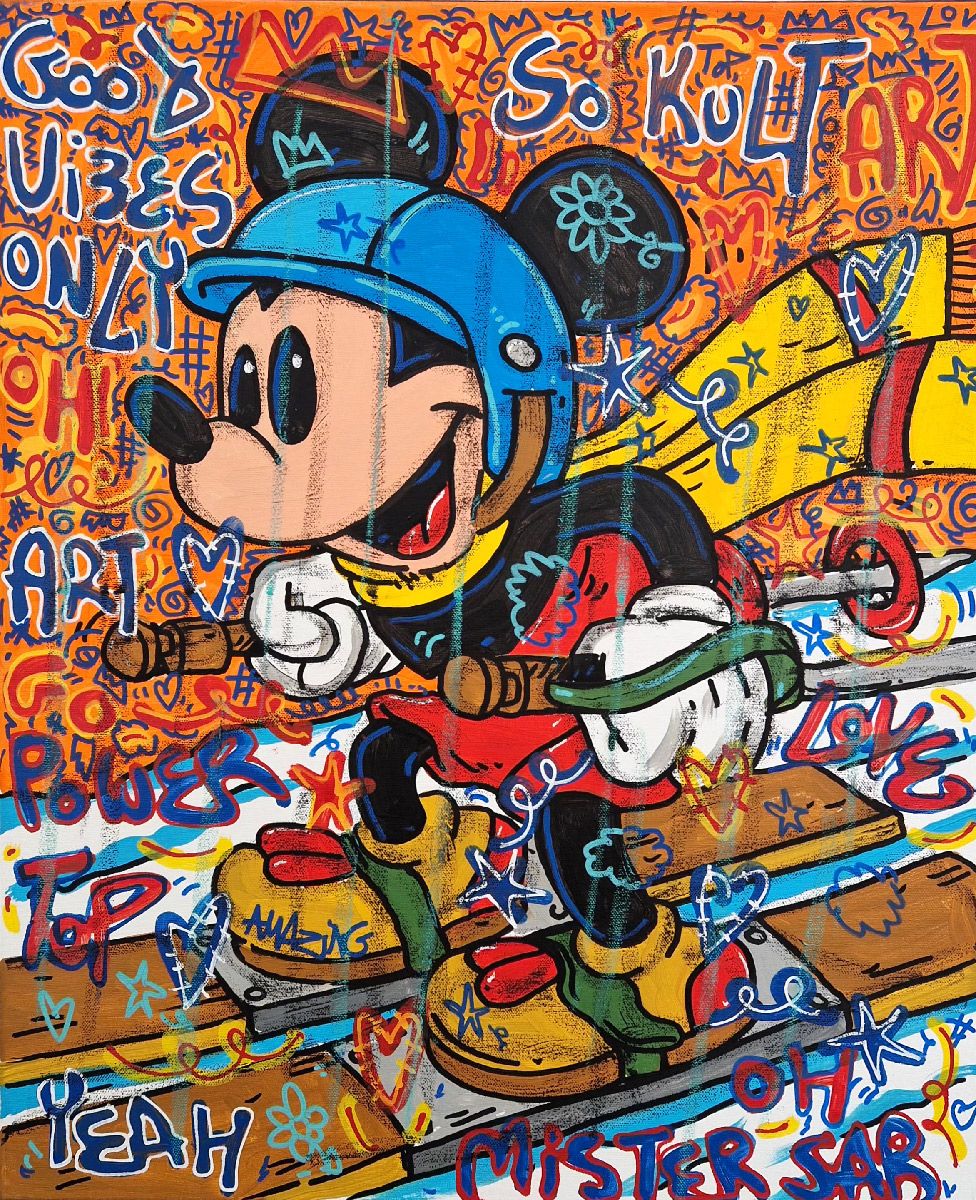
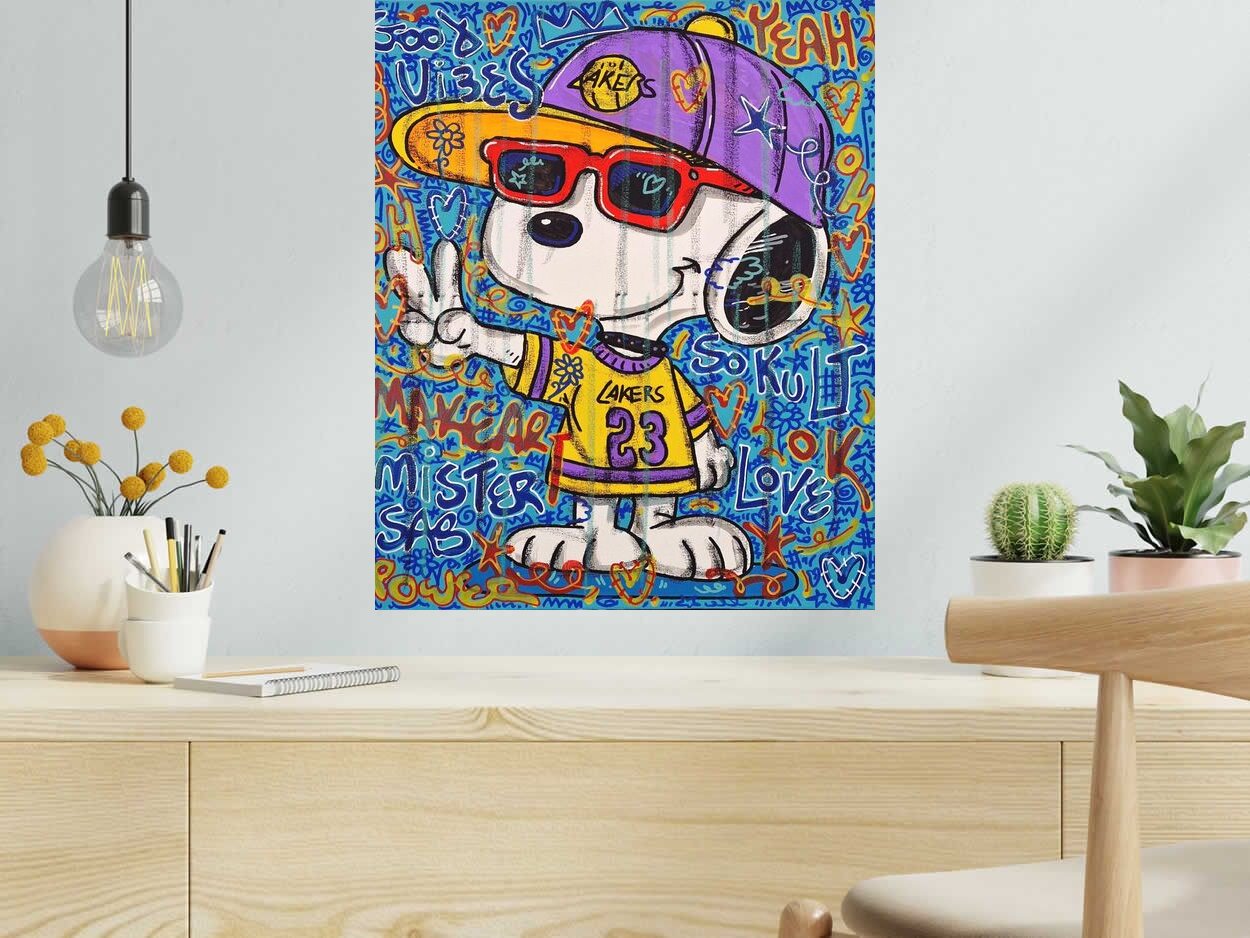
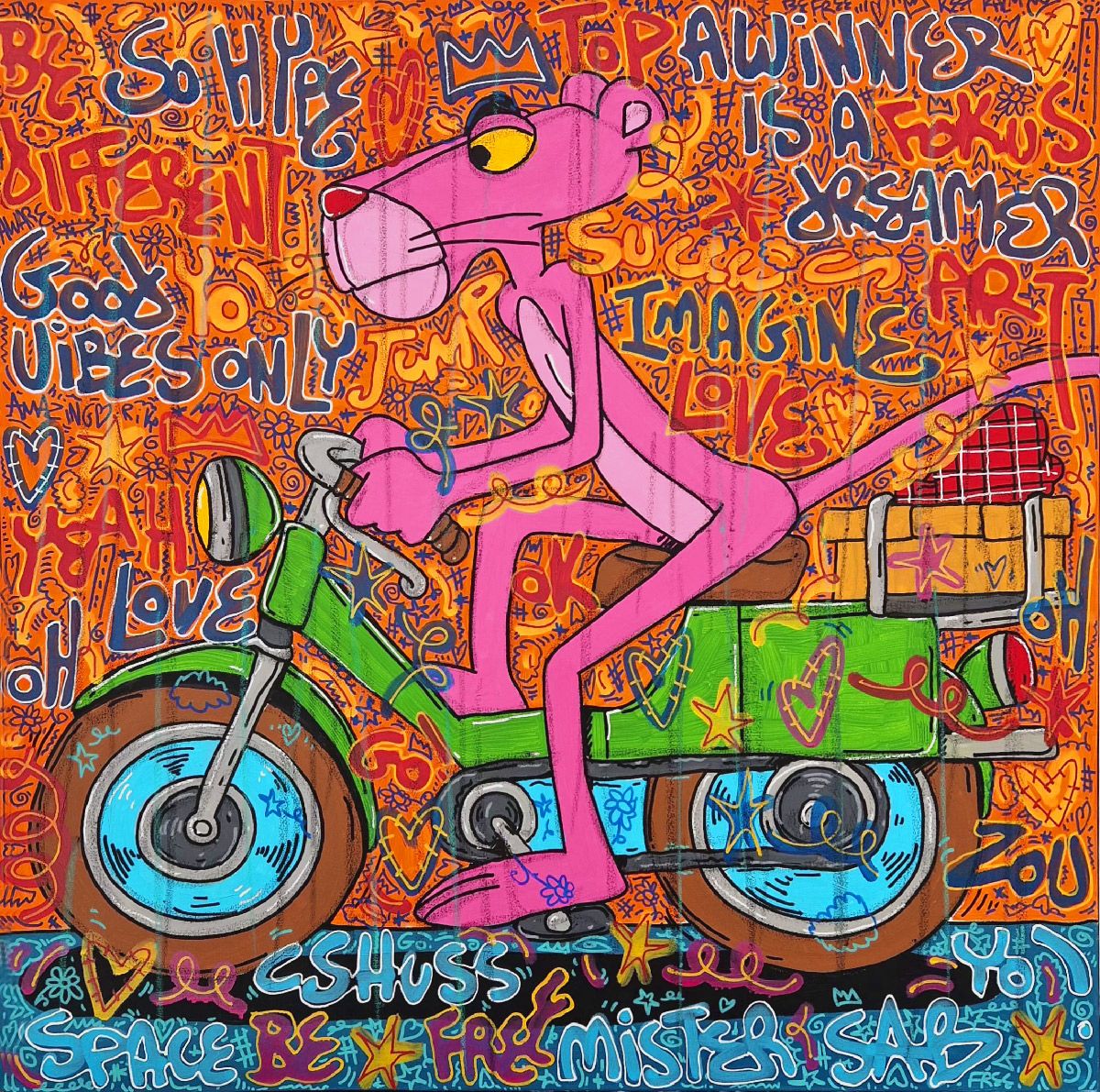
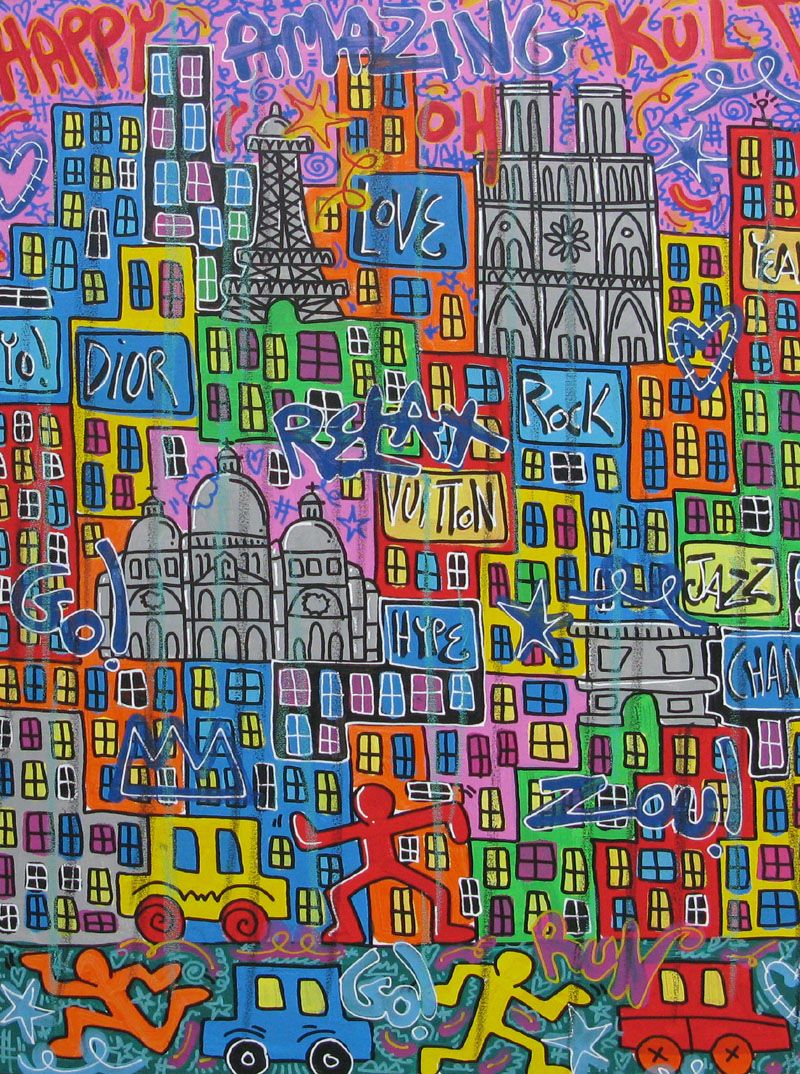
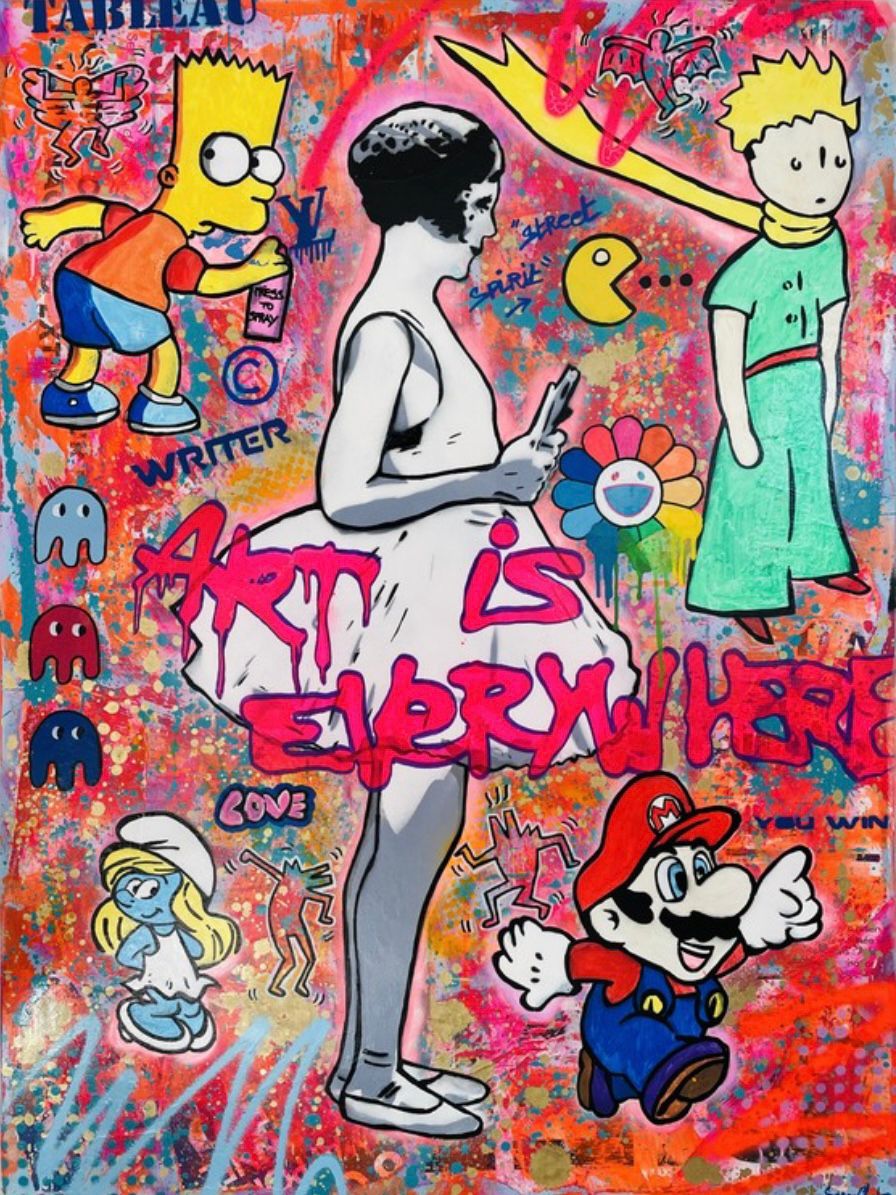
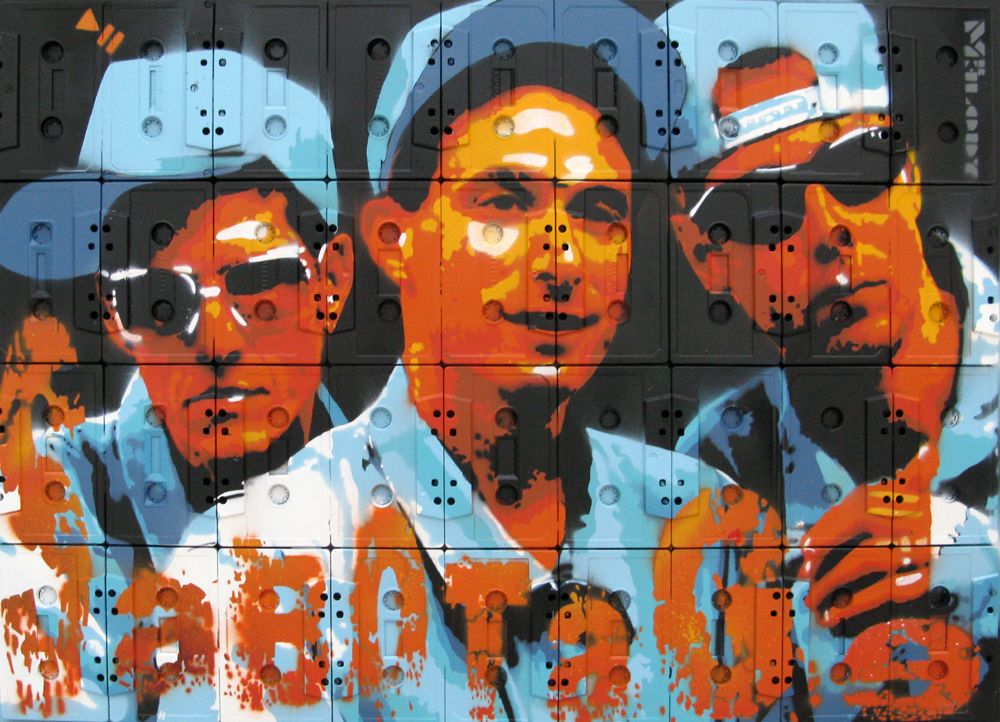
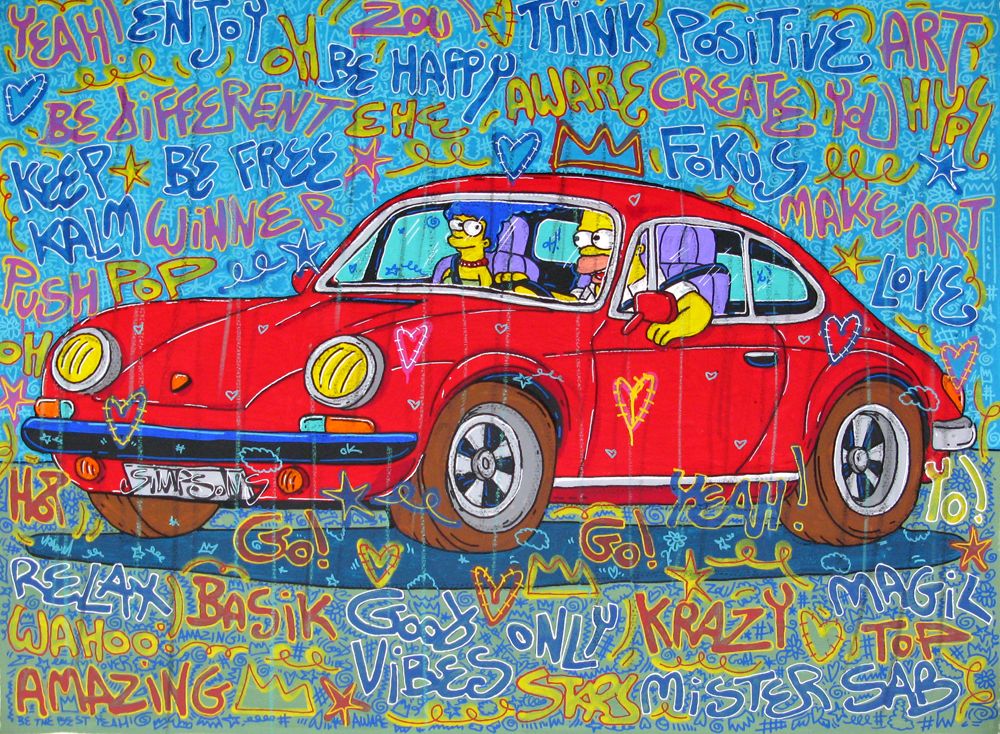
Through vibrant colors, powerful contrasts, and everyday references, Street Pop Art transforms the symbols of our era into true works of art. Logos, celebrities, iconic characters, advertising posters, and consumer objects thus become the medium for contemporary artistic reflection.
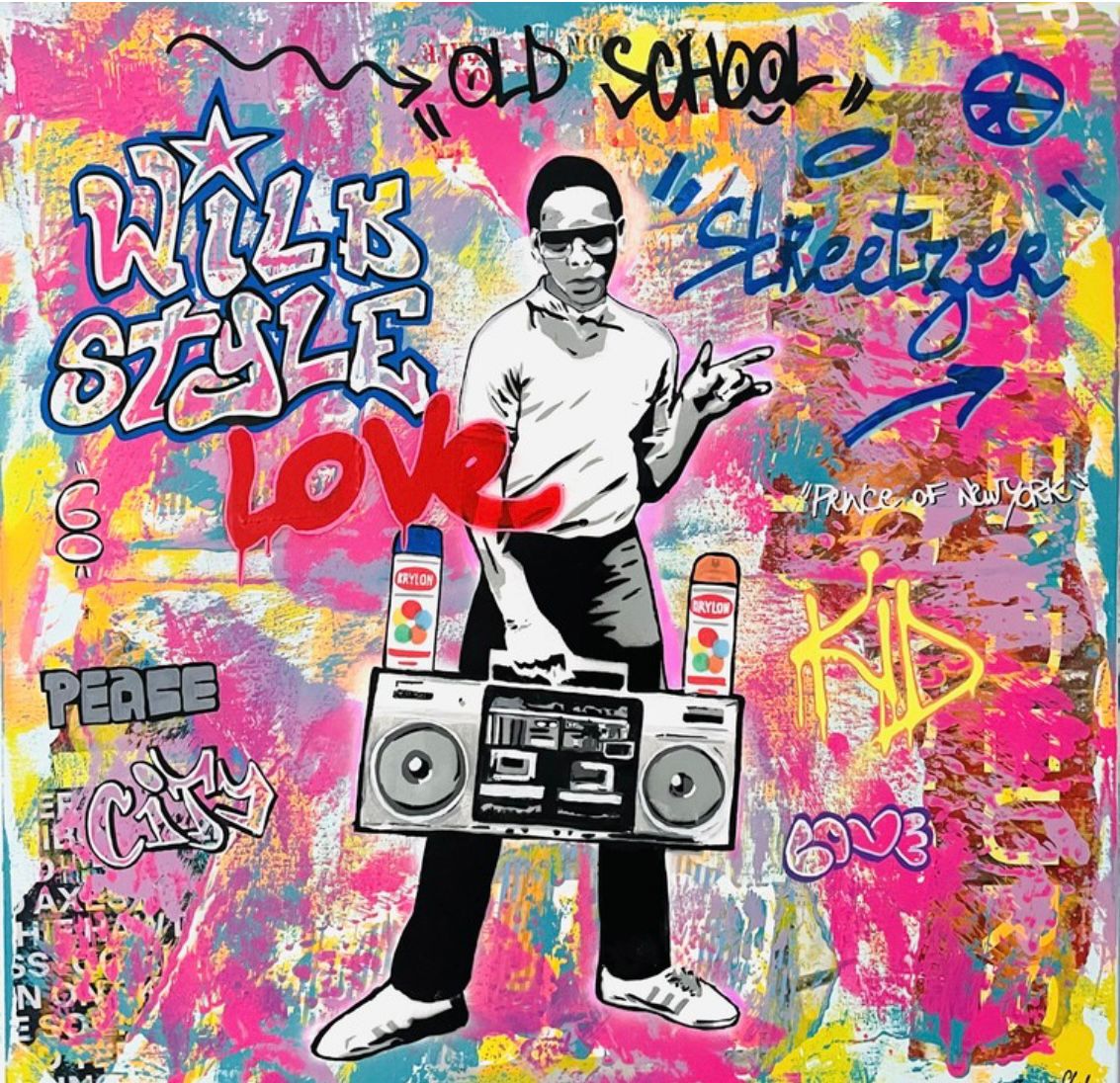
Street Pop Art is a continuation of Pop Art while incorporating the codes of Street Art and urban art. This encounter between two artistic universes gives rise to bold creations where freedom of expression, visual energy, and message play a central role.
## A Movement Inspired by Popular Culture
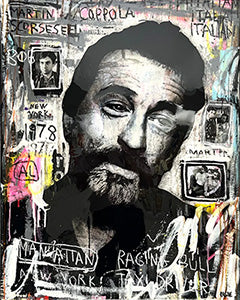
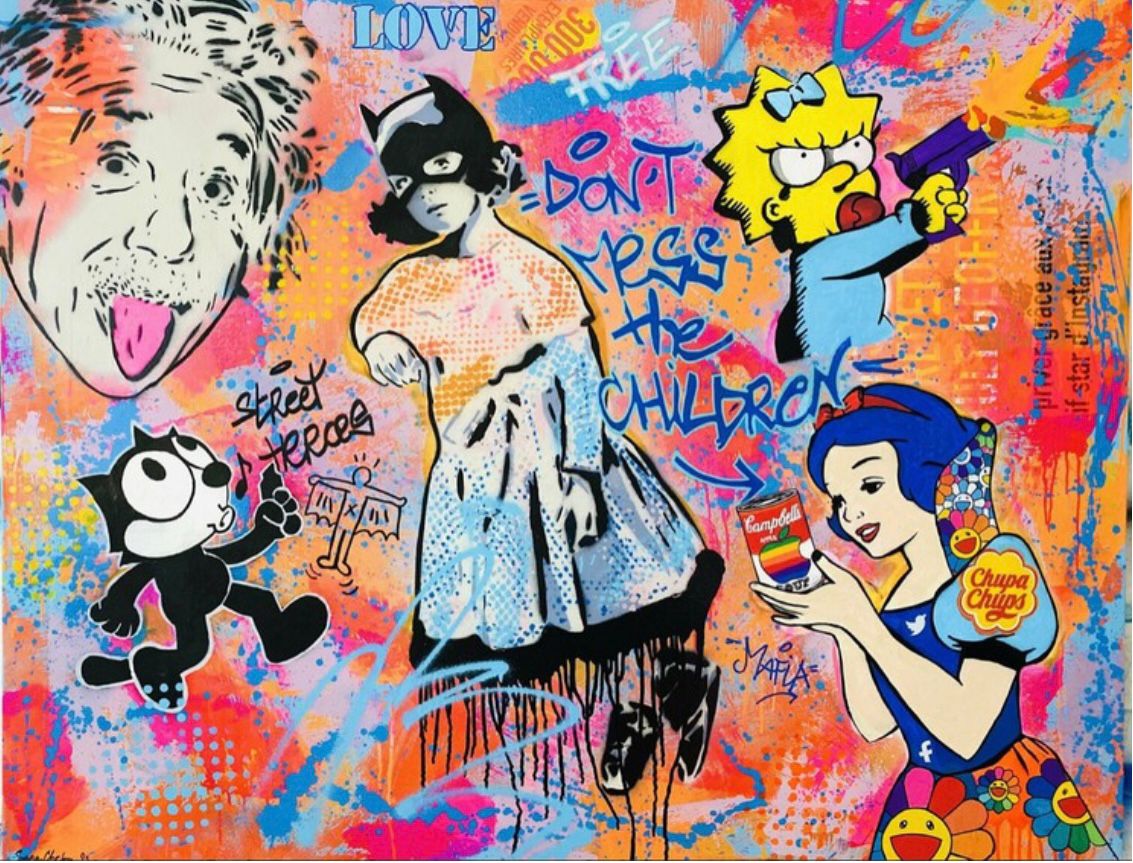
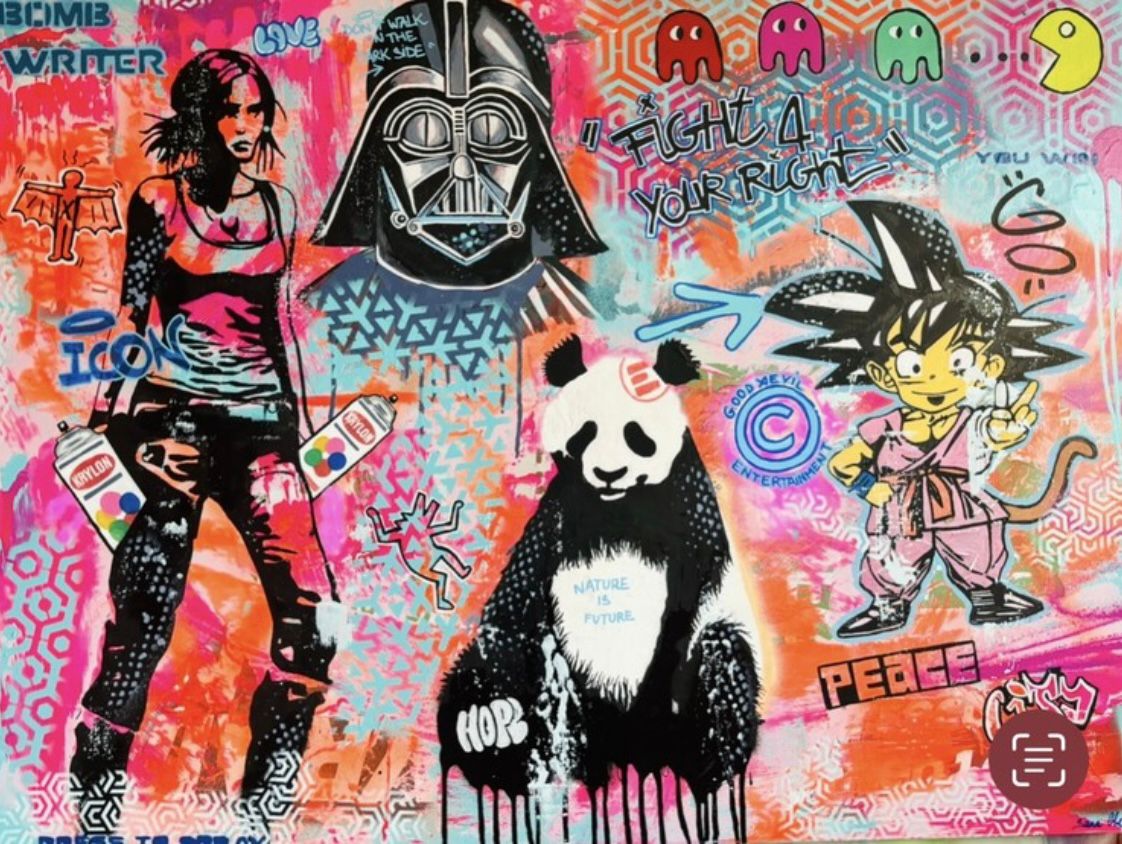
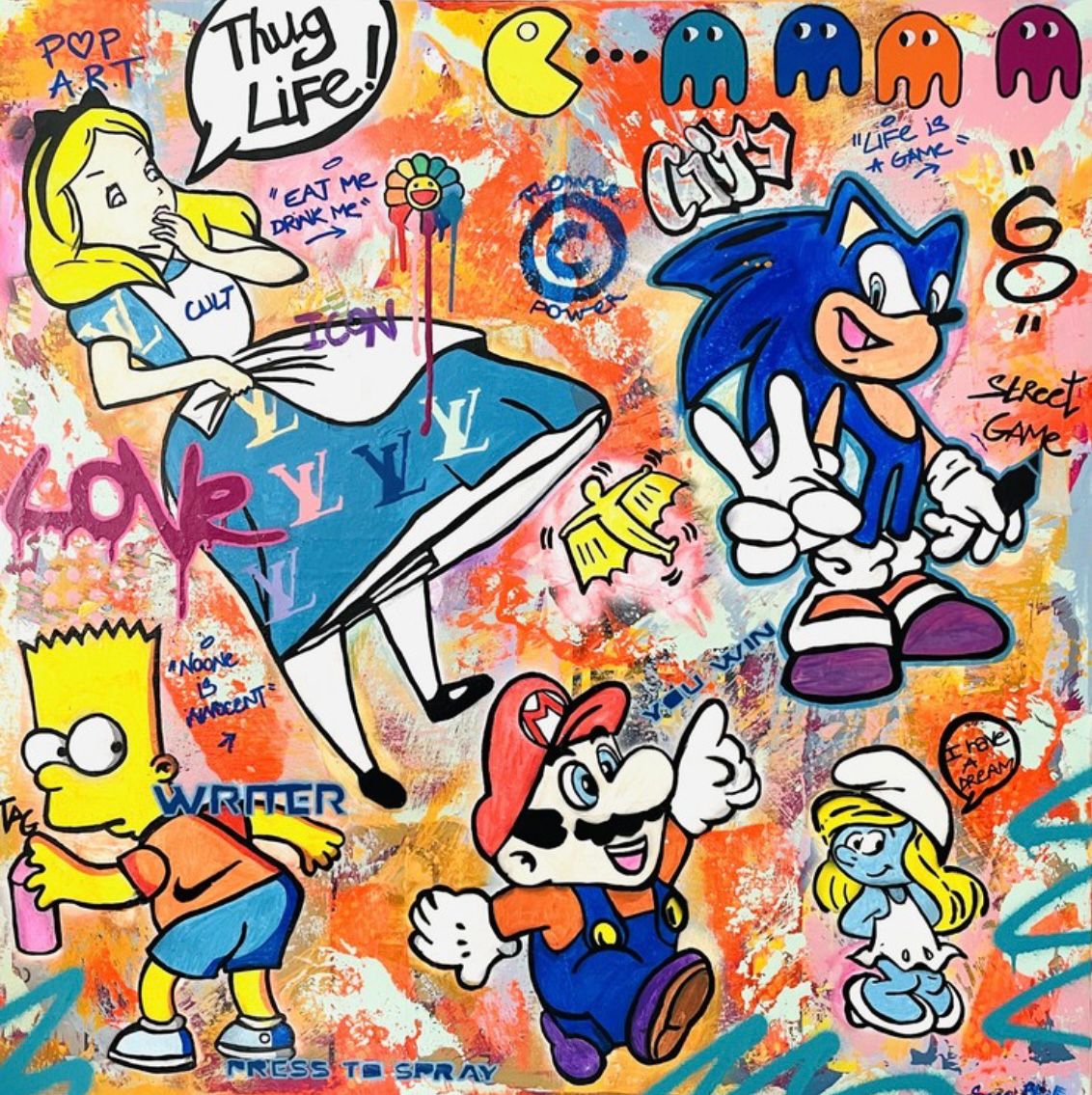
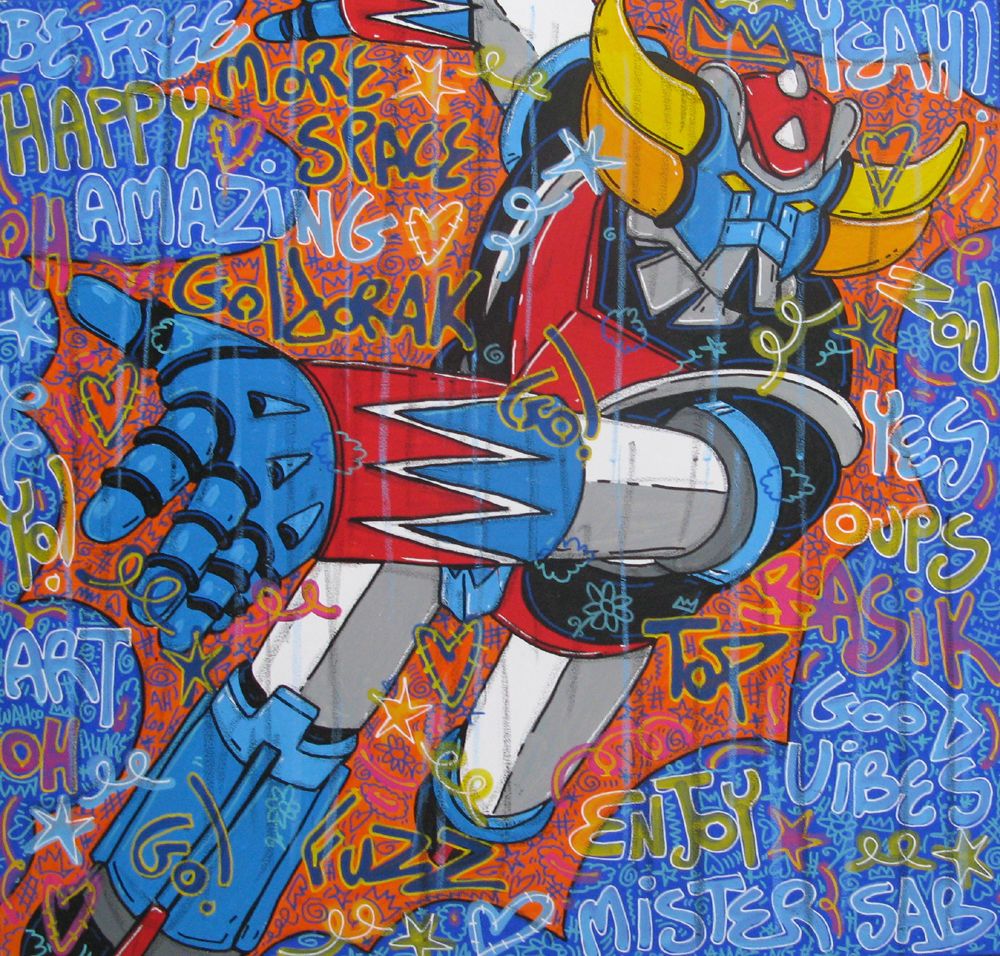
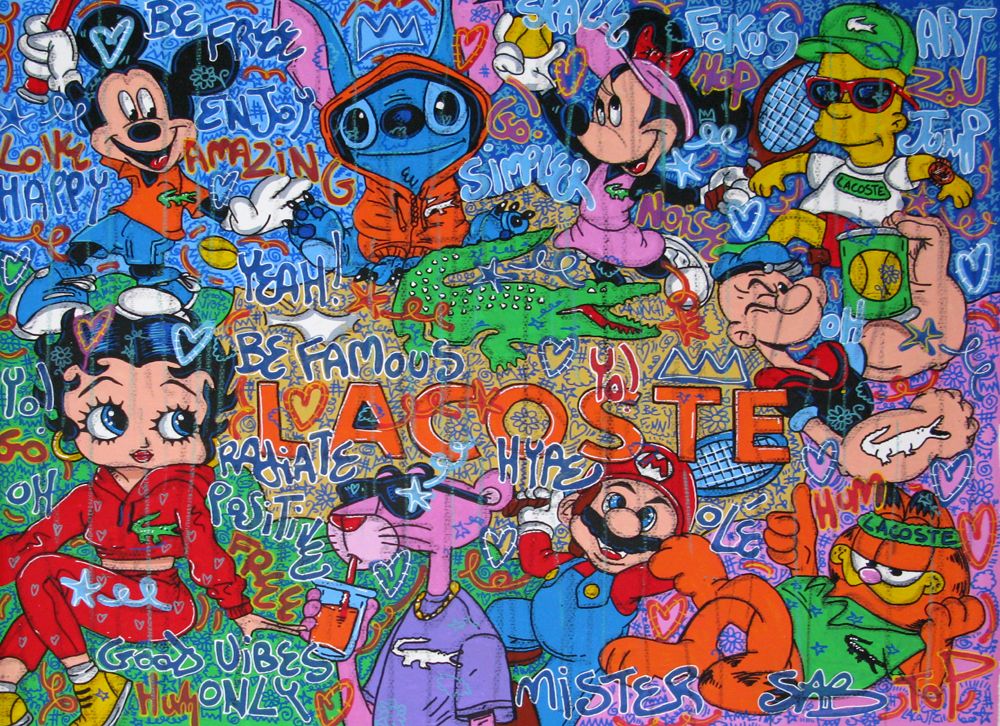
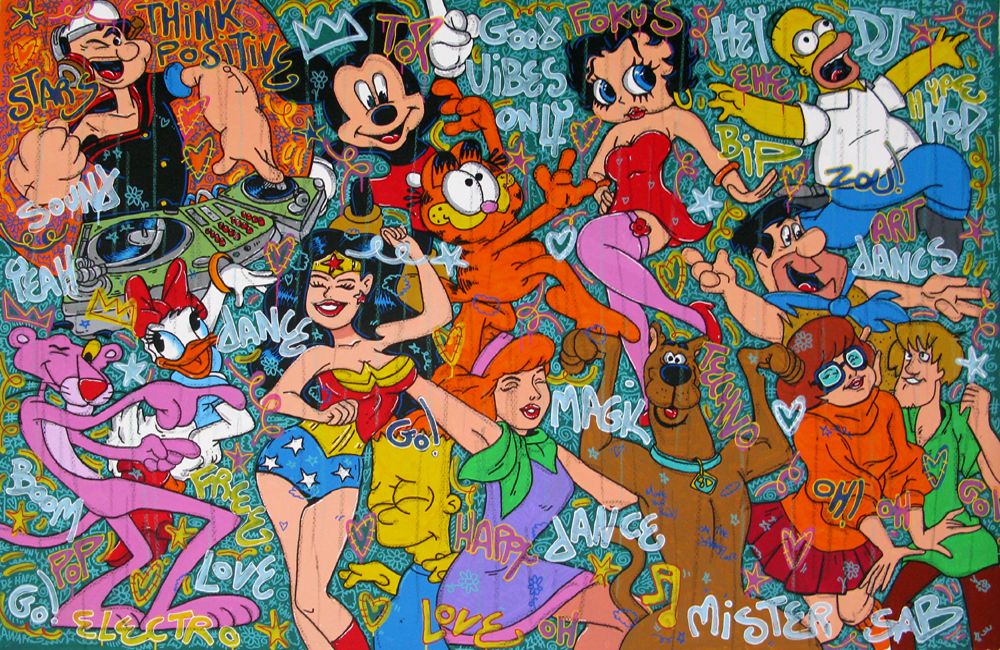
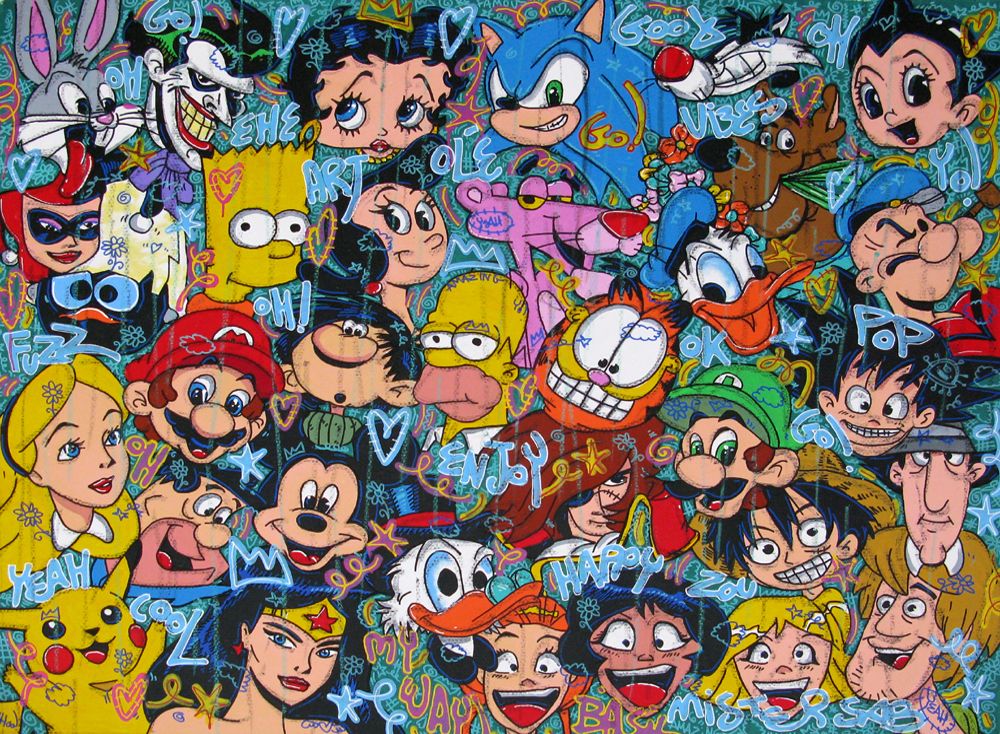
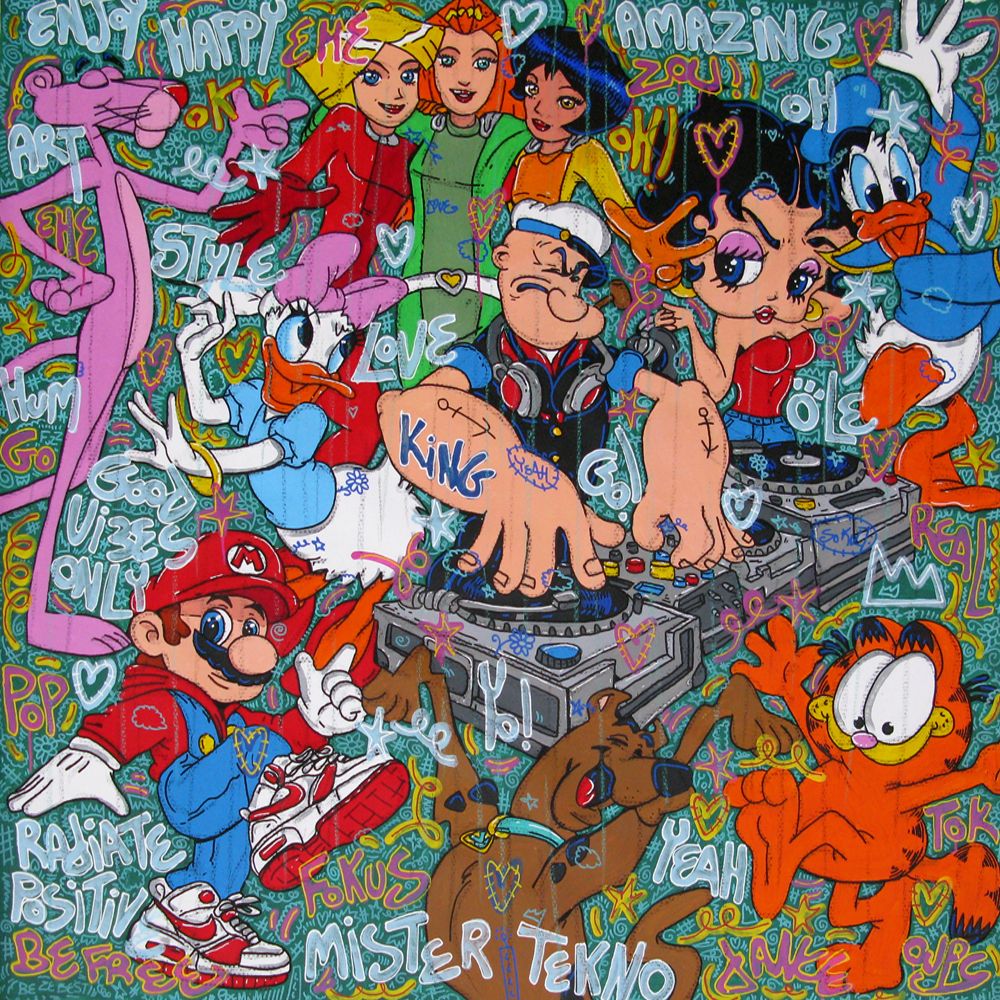
The very essence of Street Pop Art lies in the use of familiar images. Artists appropriate the symbols that shape our daily environment to divert them, reinterpret them, or give them new meaning.
This approach allows the viewer to immediately establish a connection with the work. Everyone can recognize a cultural reference, an emblematic brand, a famous personality, or a popular character. This proximity largely contributes to the success of Street Pop Art with both the general public and contemporary art collectors.
Artists of this movement draw their inspiration from:
* advertising;
* cinema;
* television;
* social media;
* music;
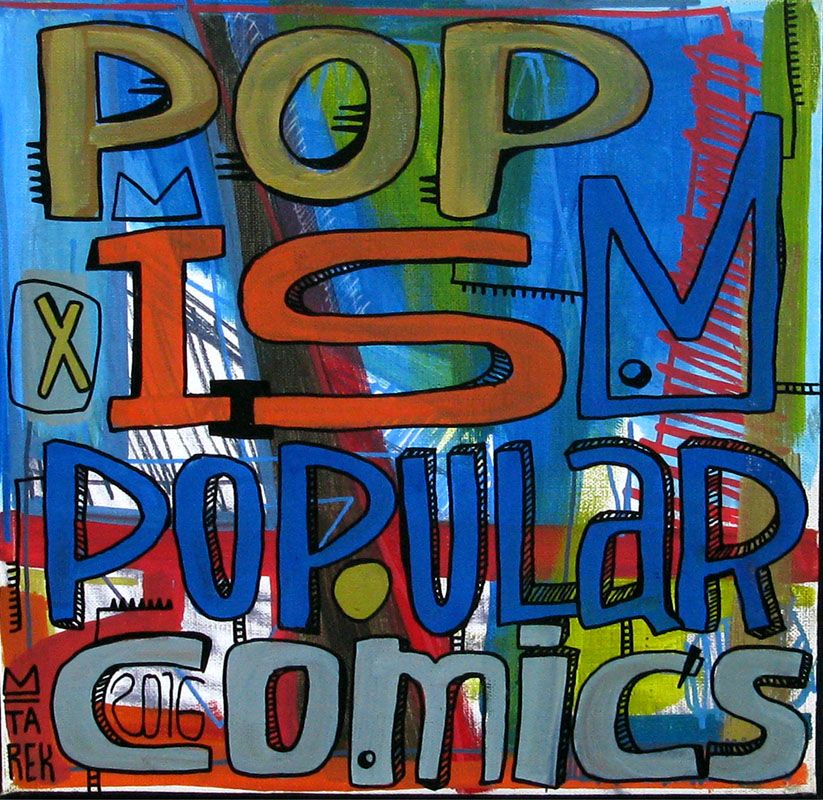
* comic books;
* iconic brands;
* contemporary urban culture.
## An Explosion of Color and Energy
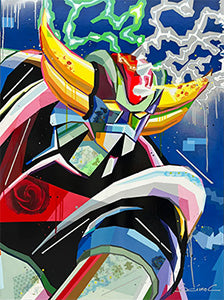
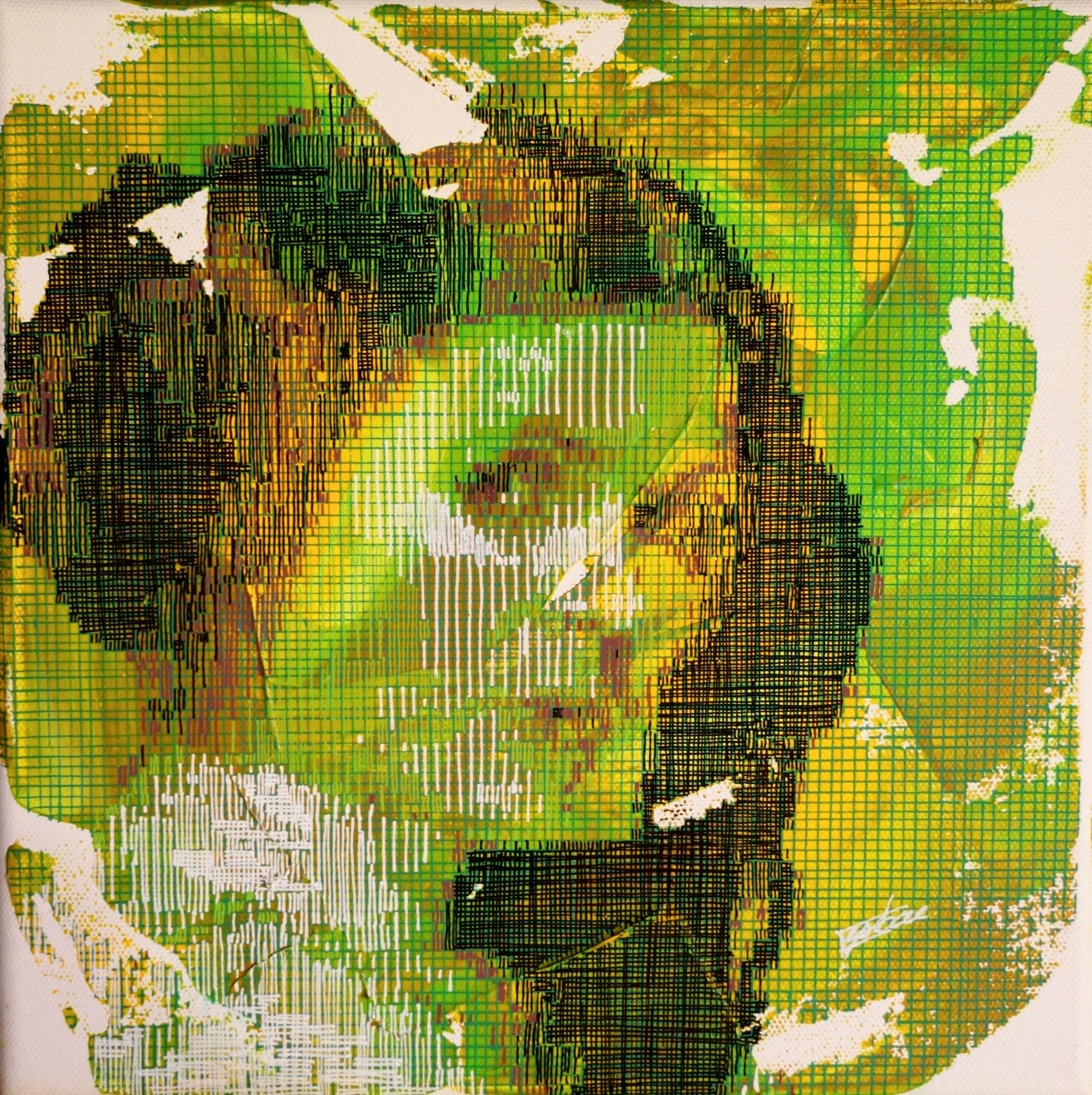
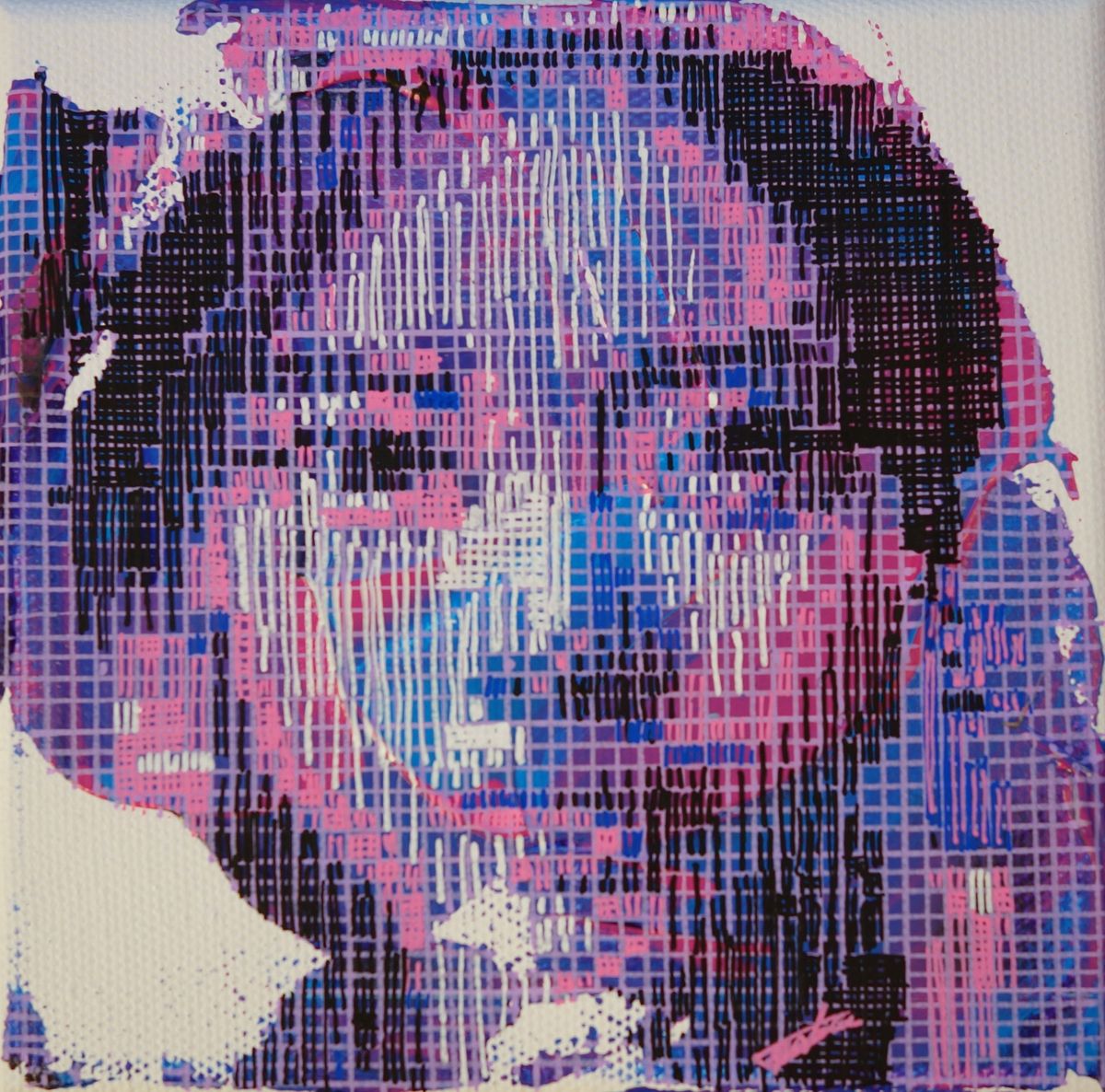
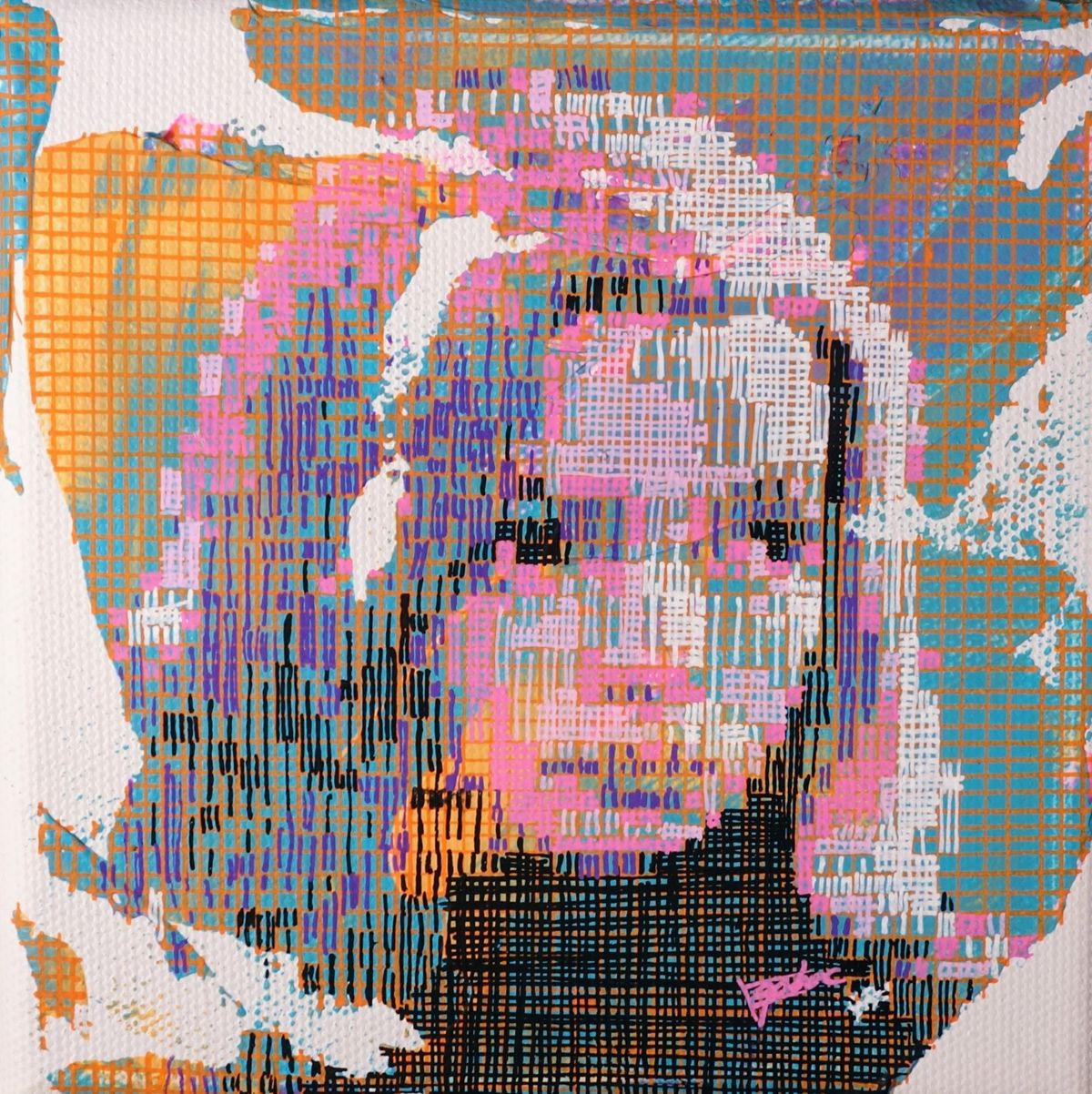
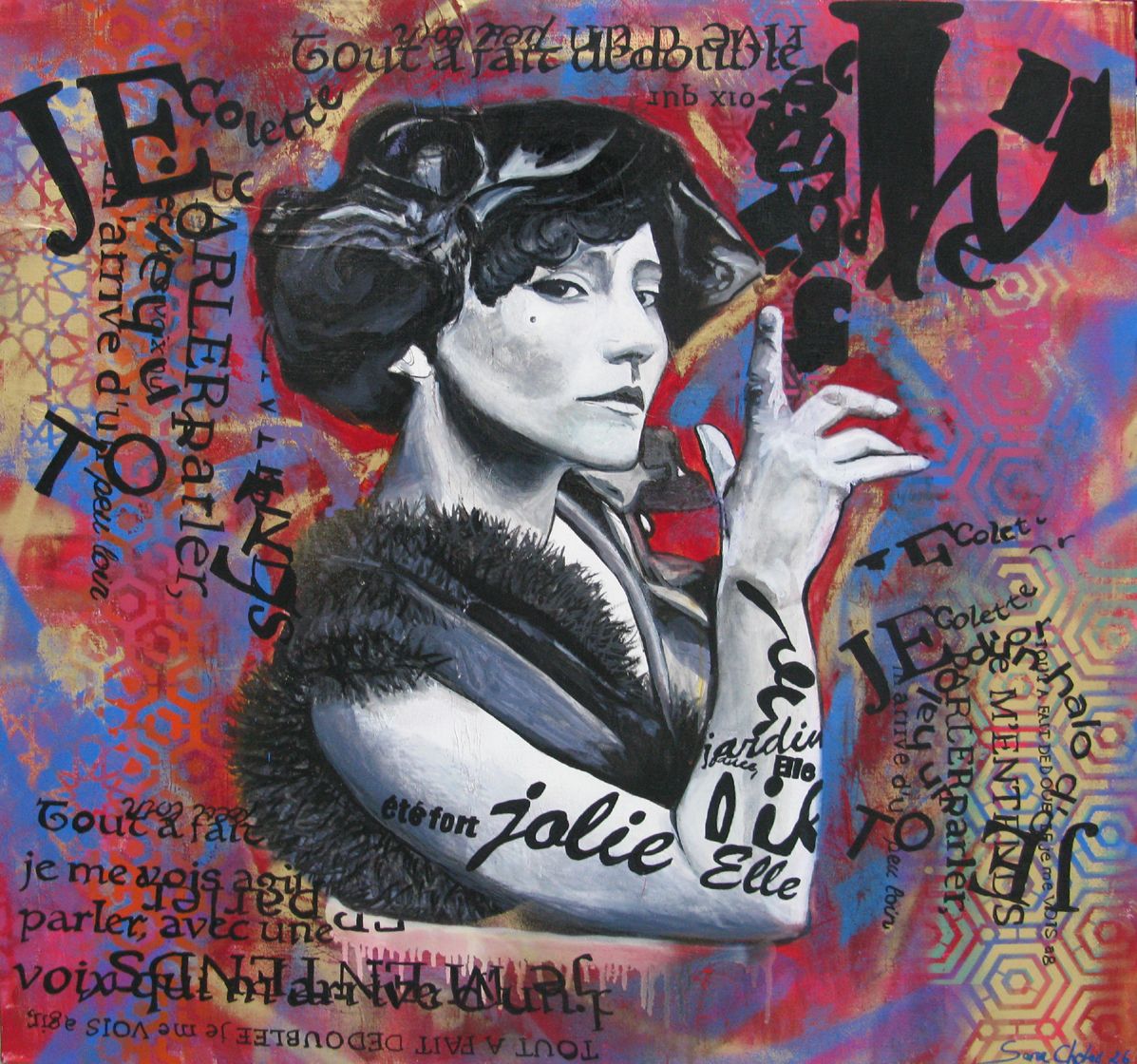
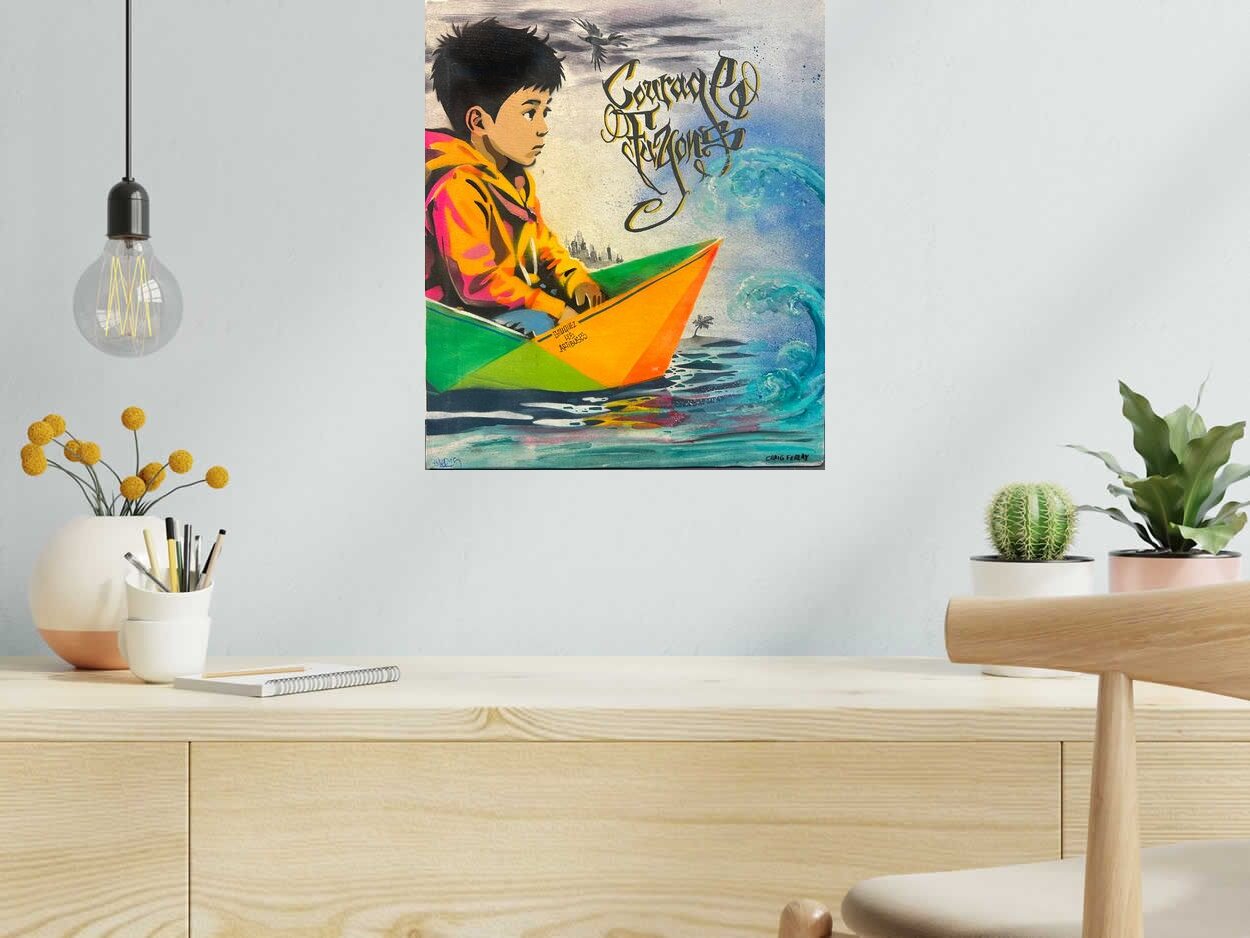
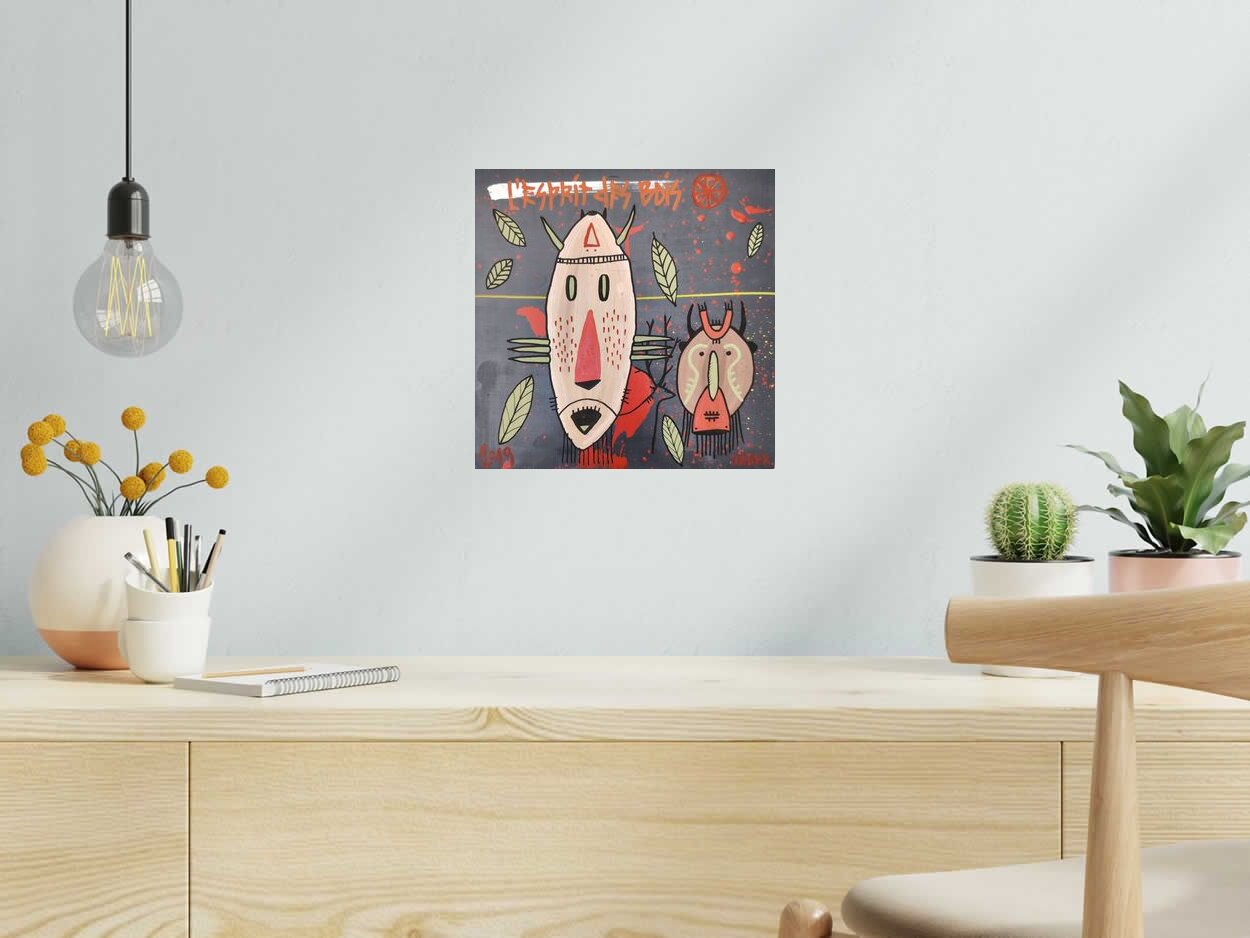
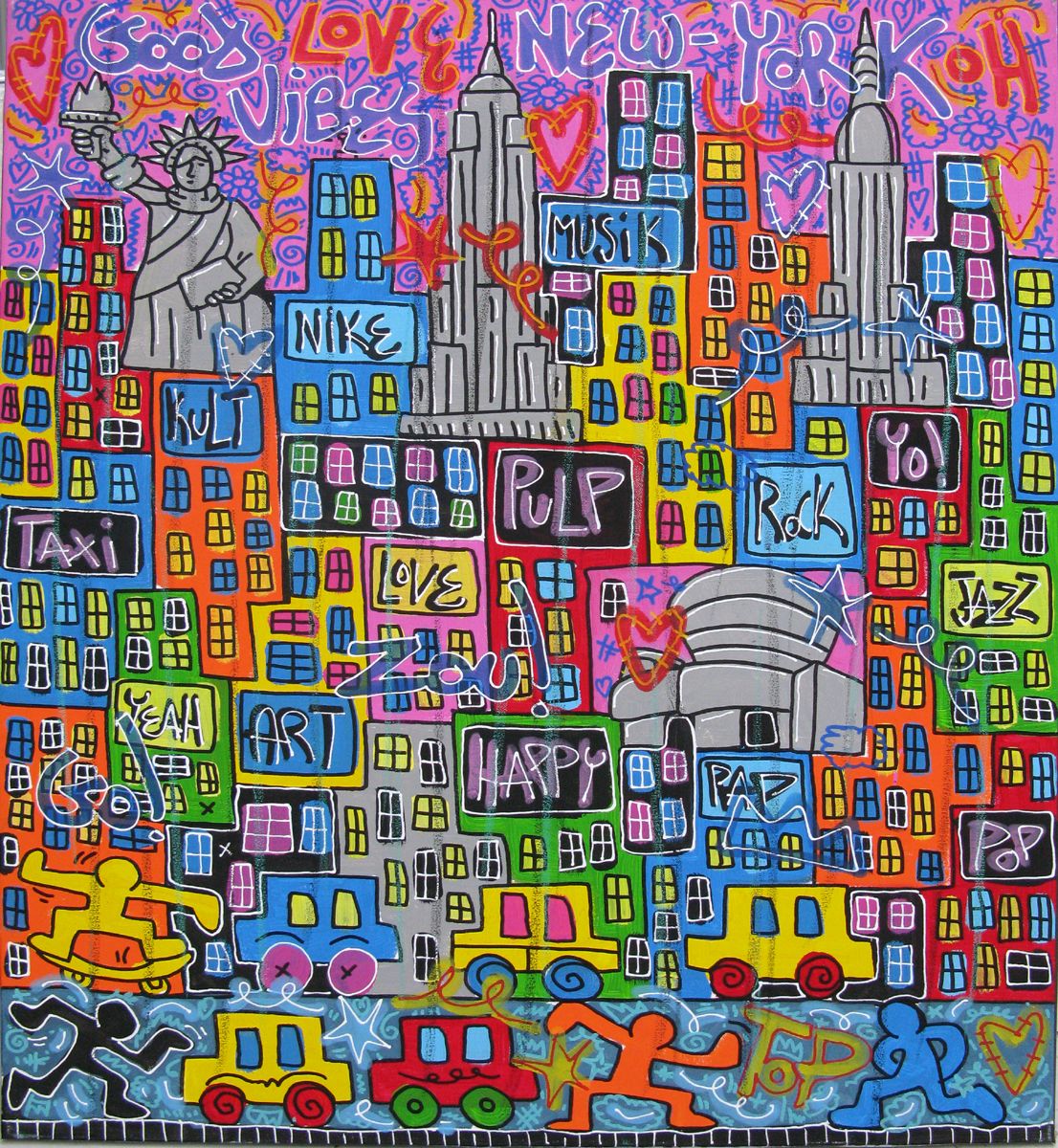
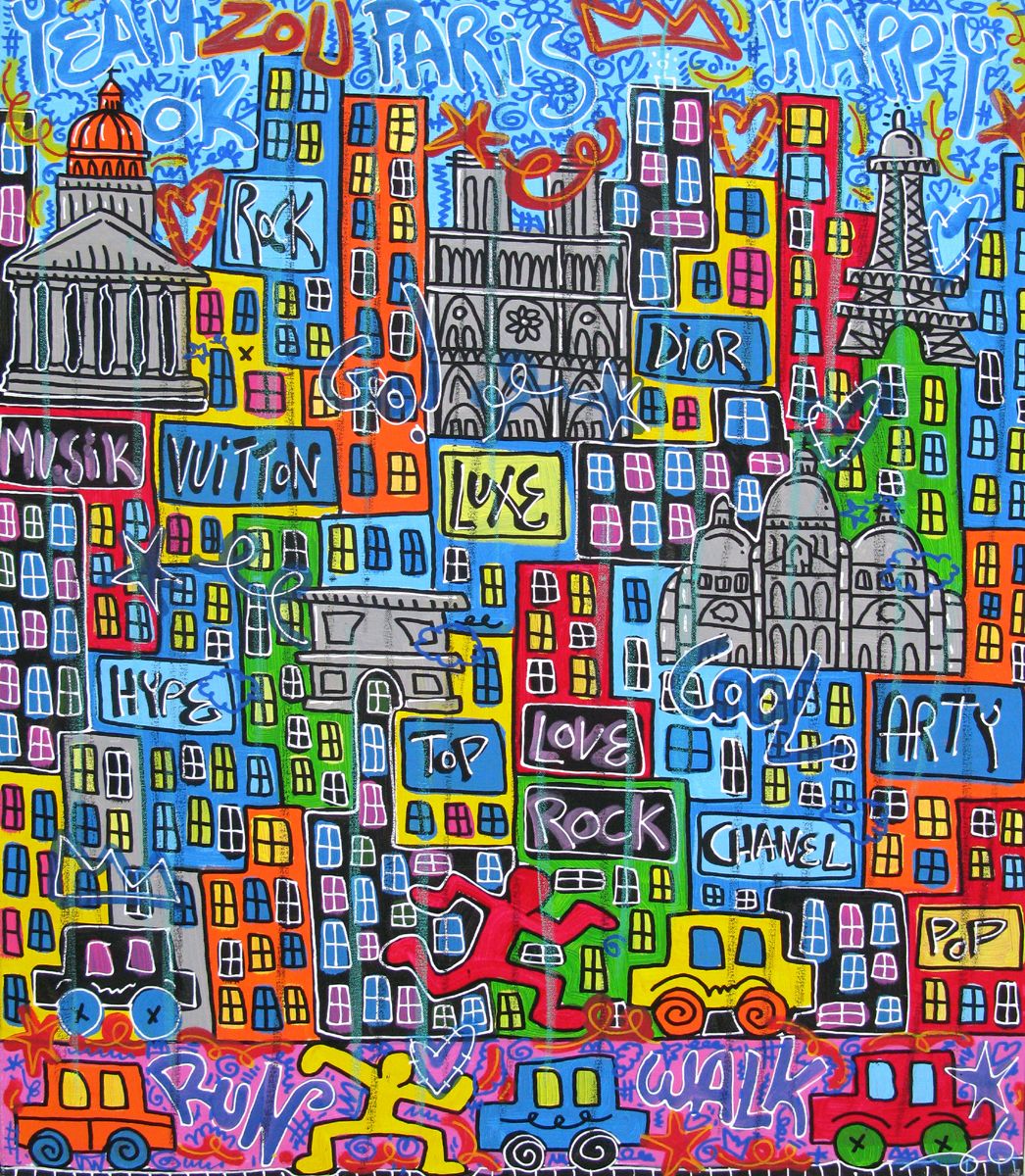
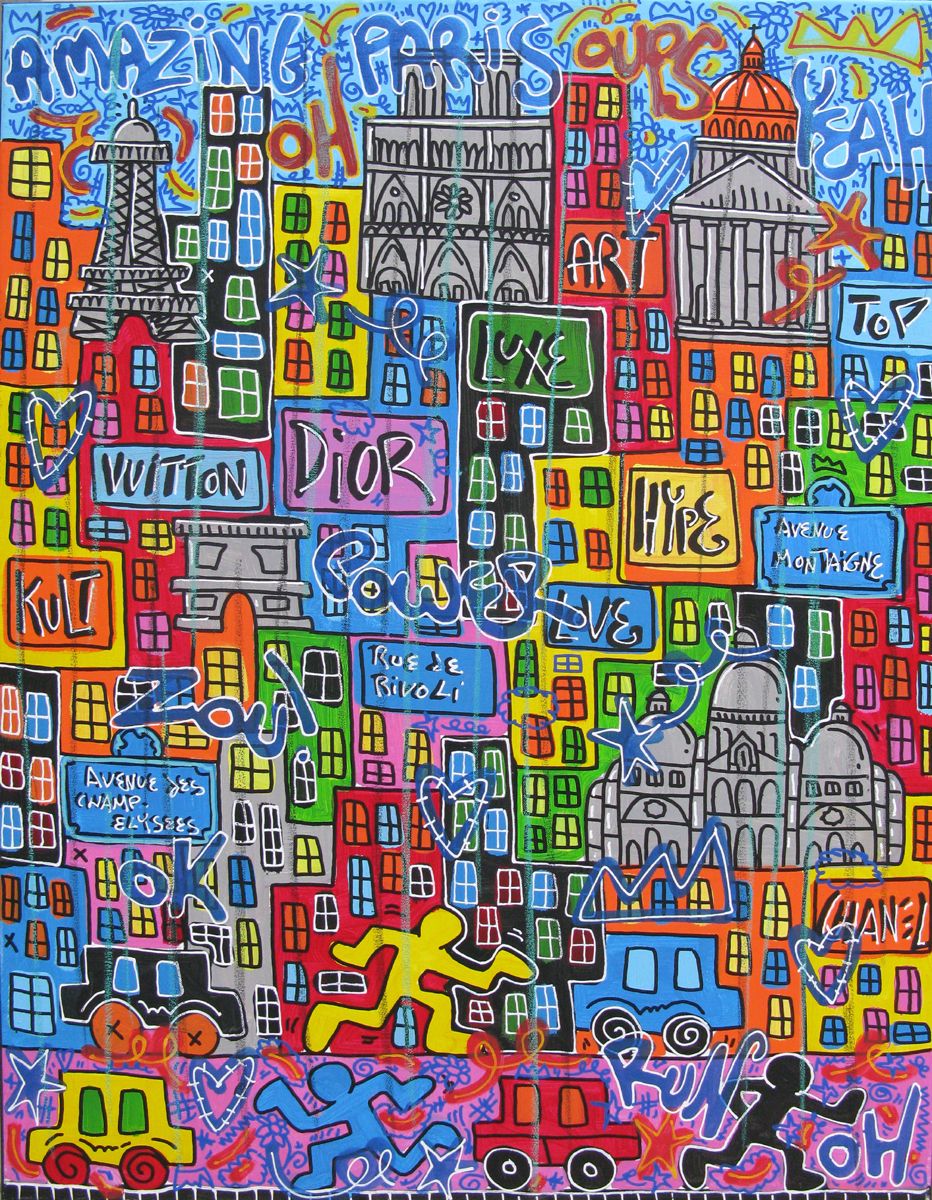
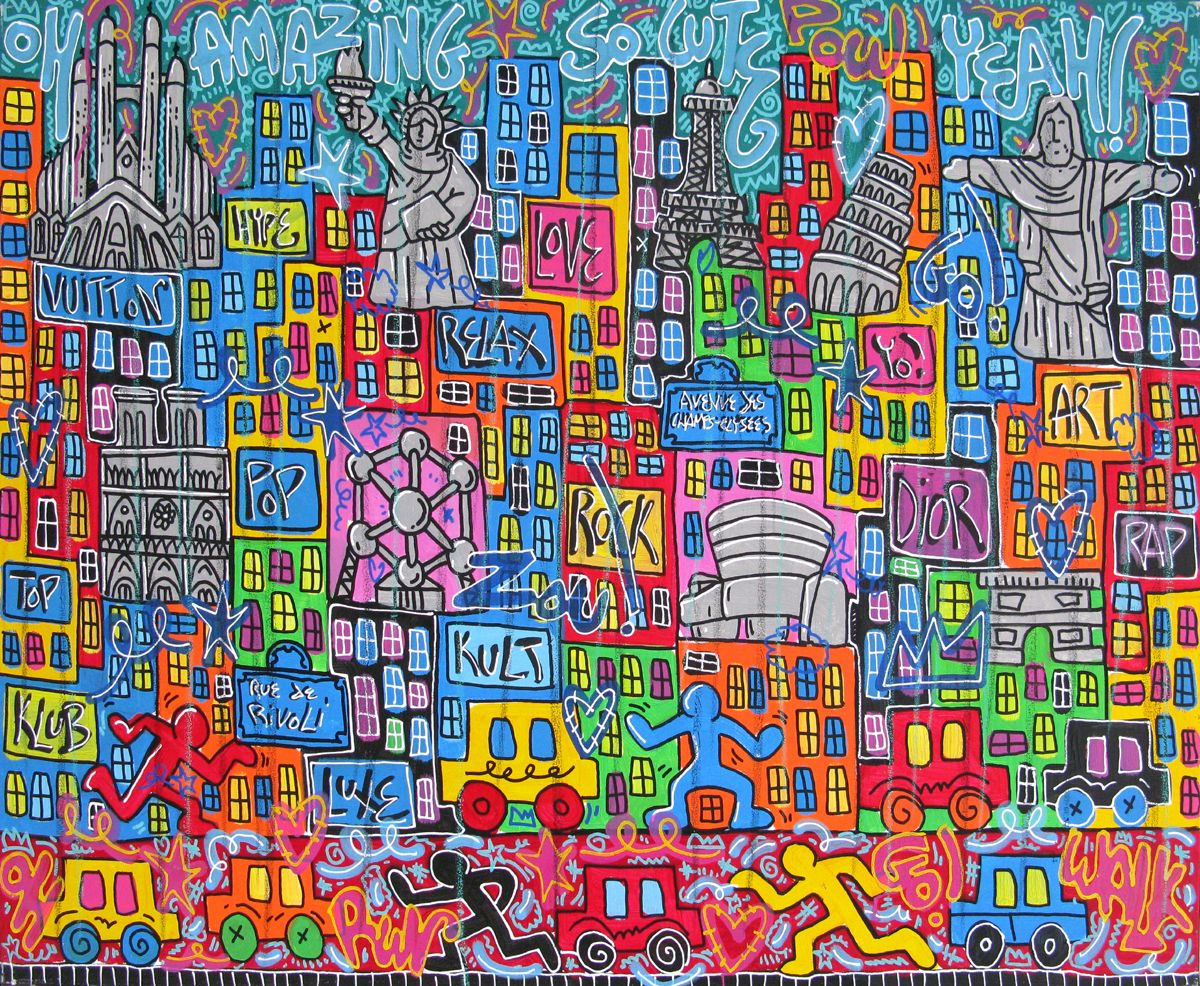
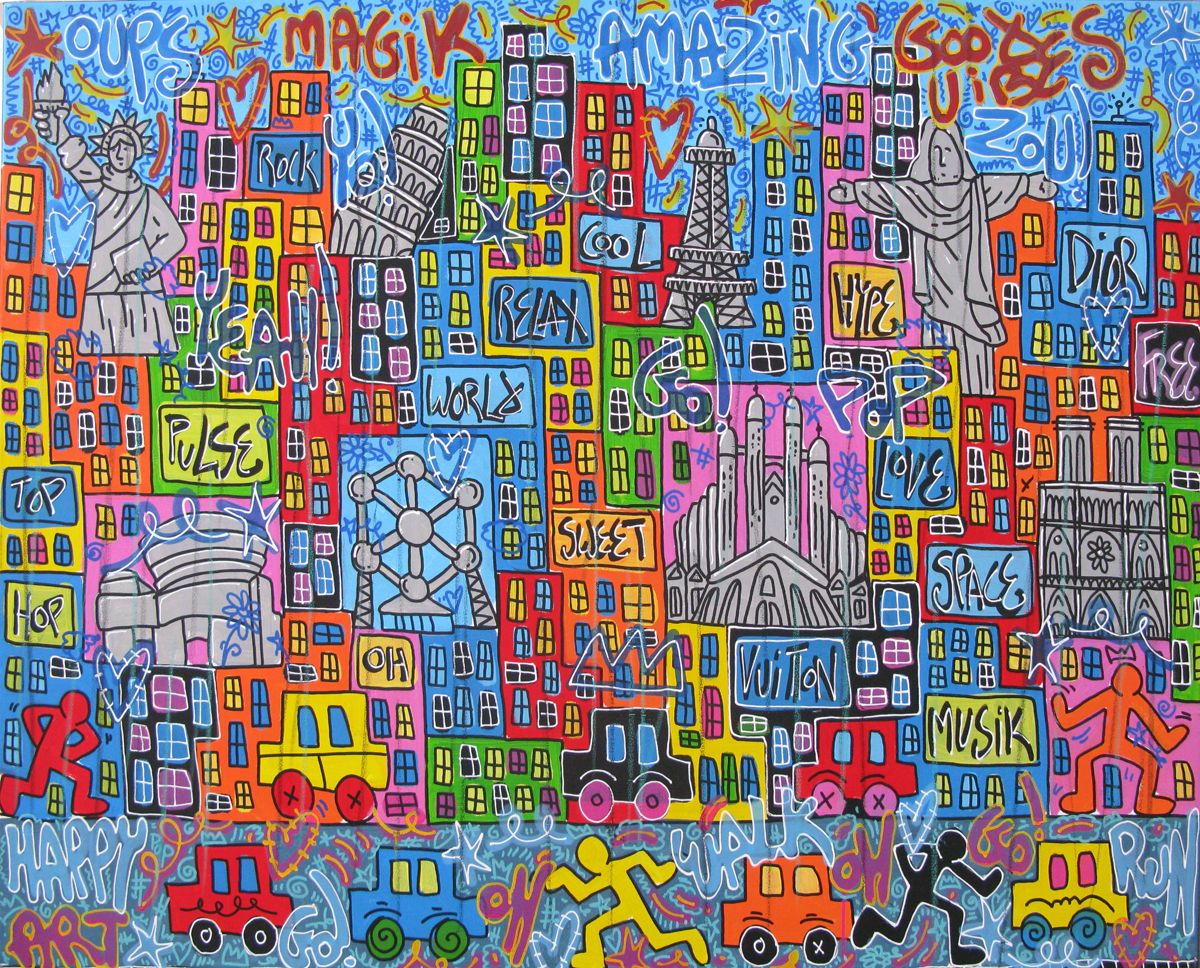
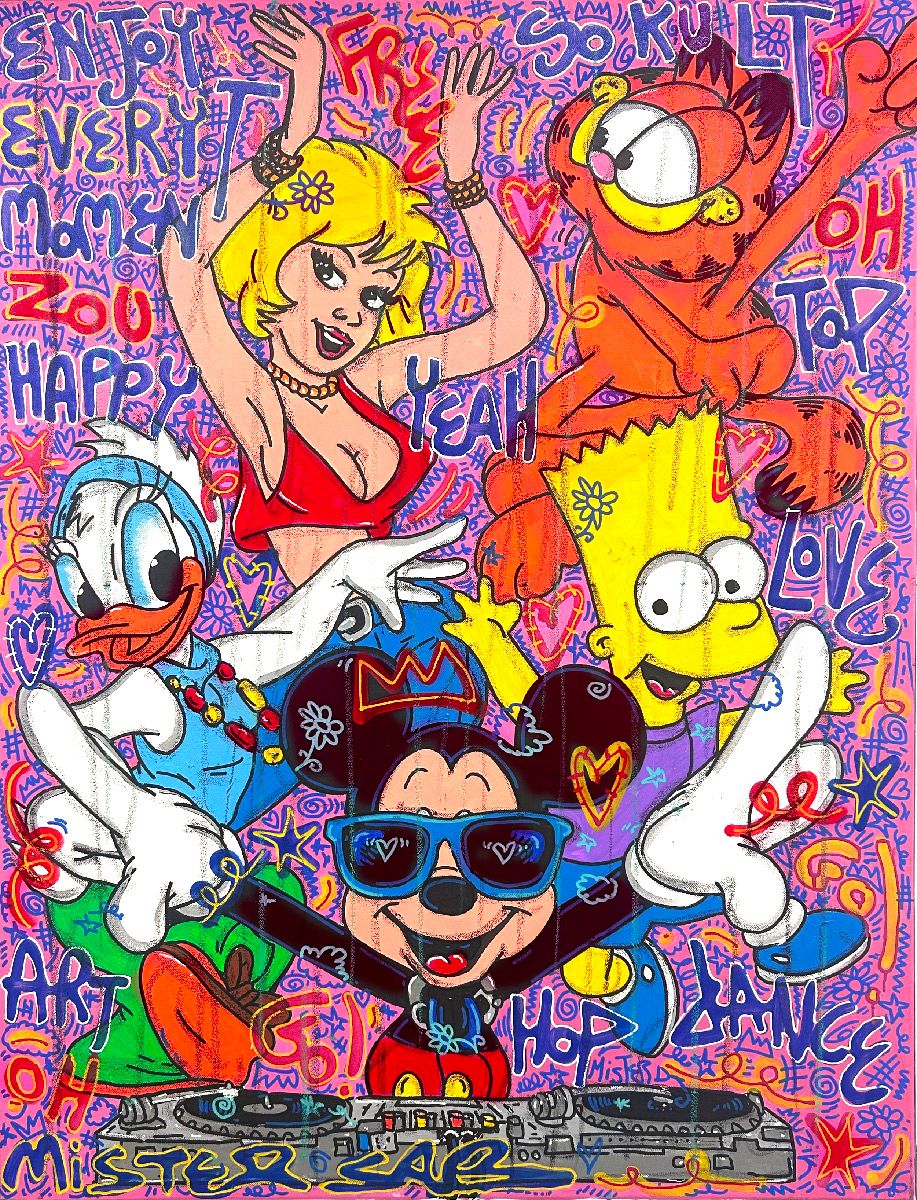
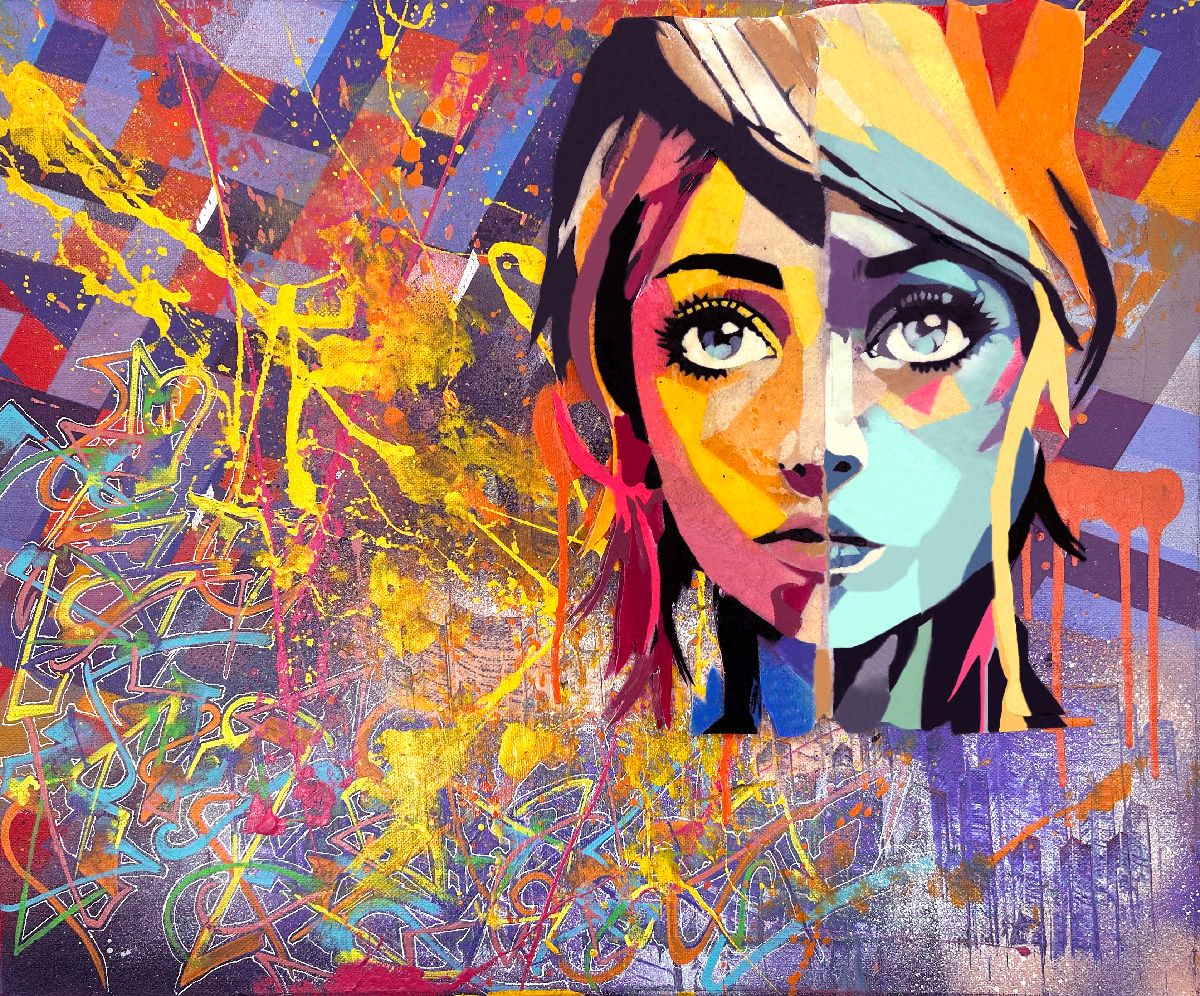
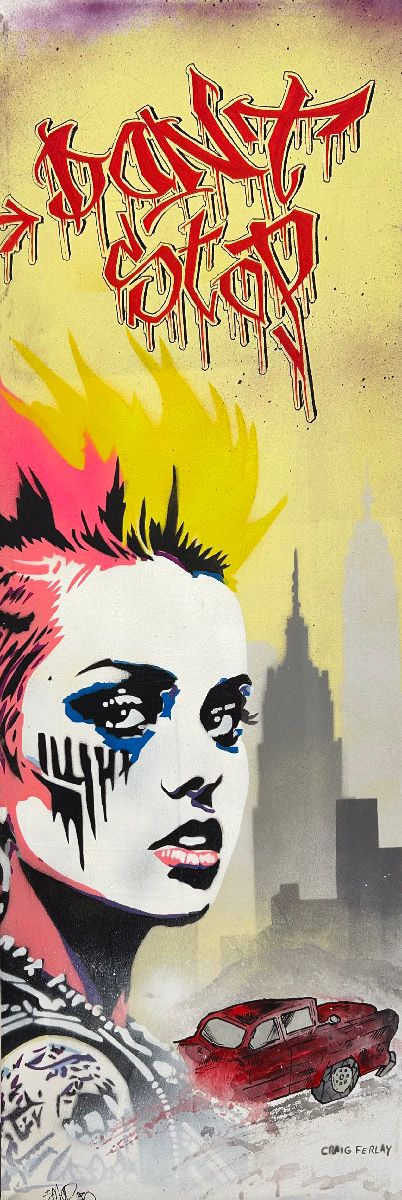
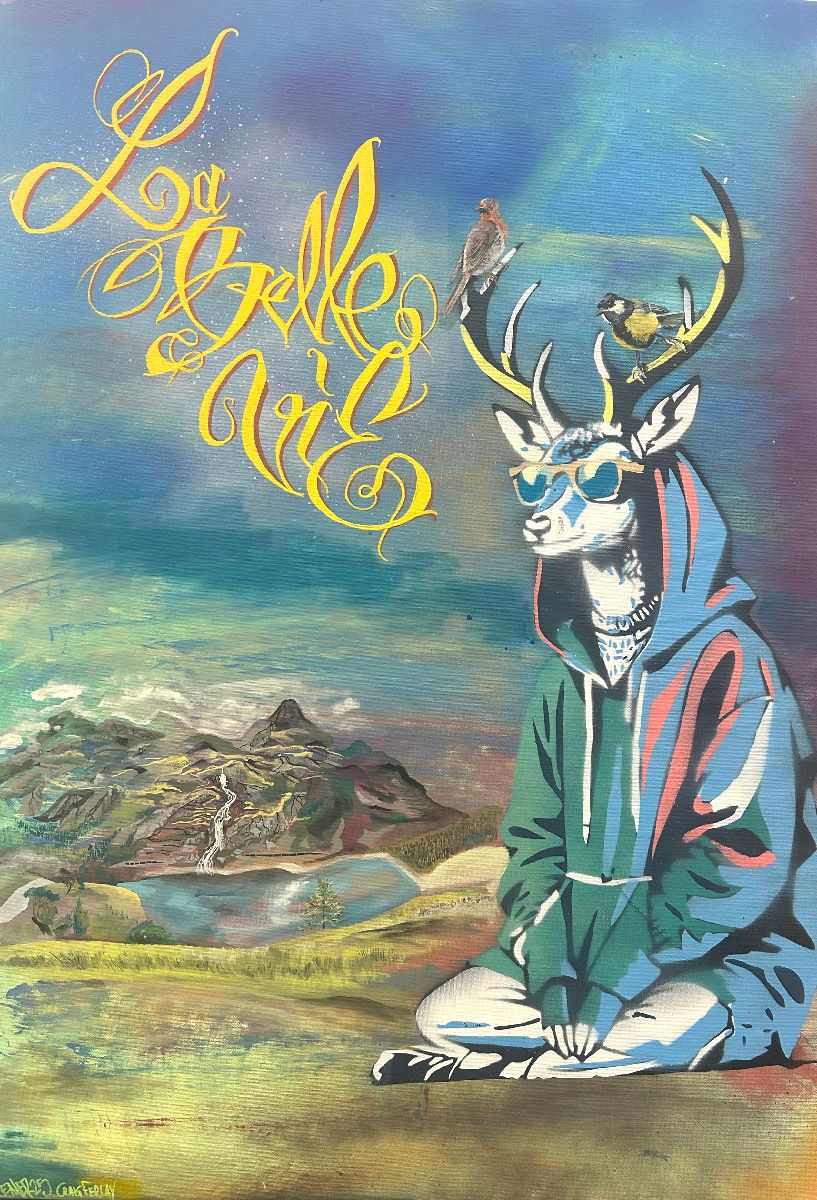
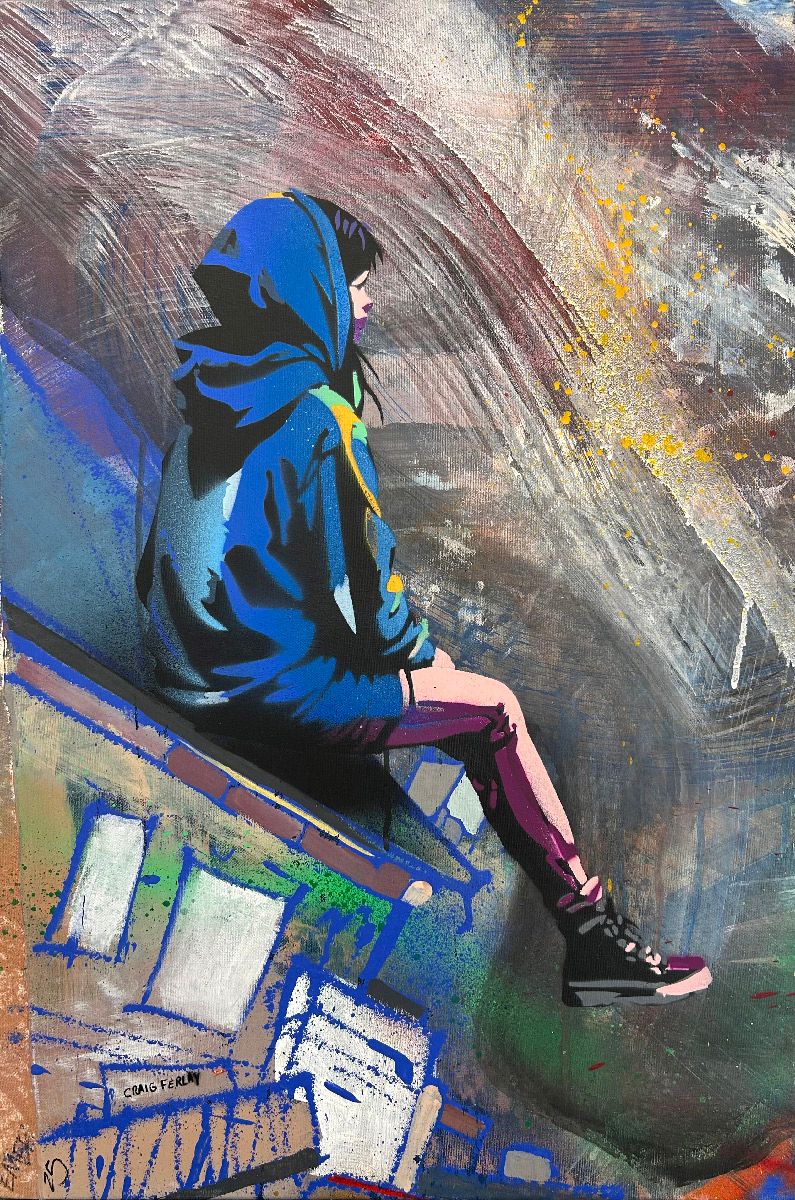
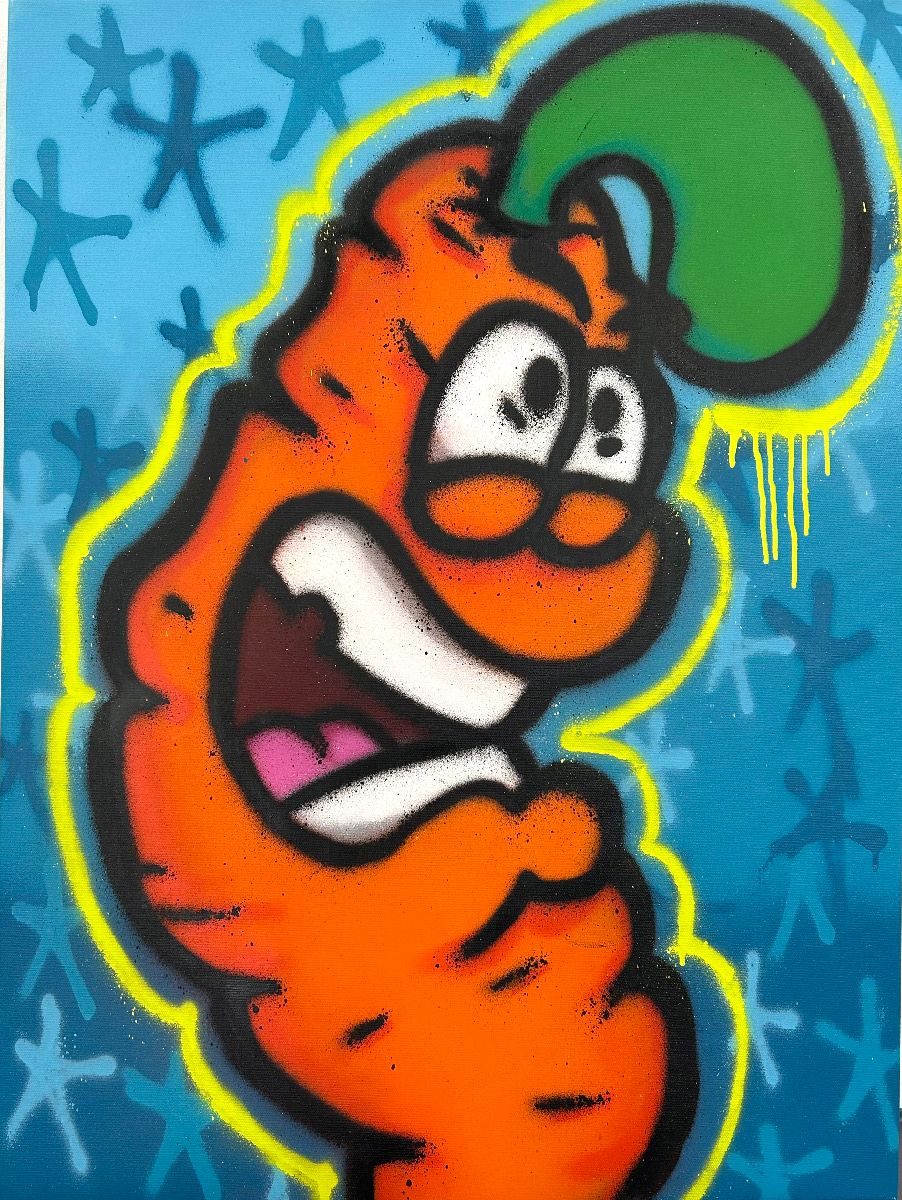
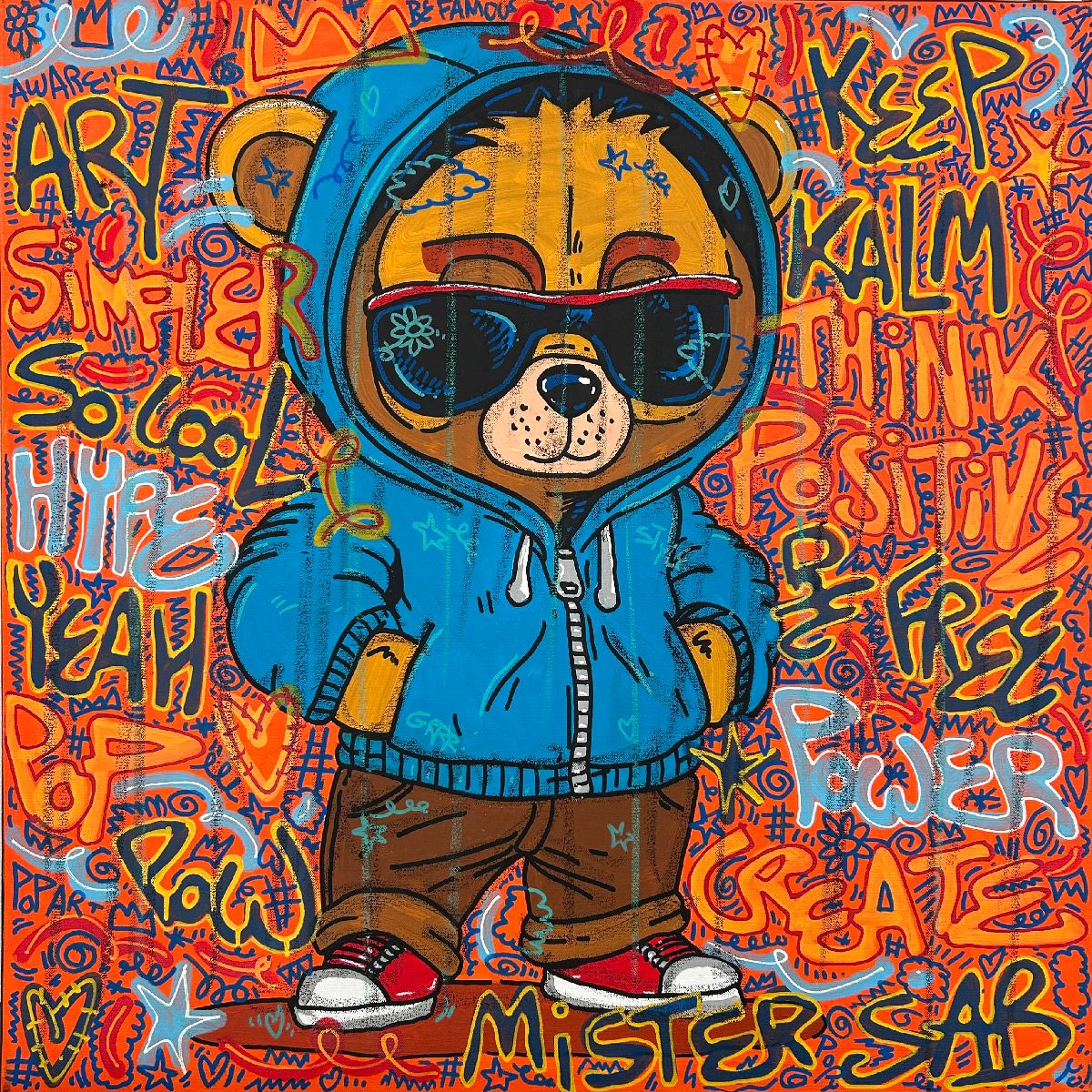
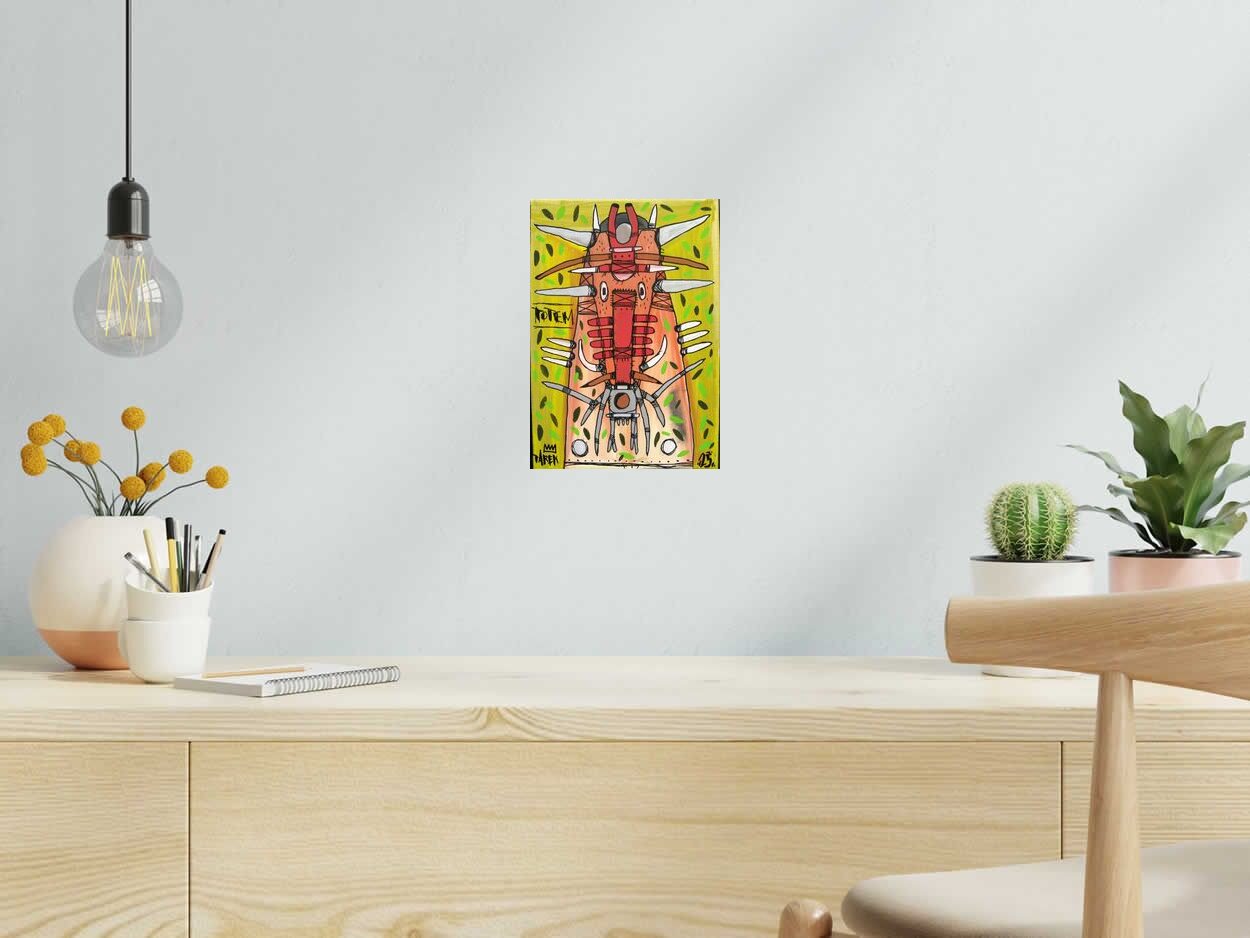
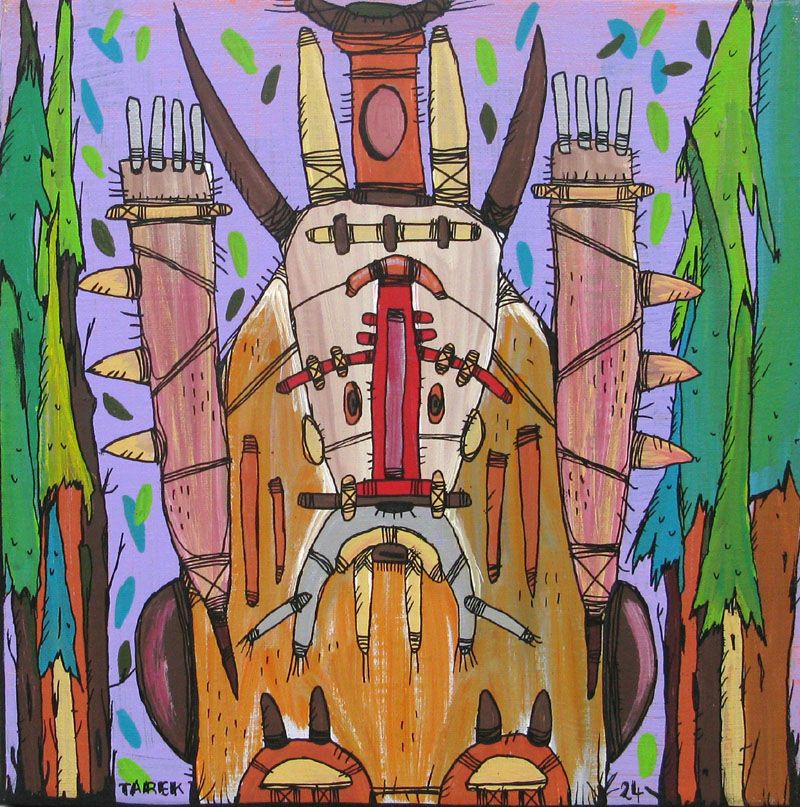
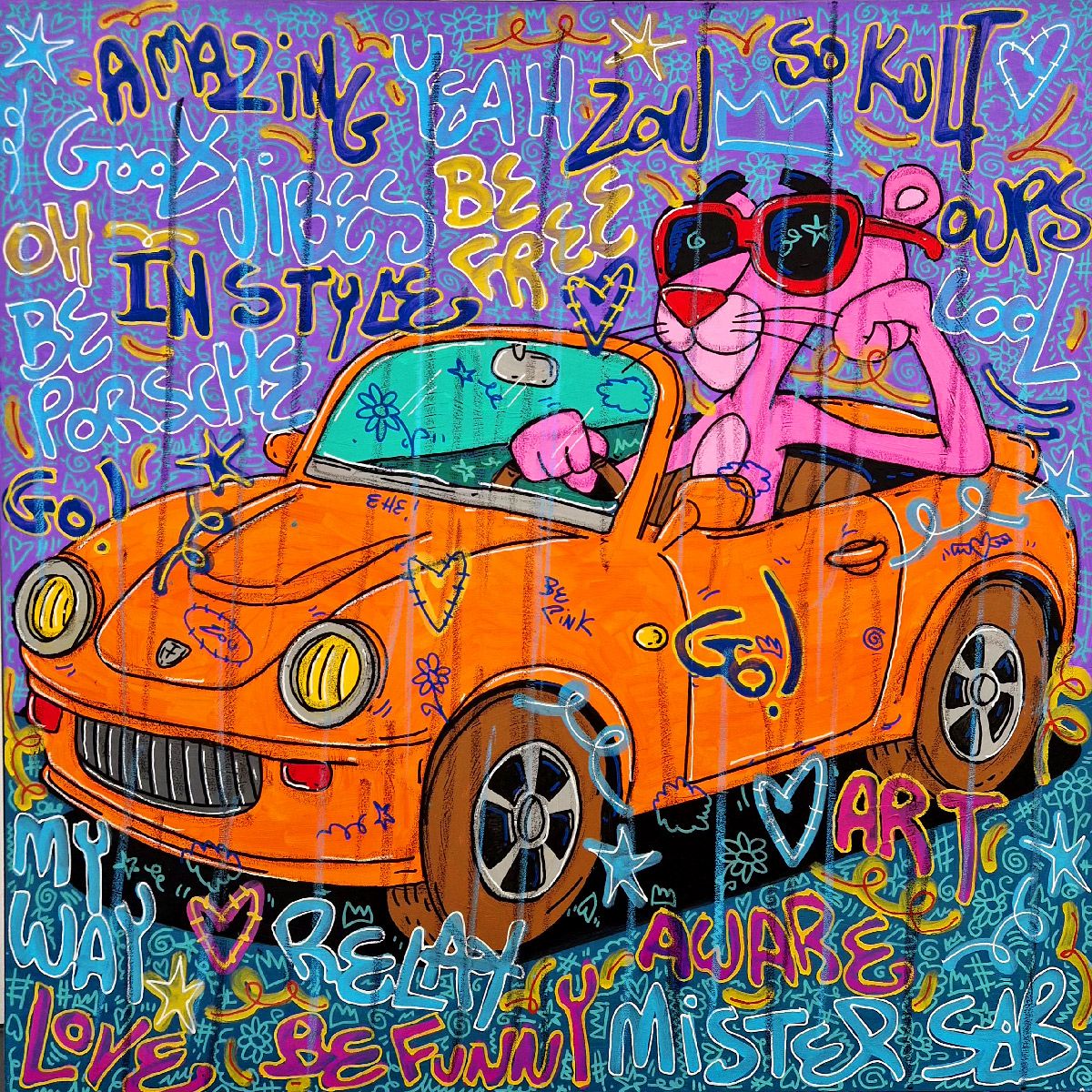
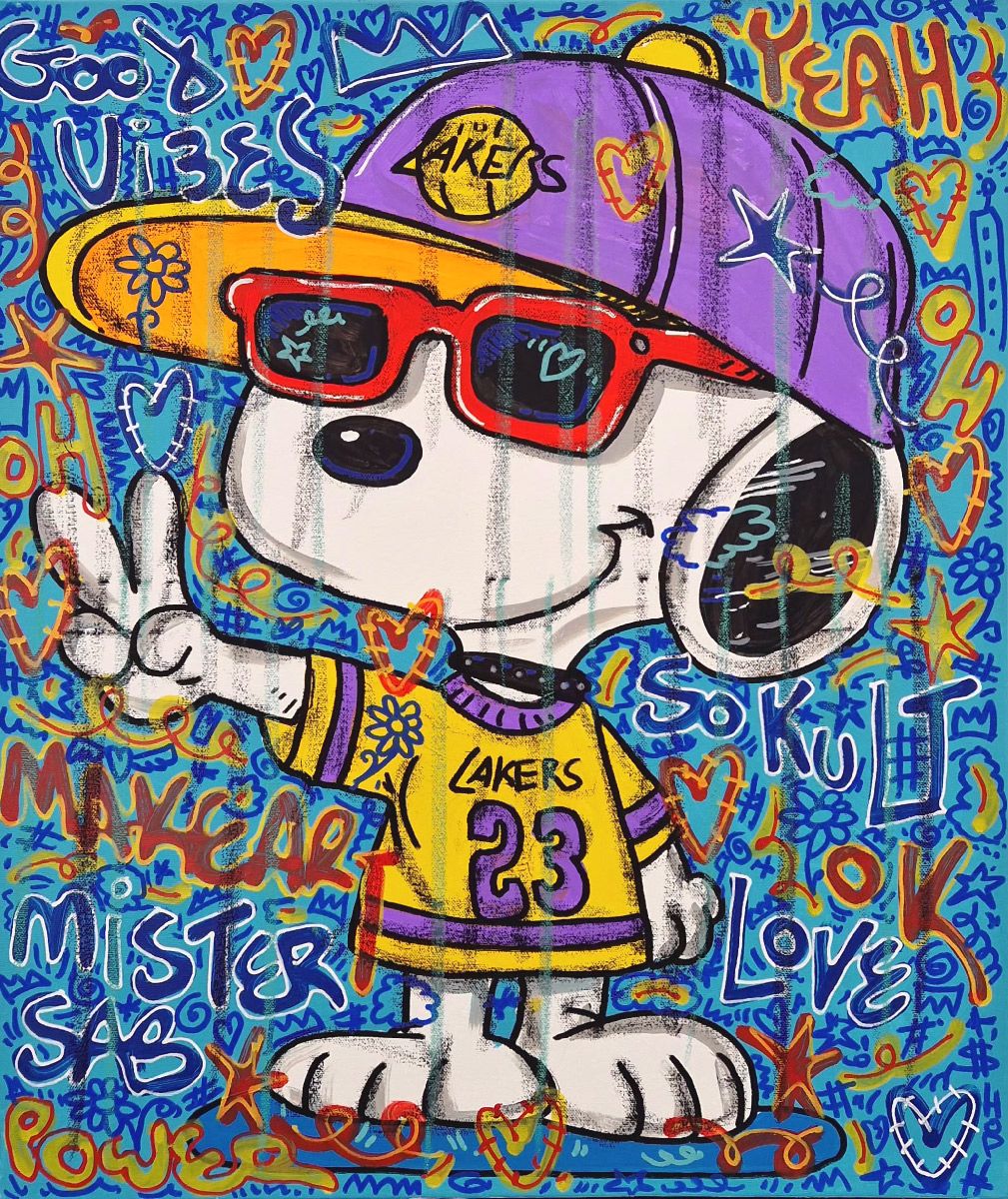
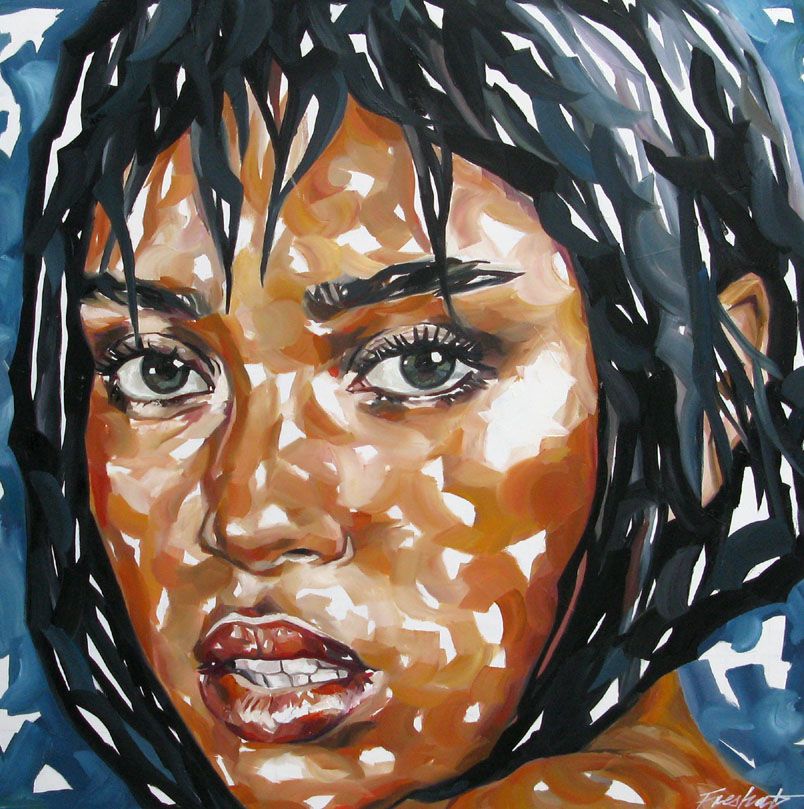
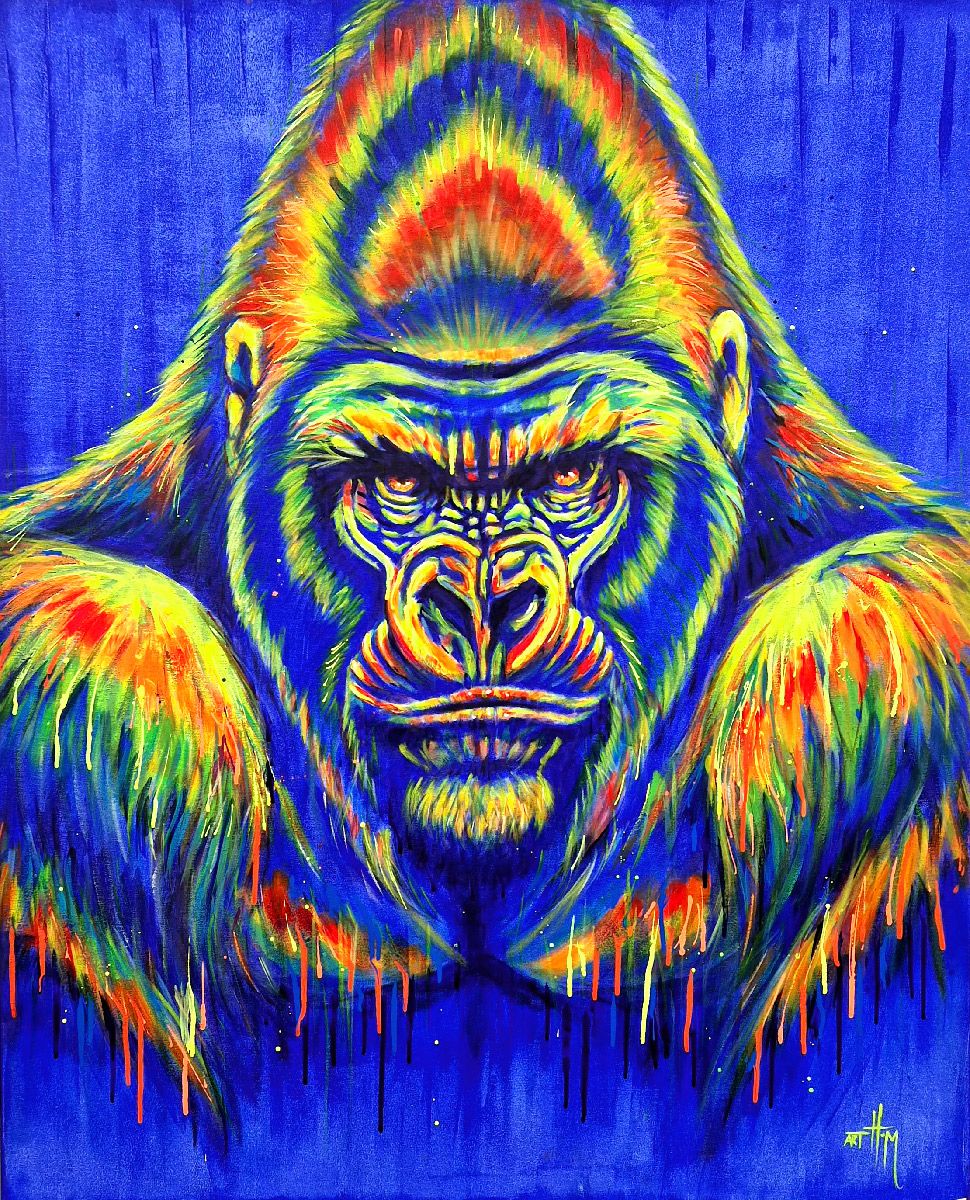
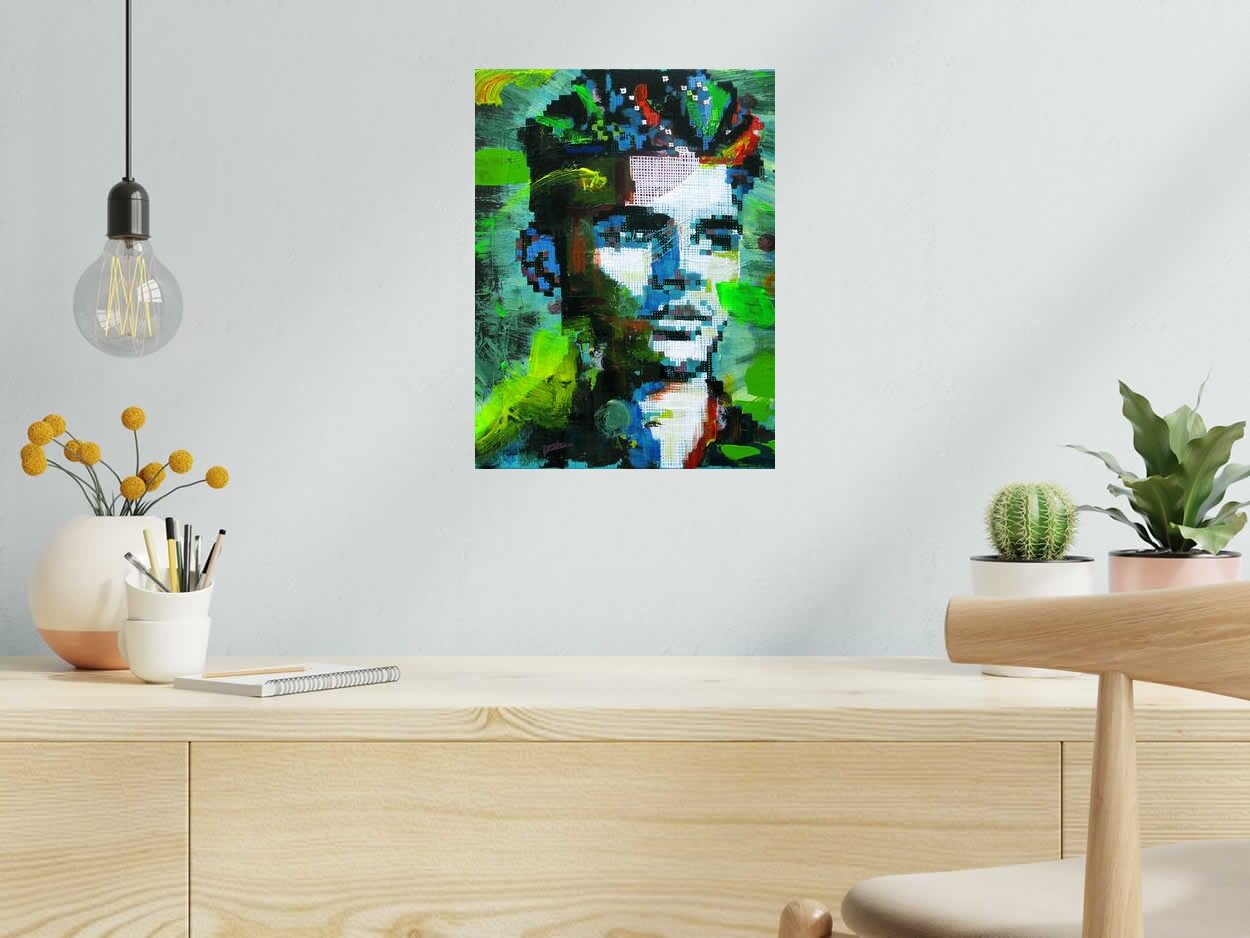
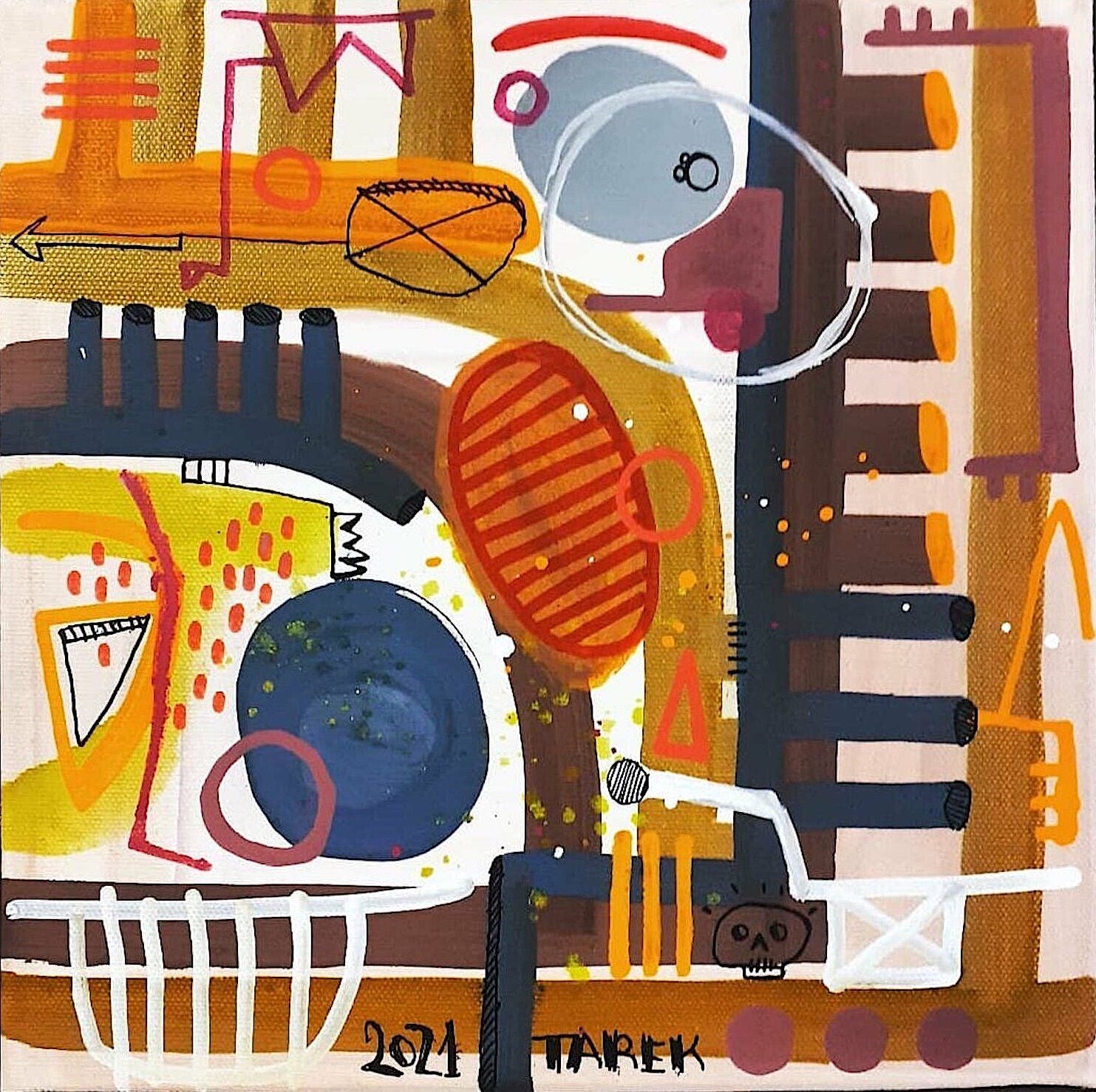
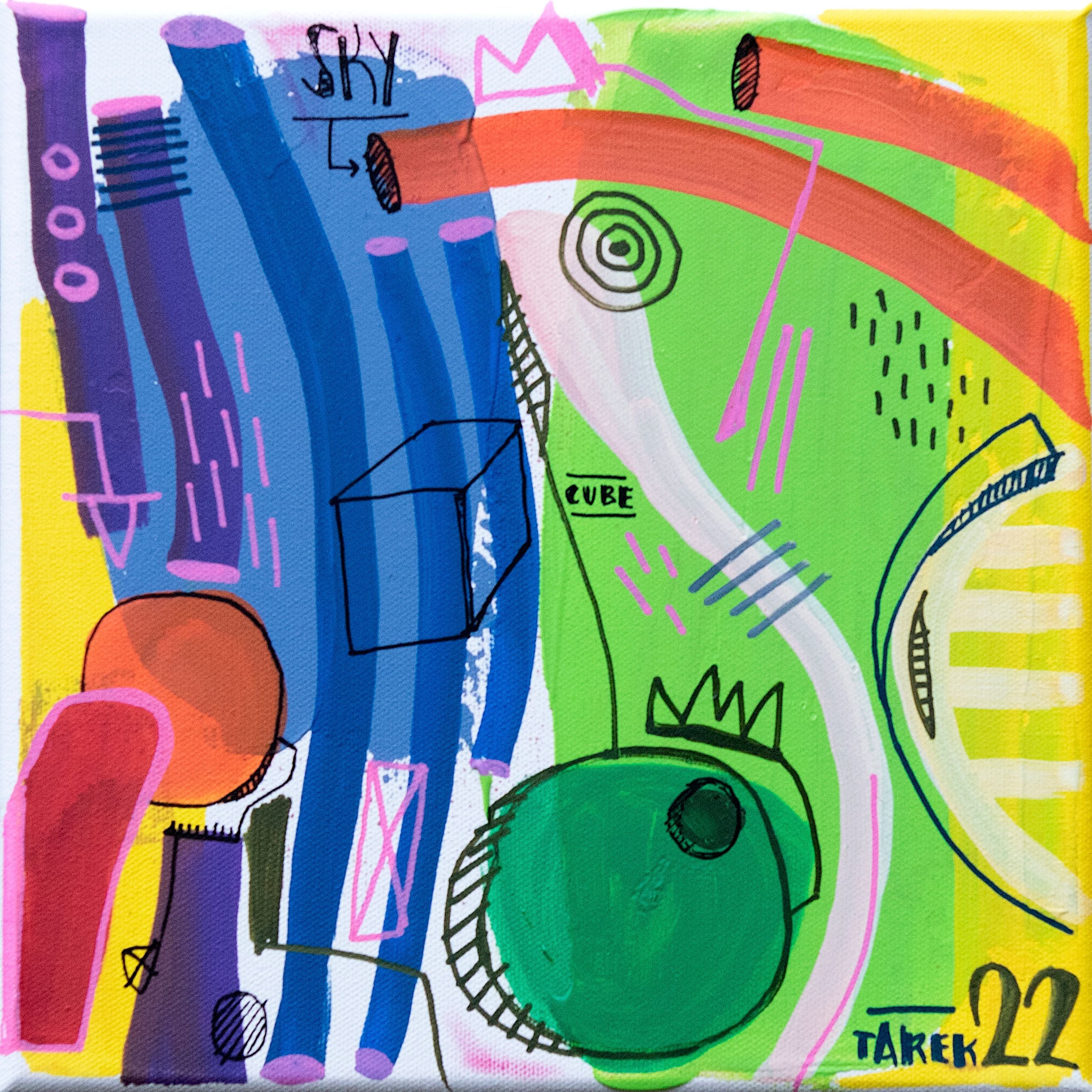
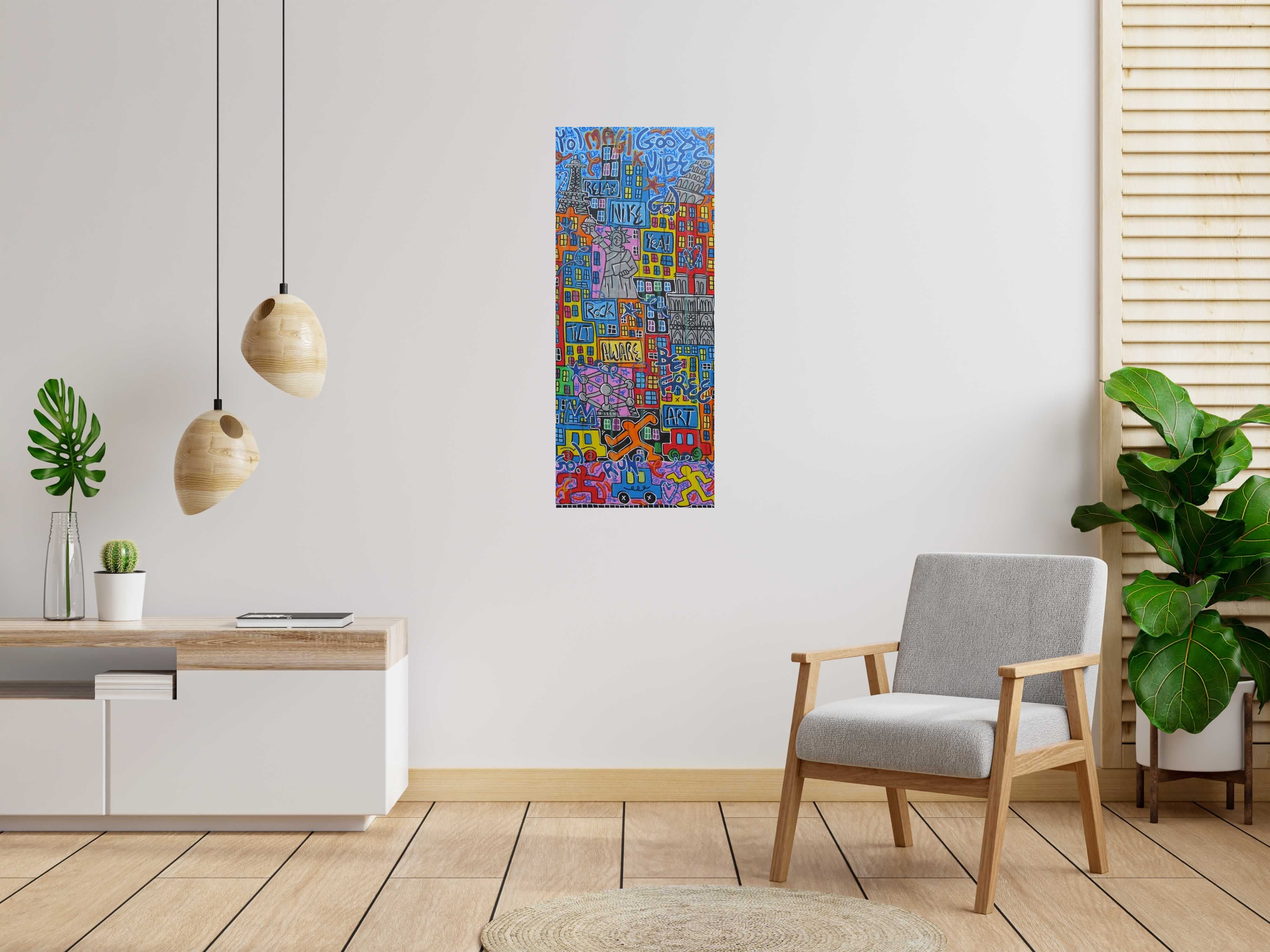
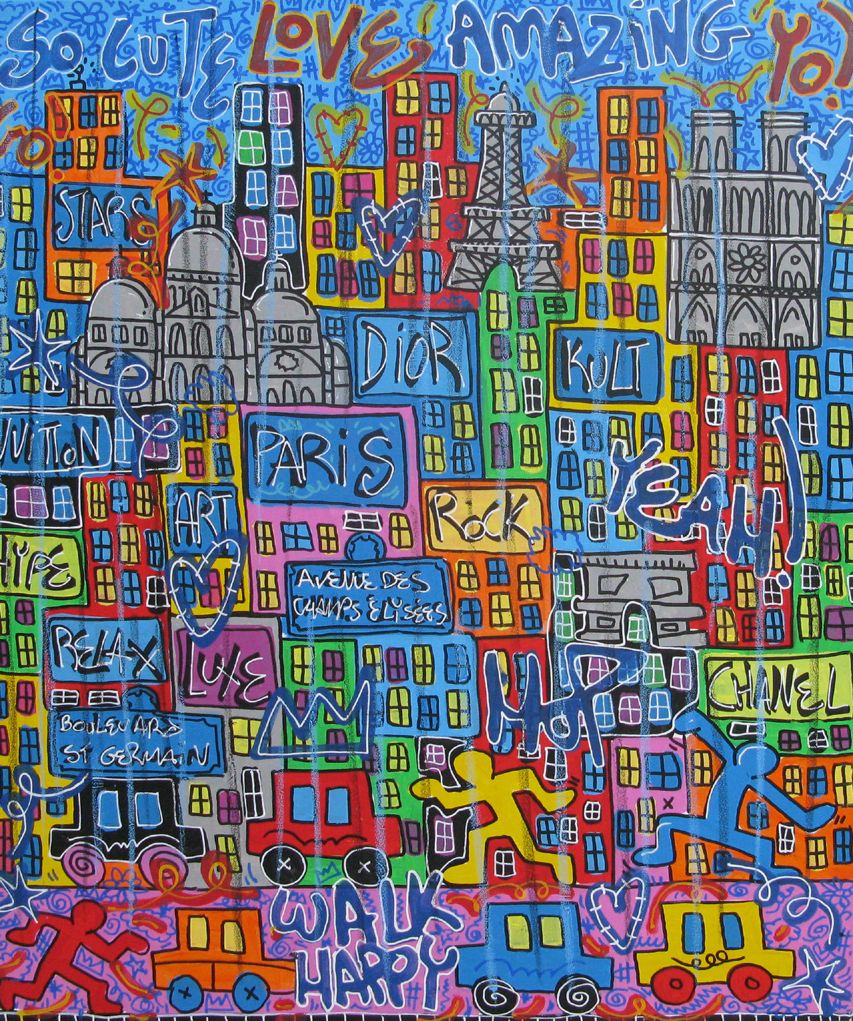
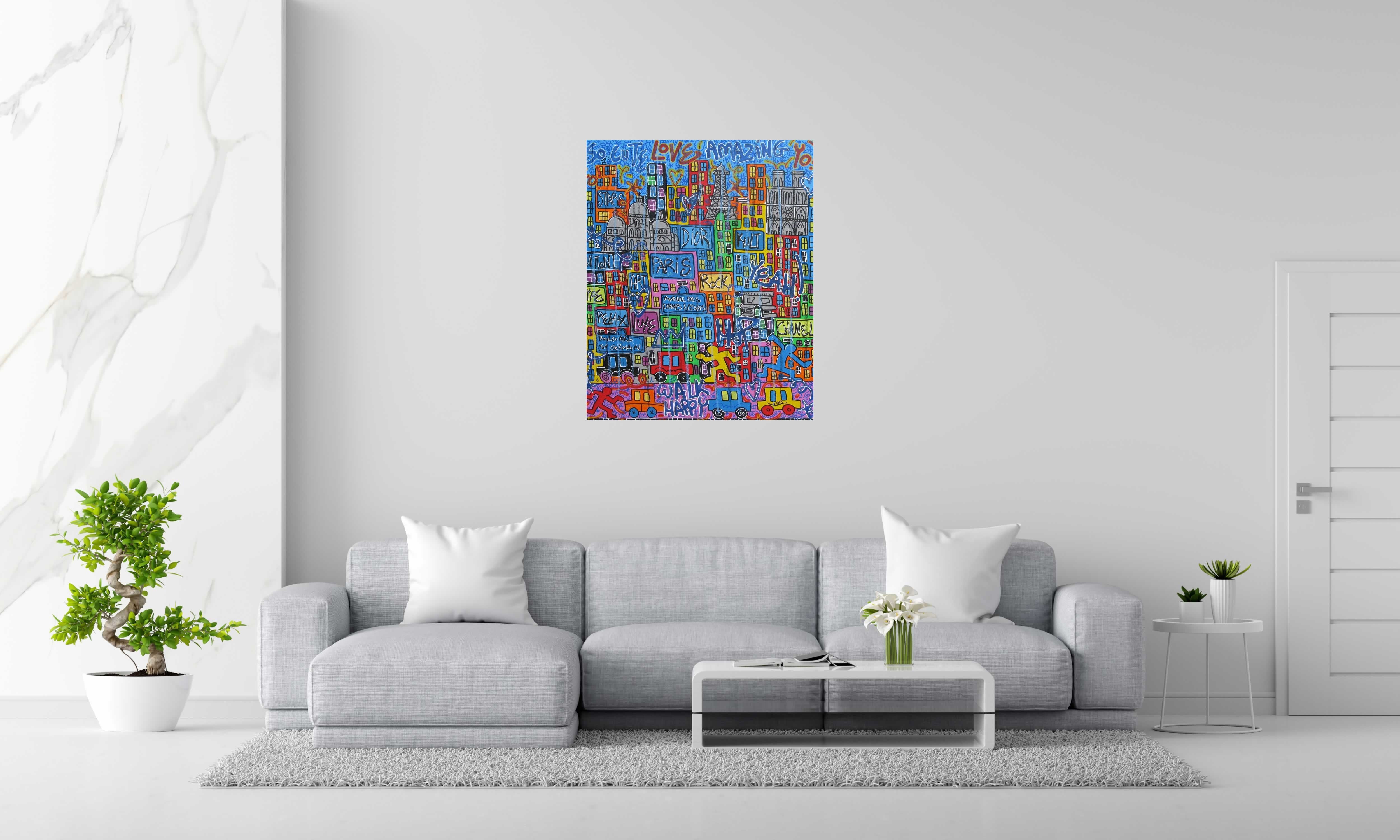
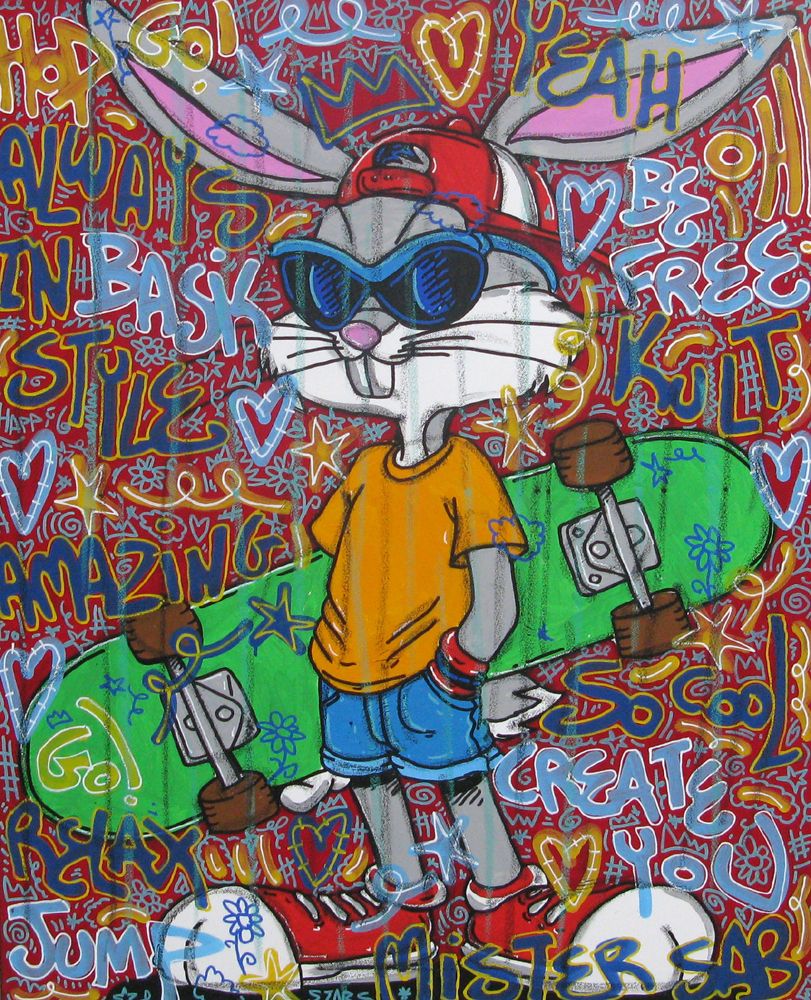
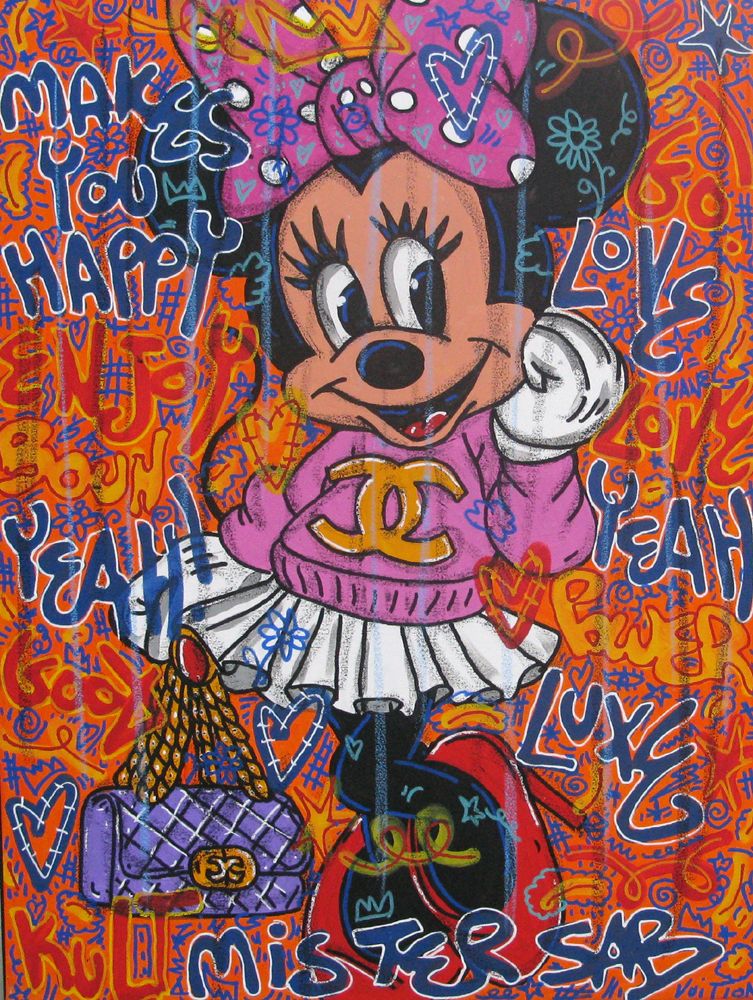
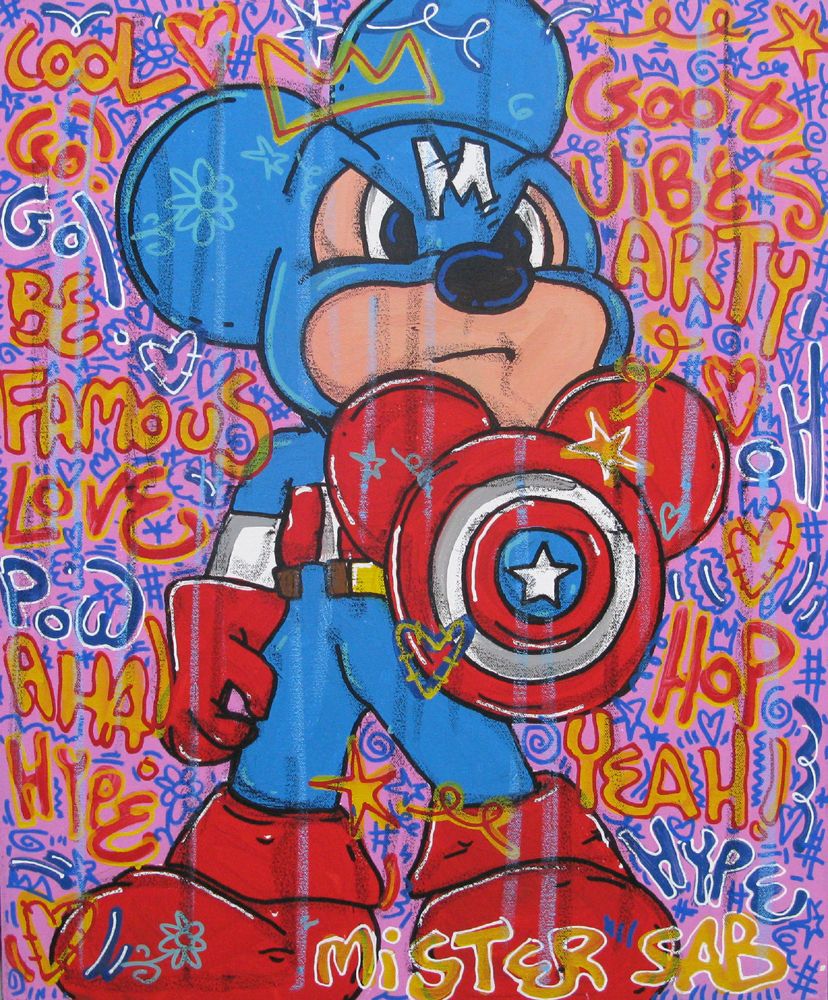
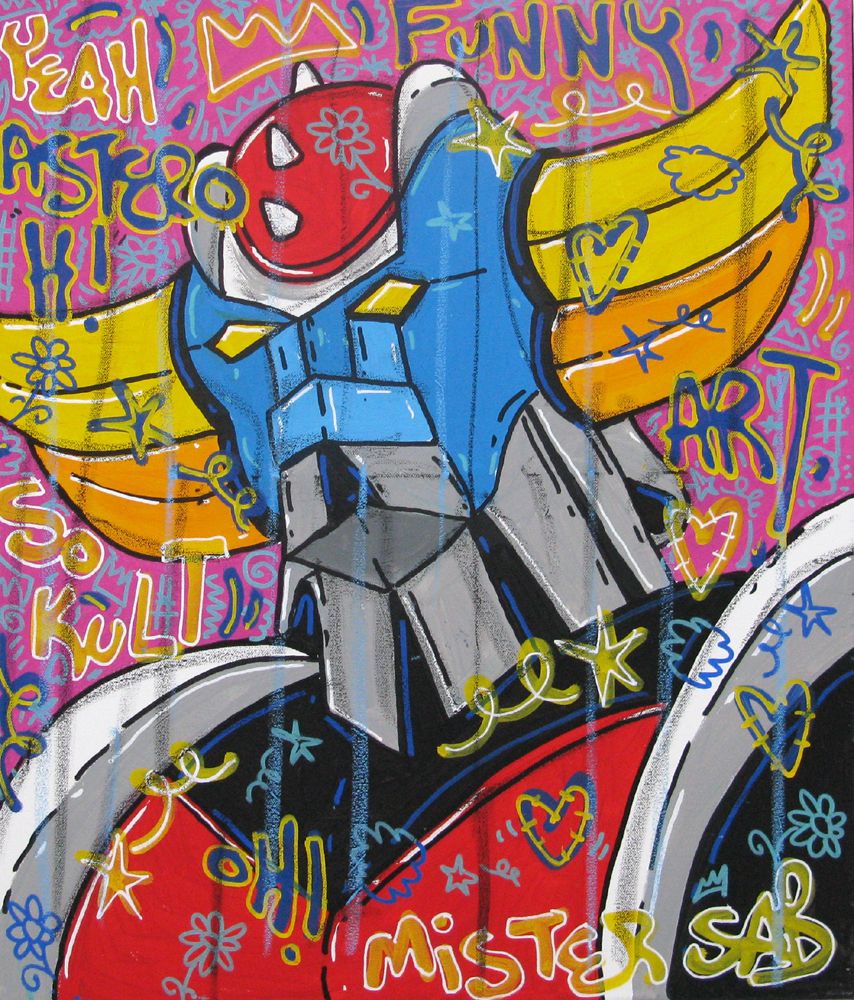
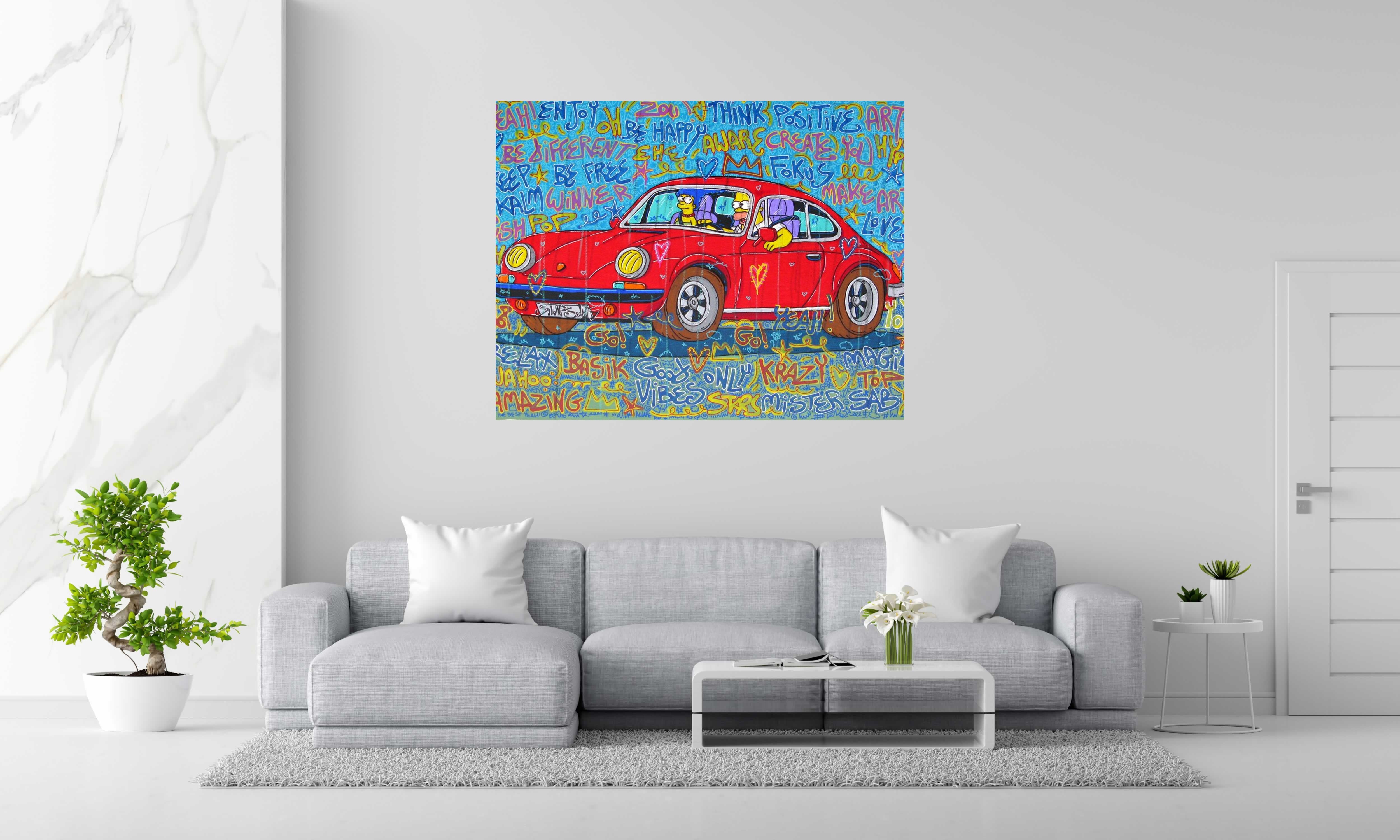
Street Pop Art is characterized by a strong and assertive aesthetic. Bright colors, solid color blocks, graphic overlays, and strong contrasts create an immediate visual impact.
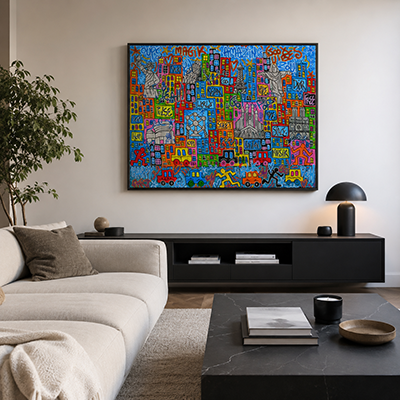
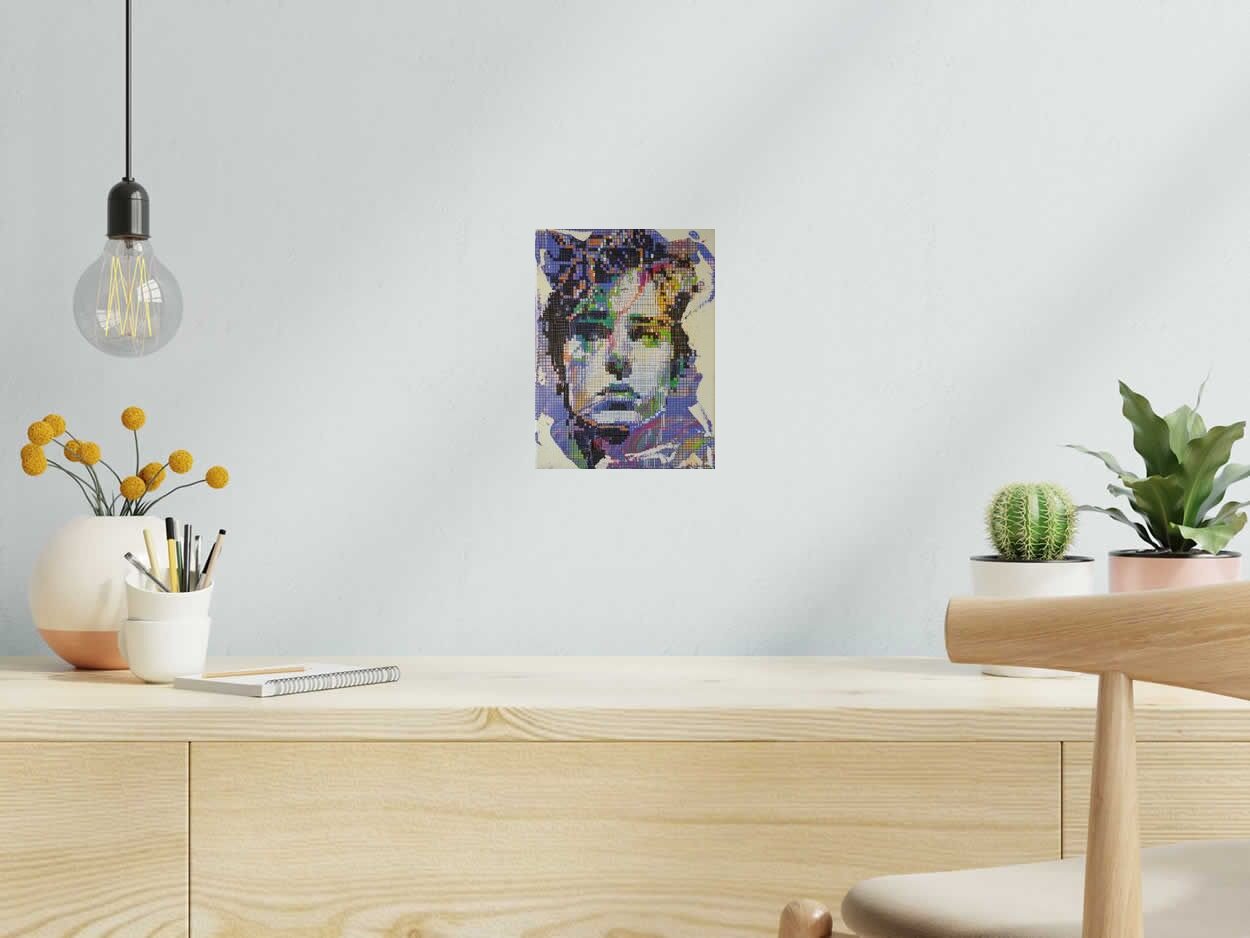
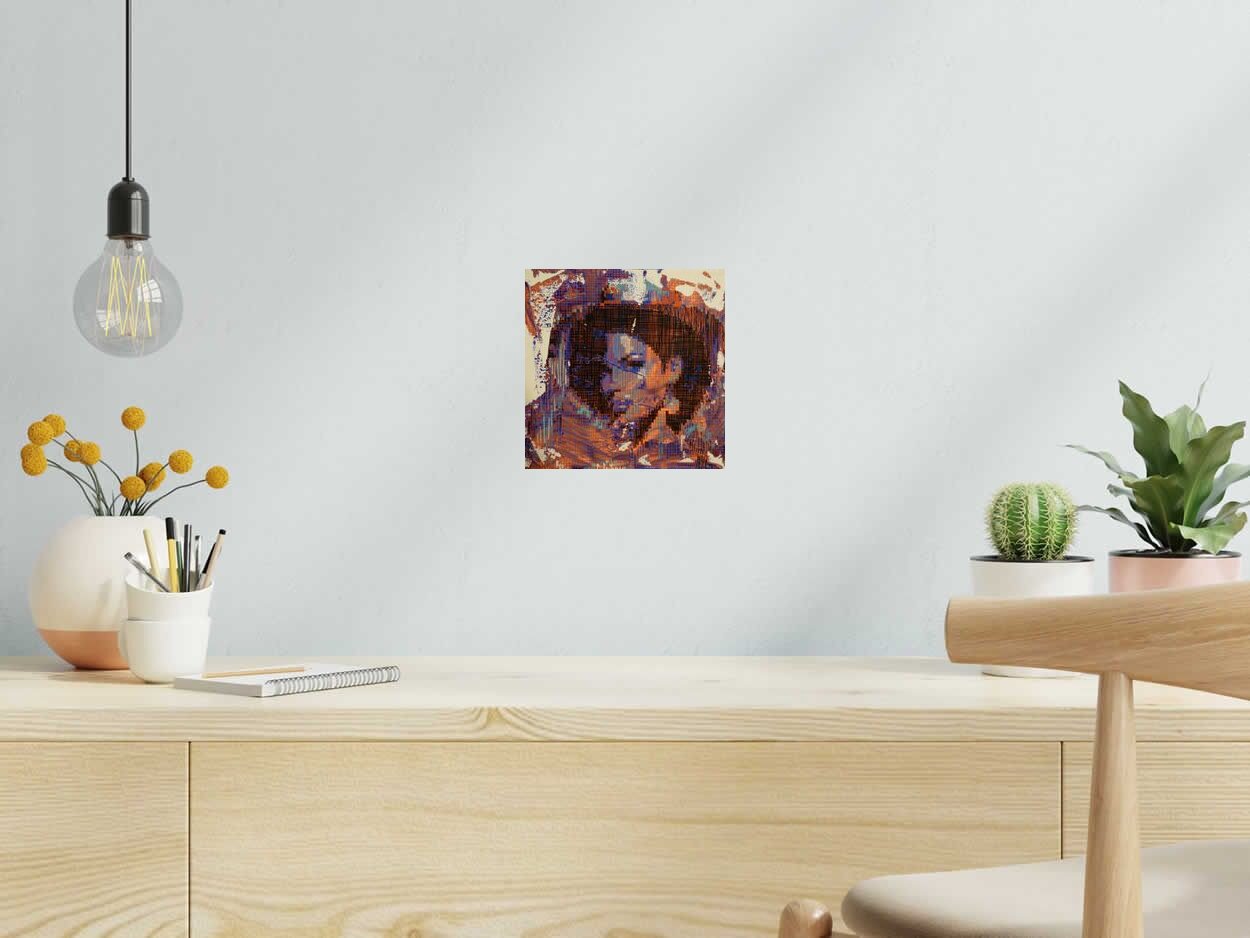
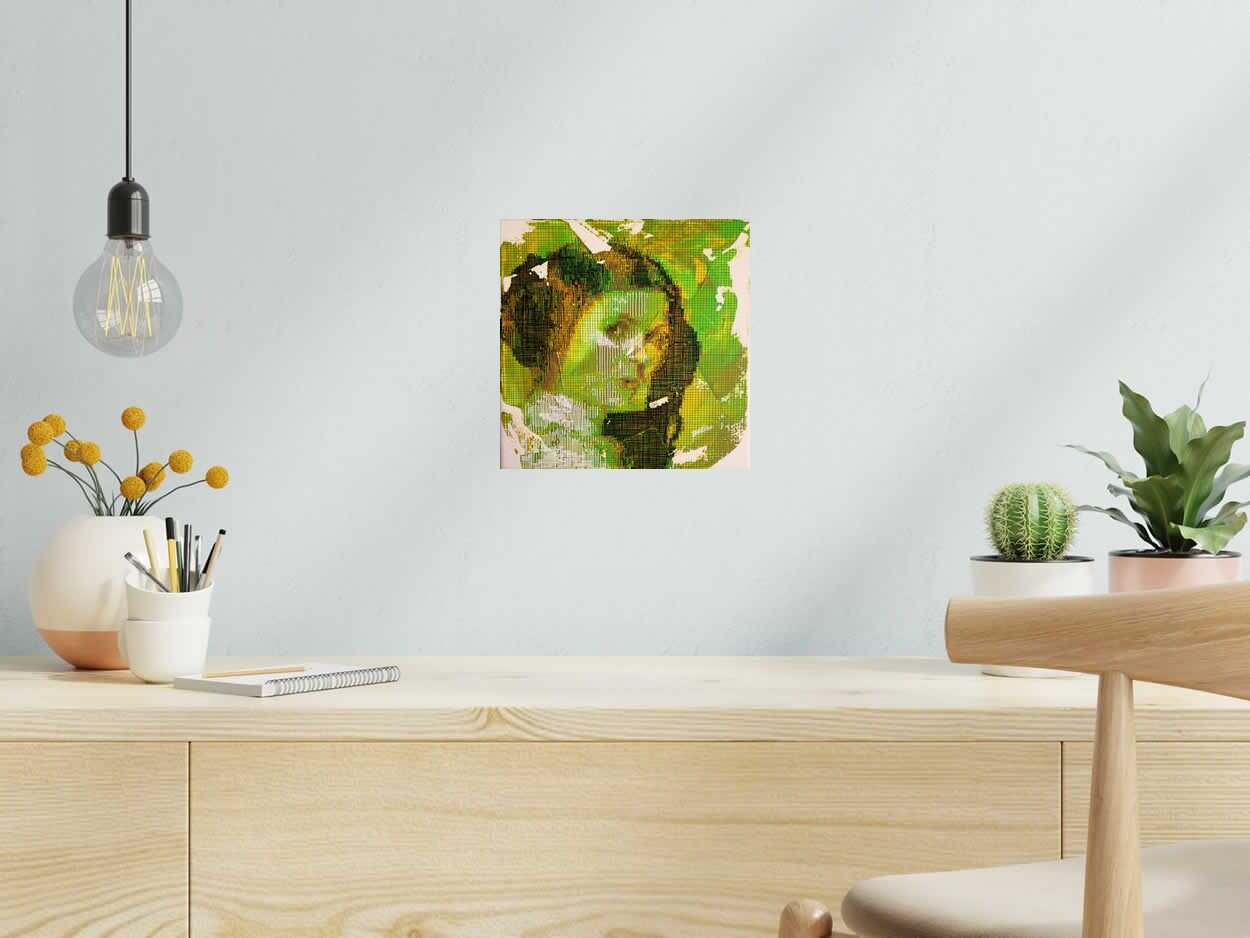
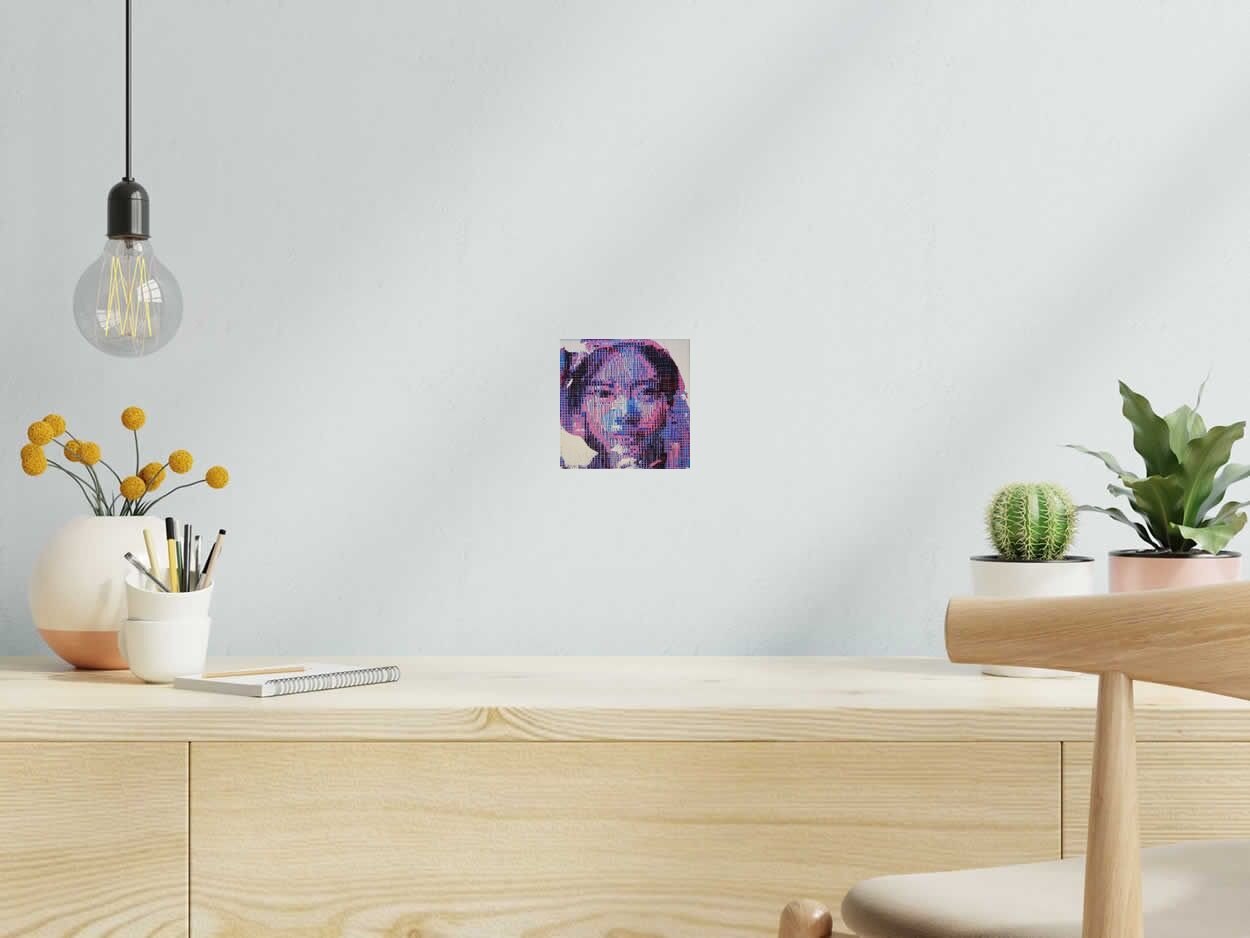
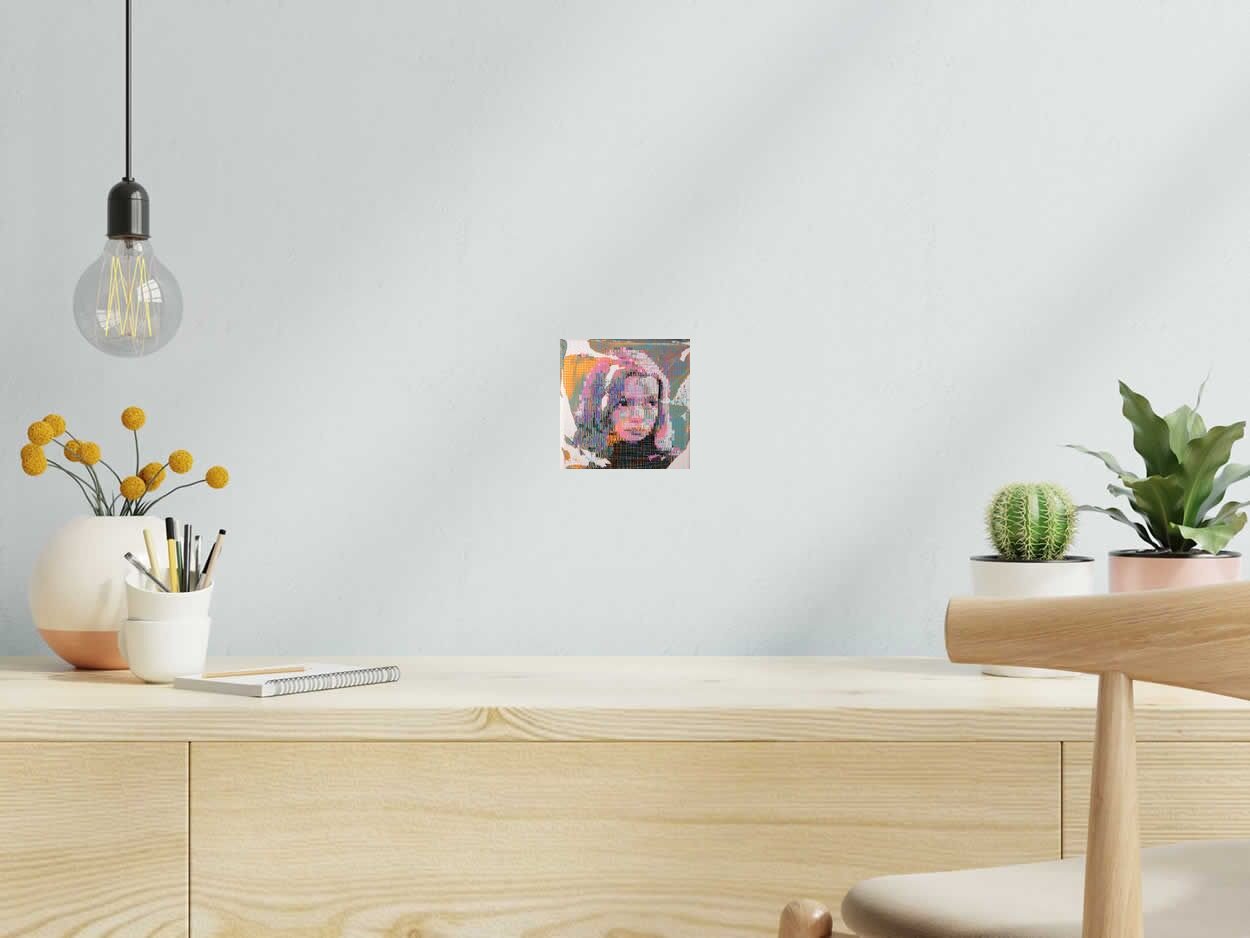
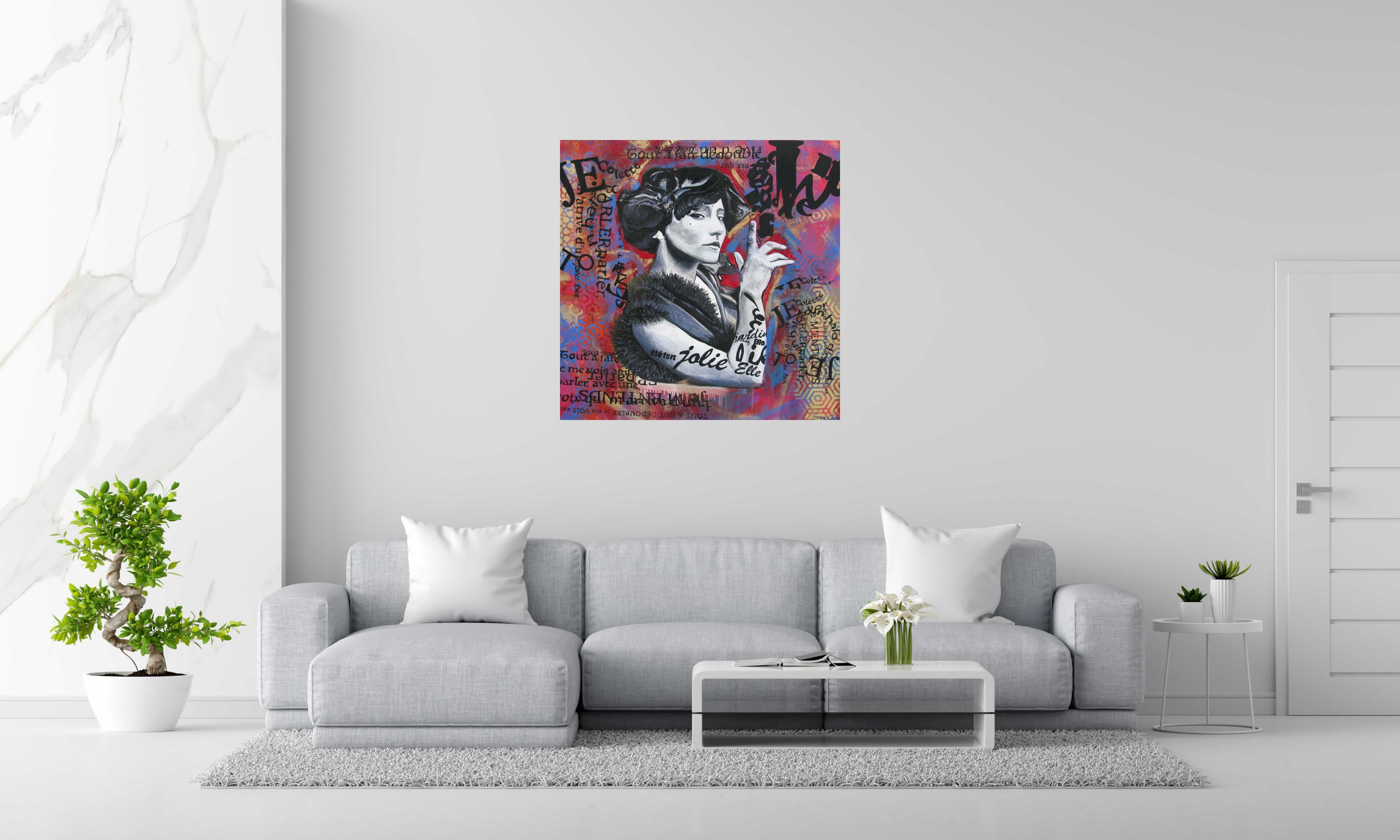
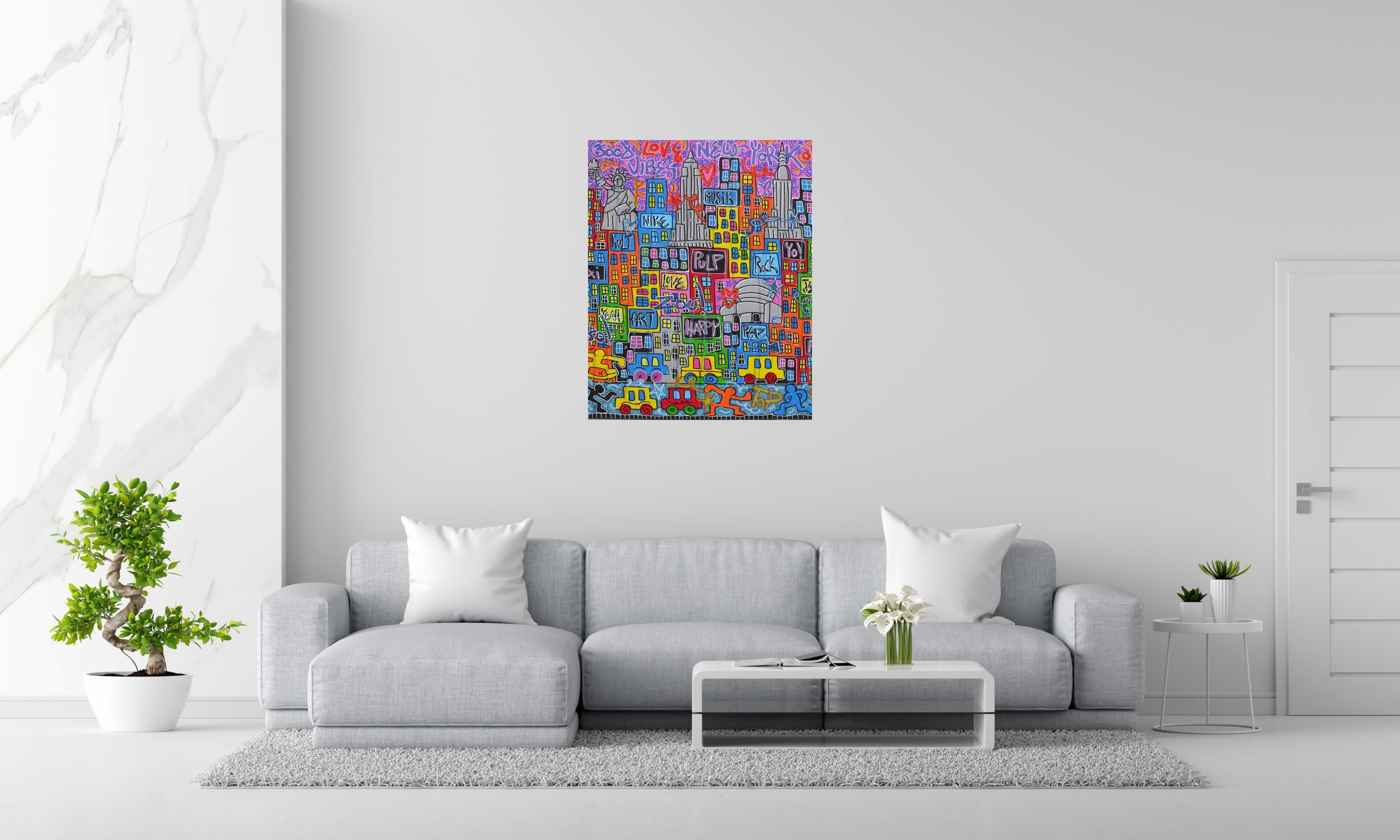
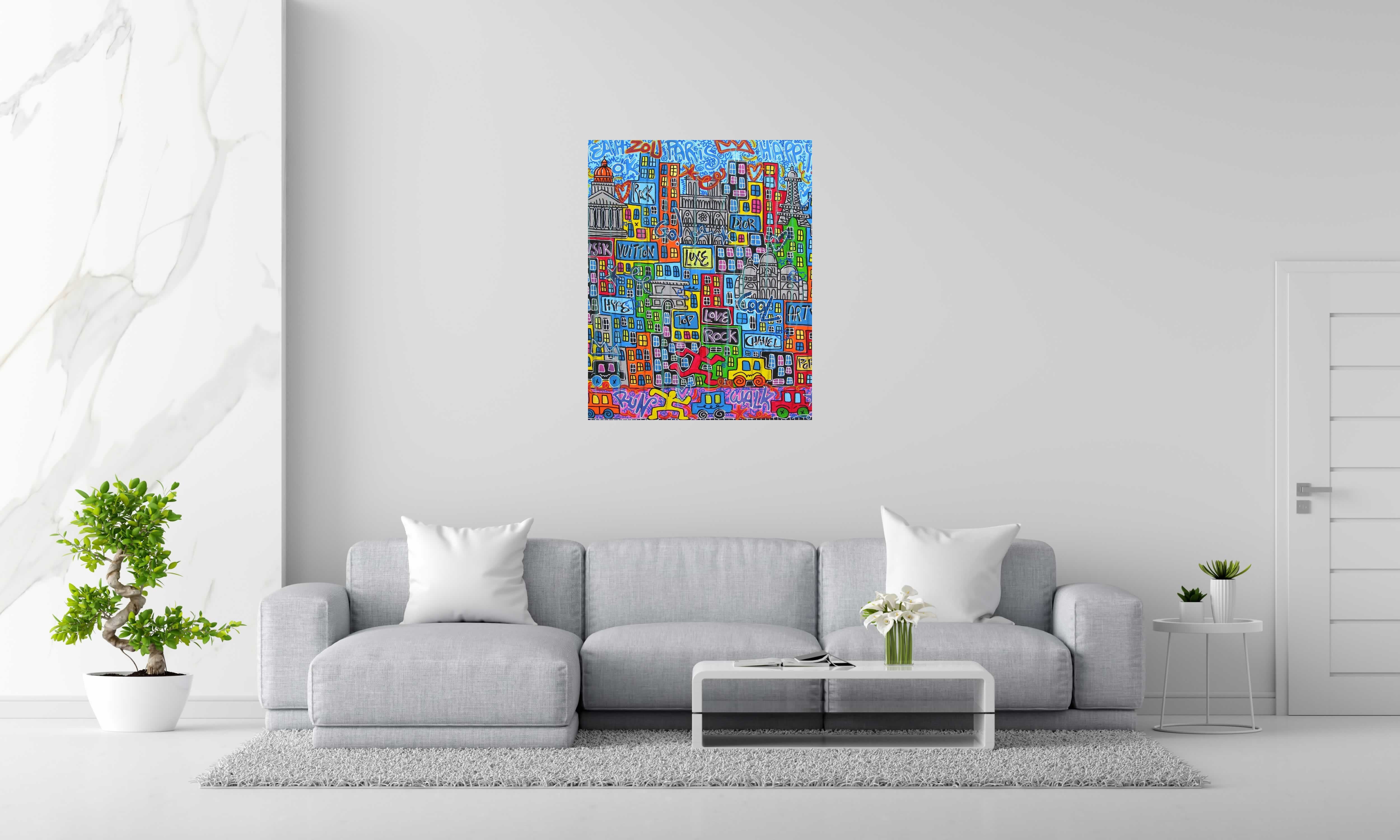
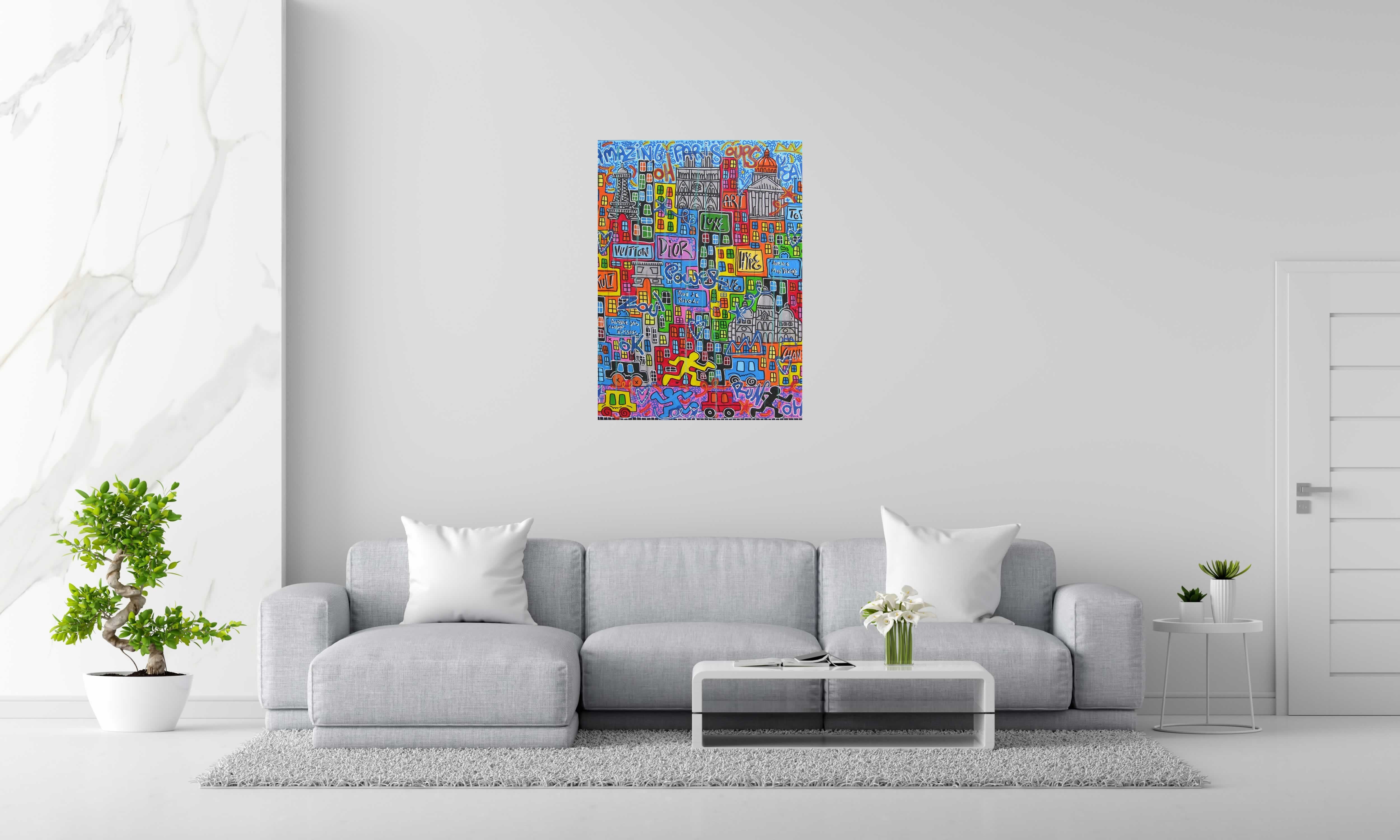
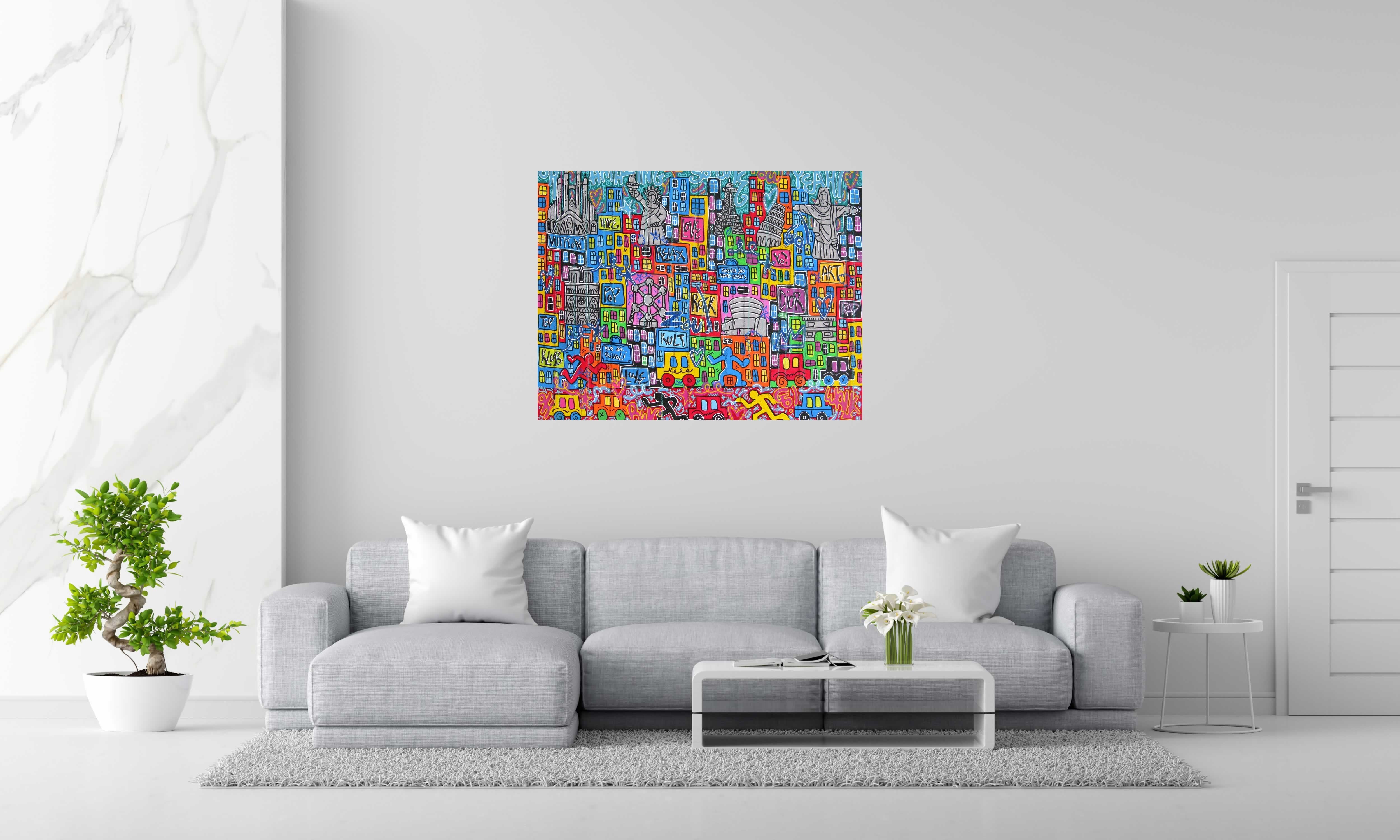
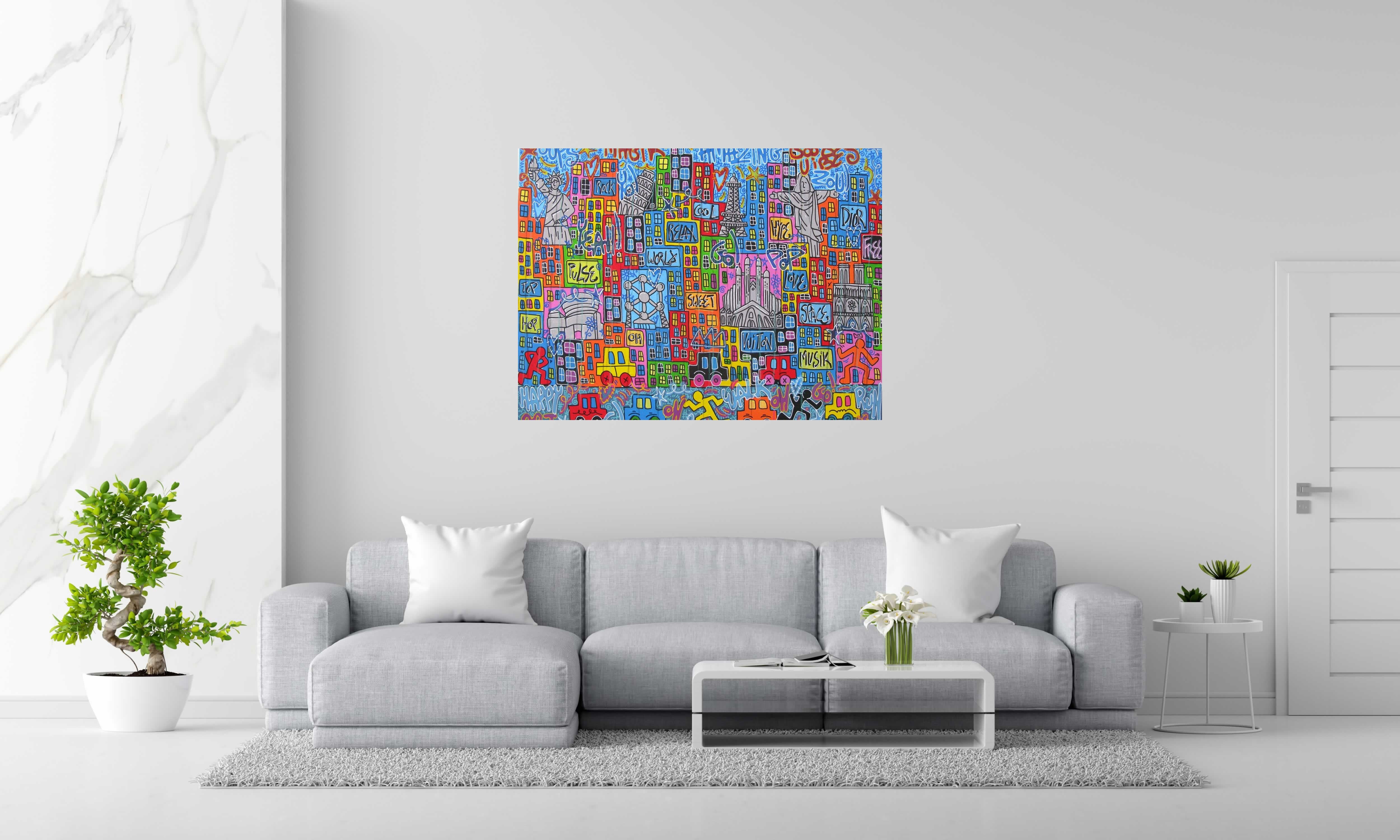
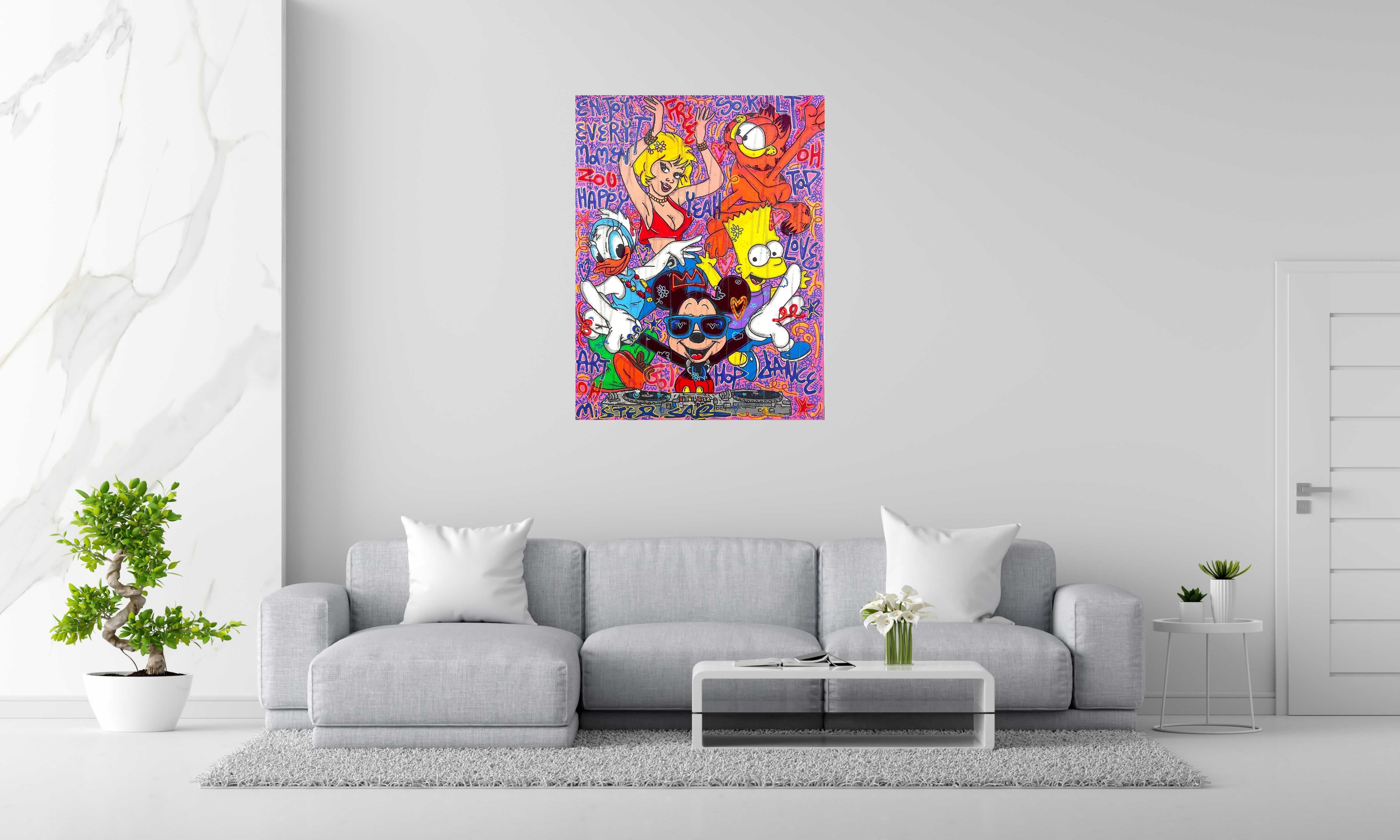
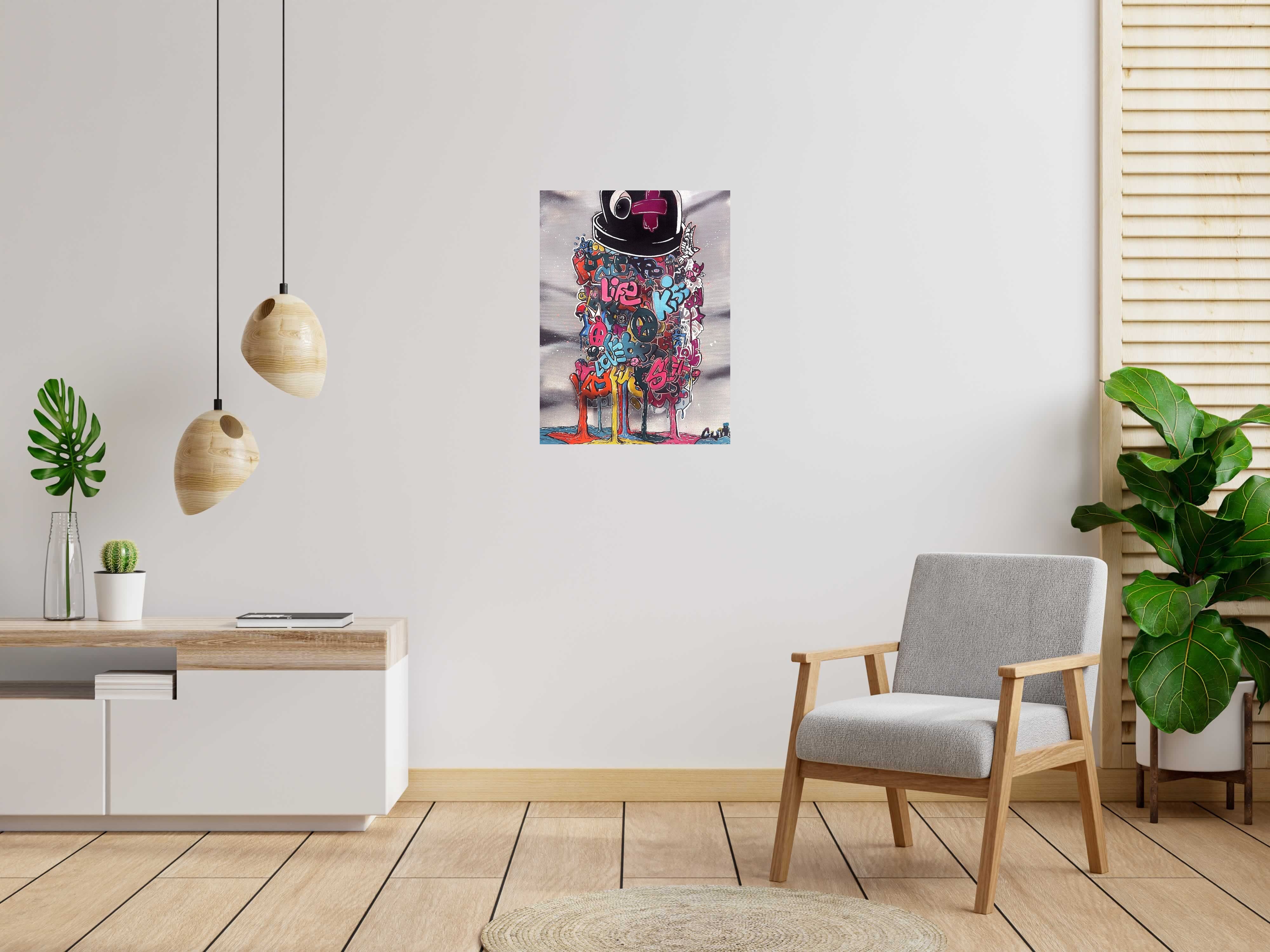
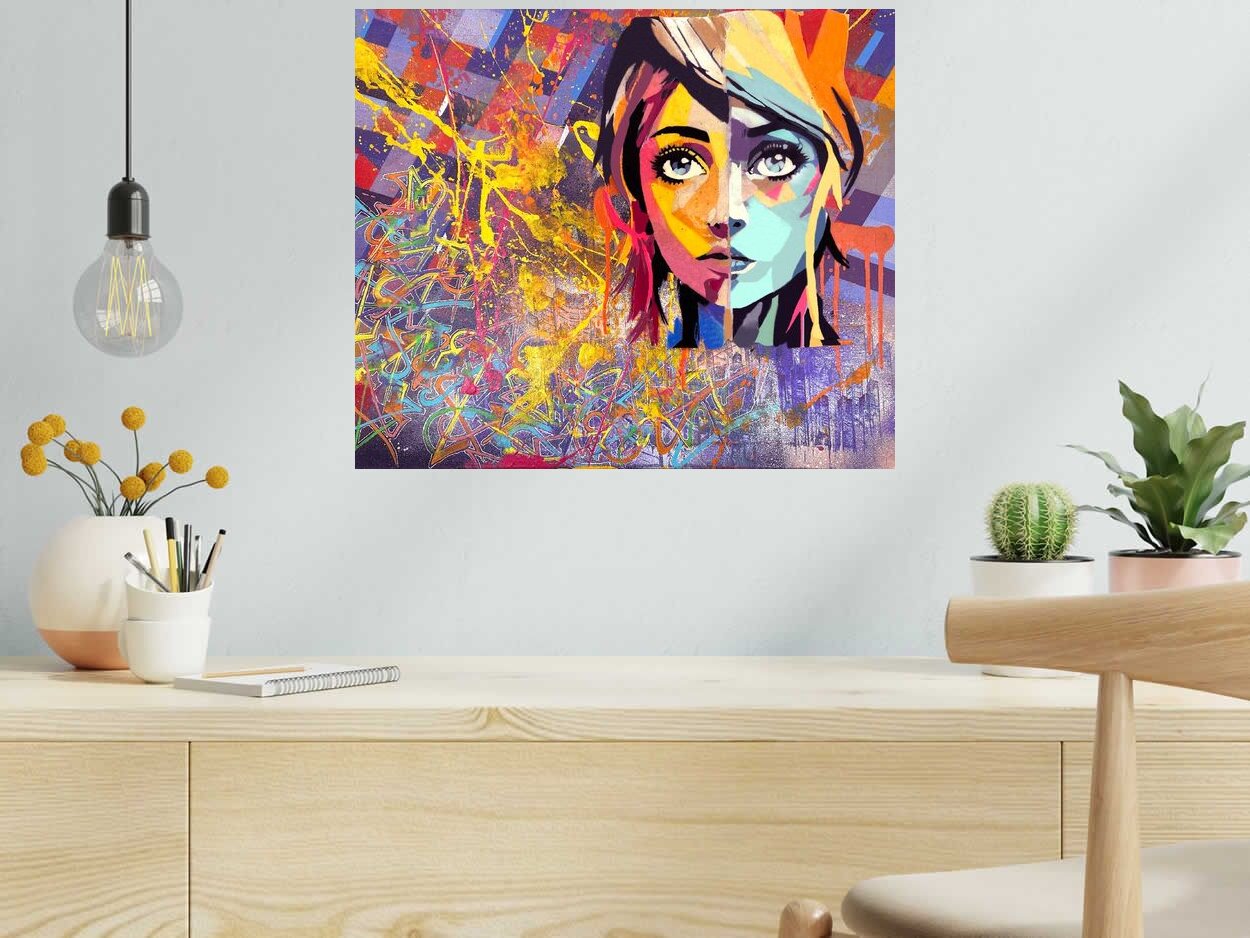
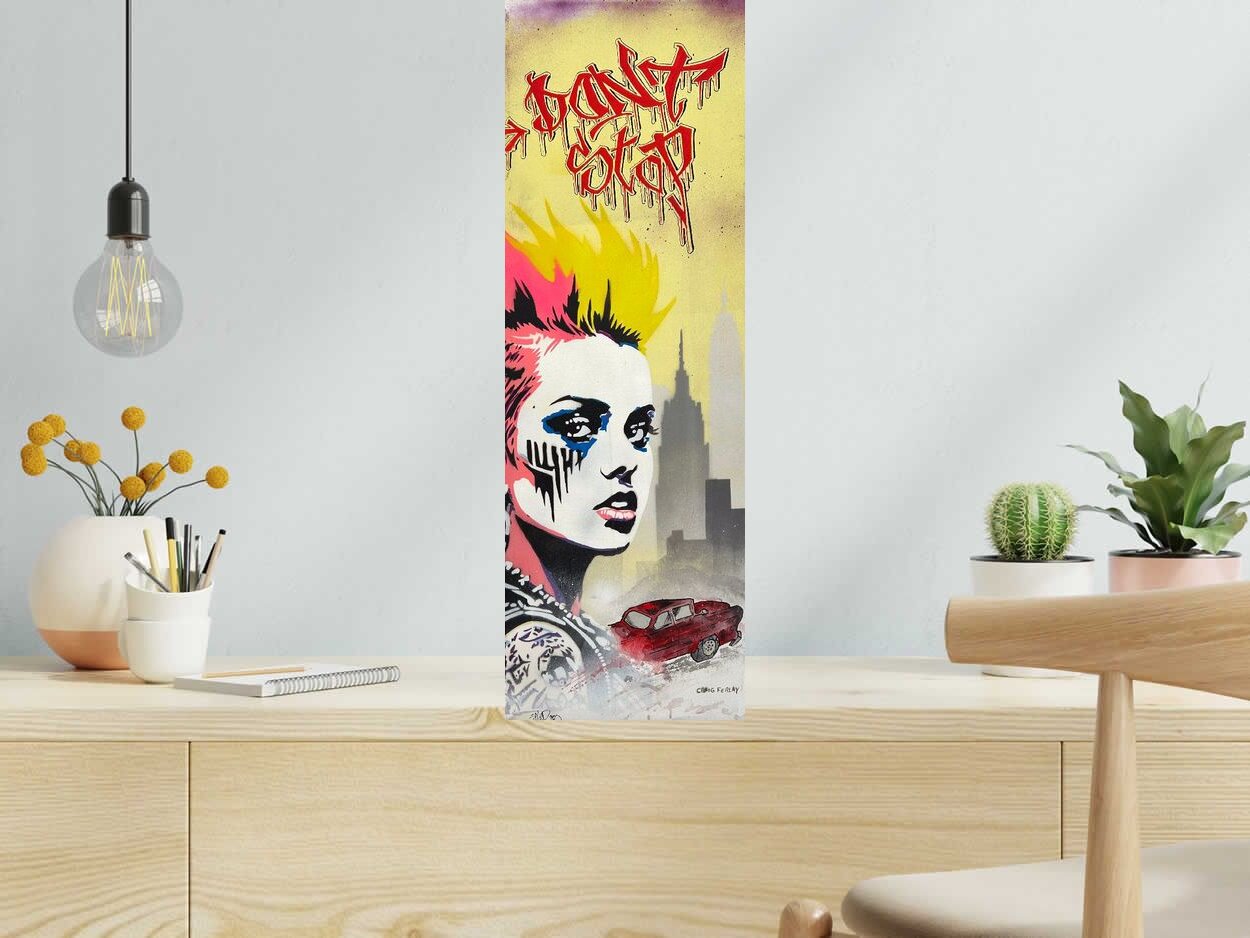
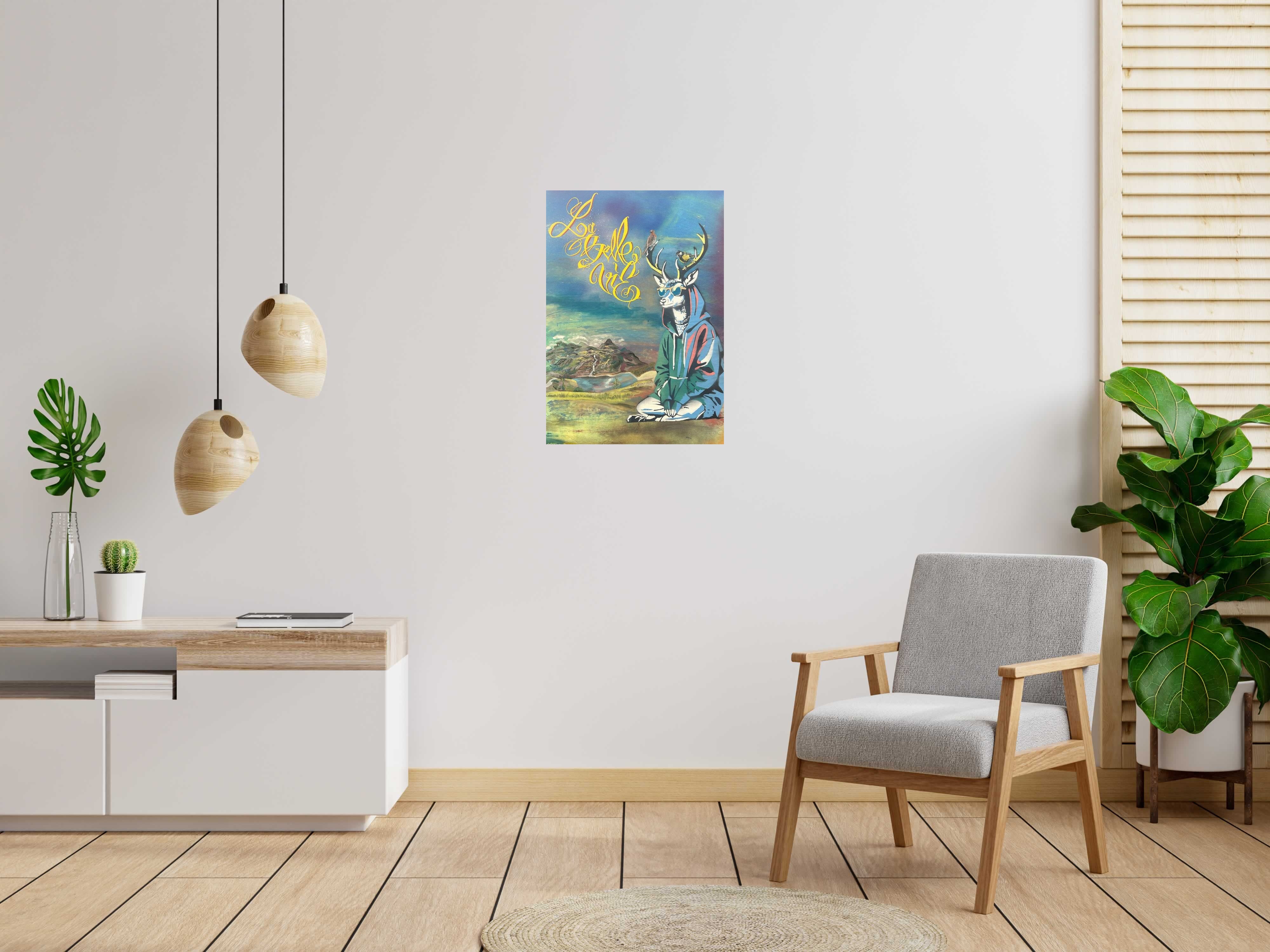
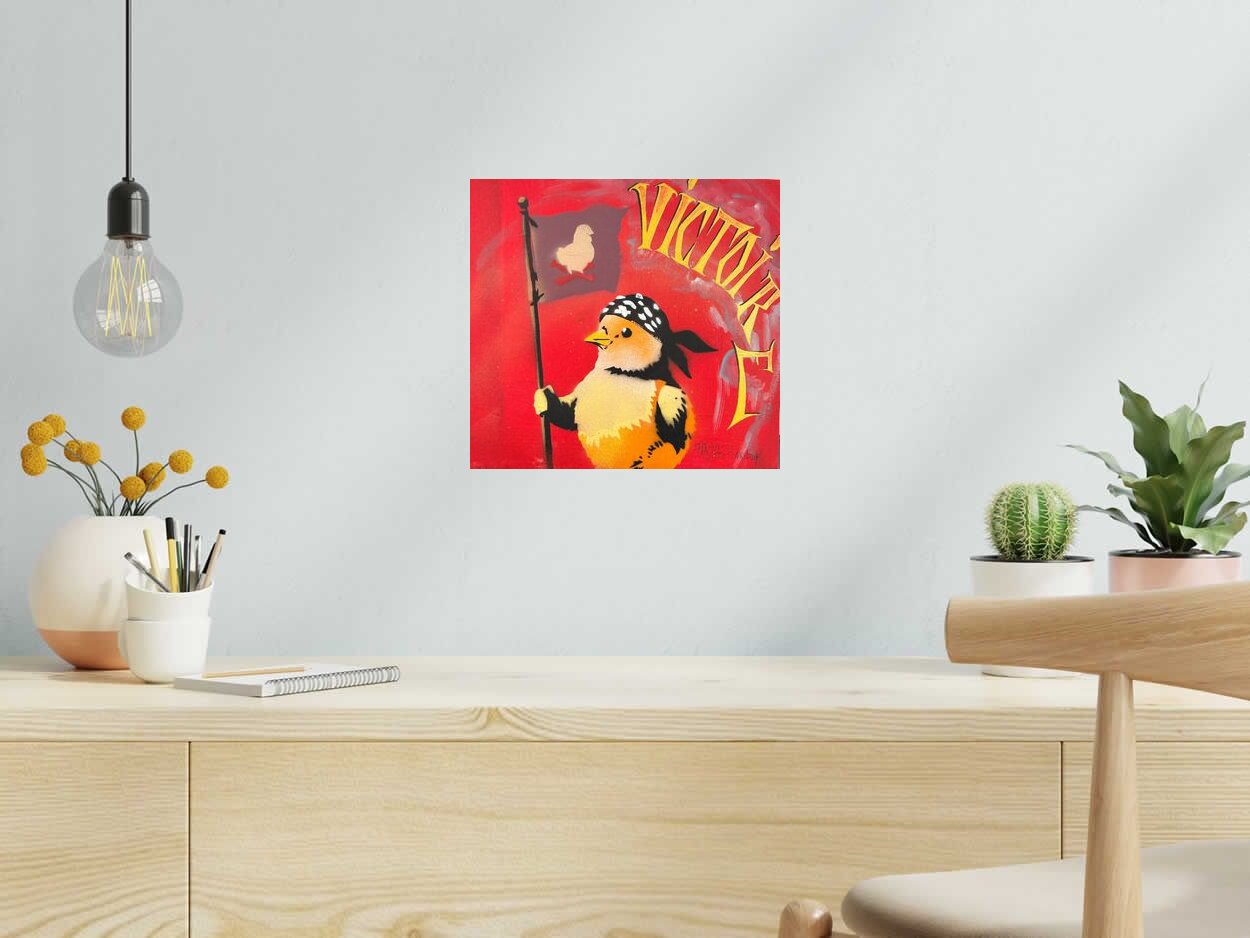
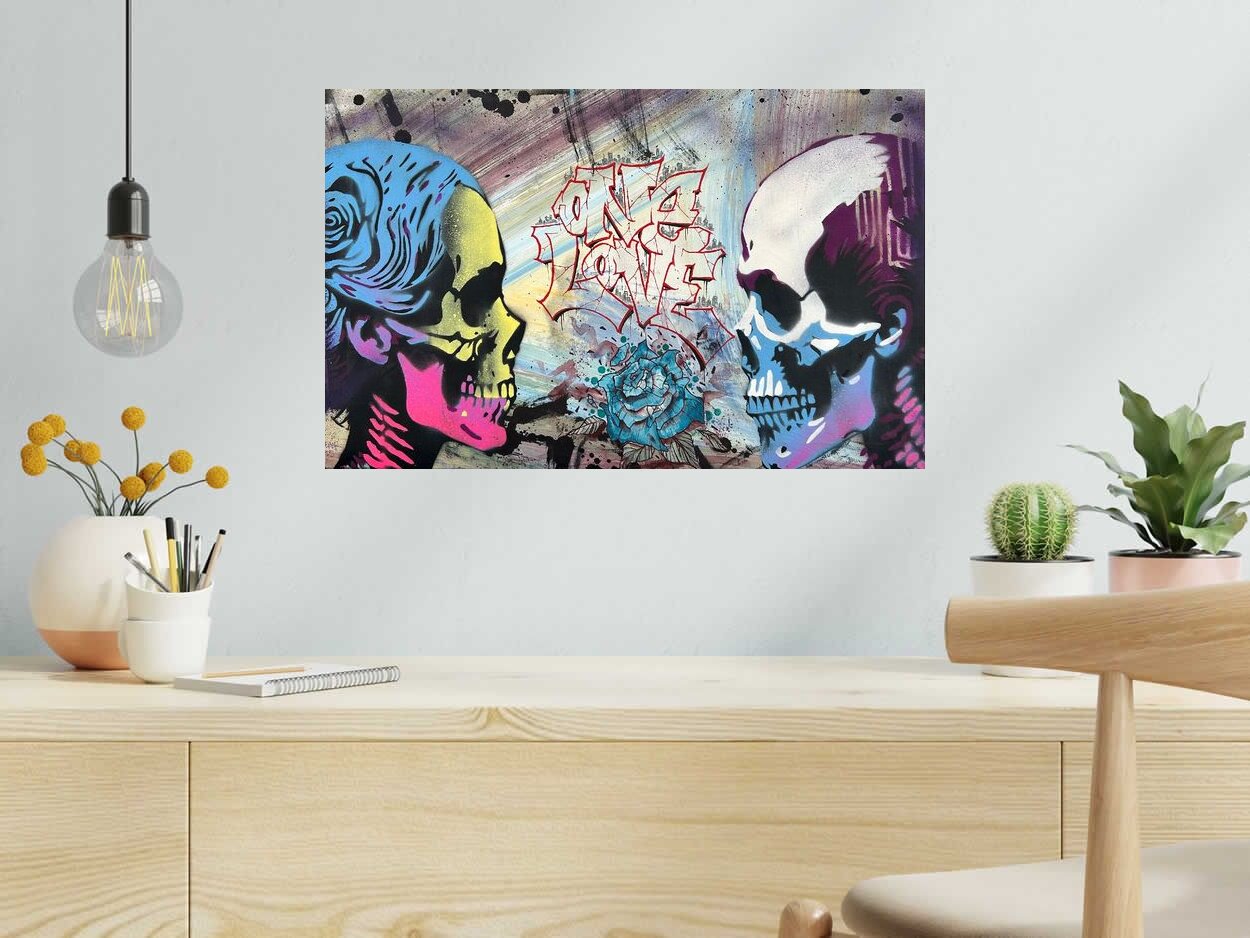
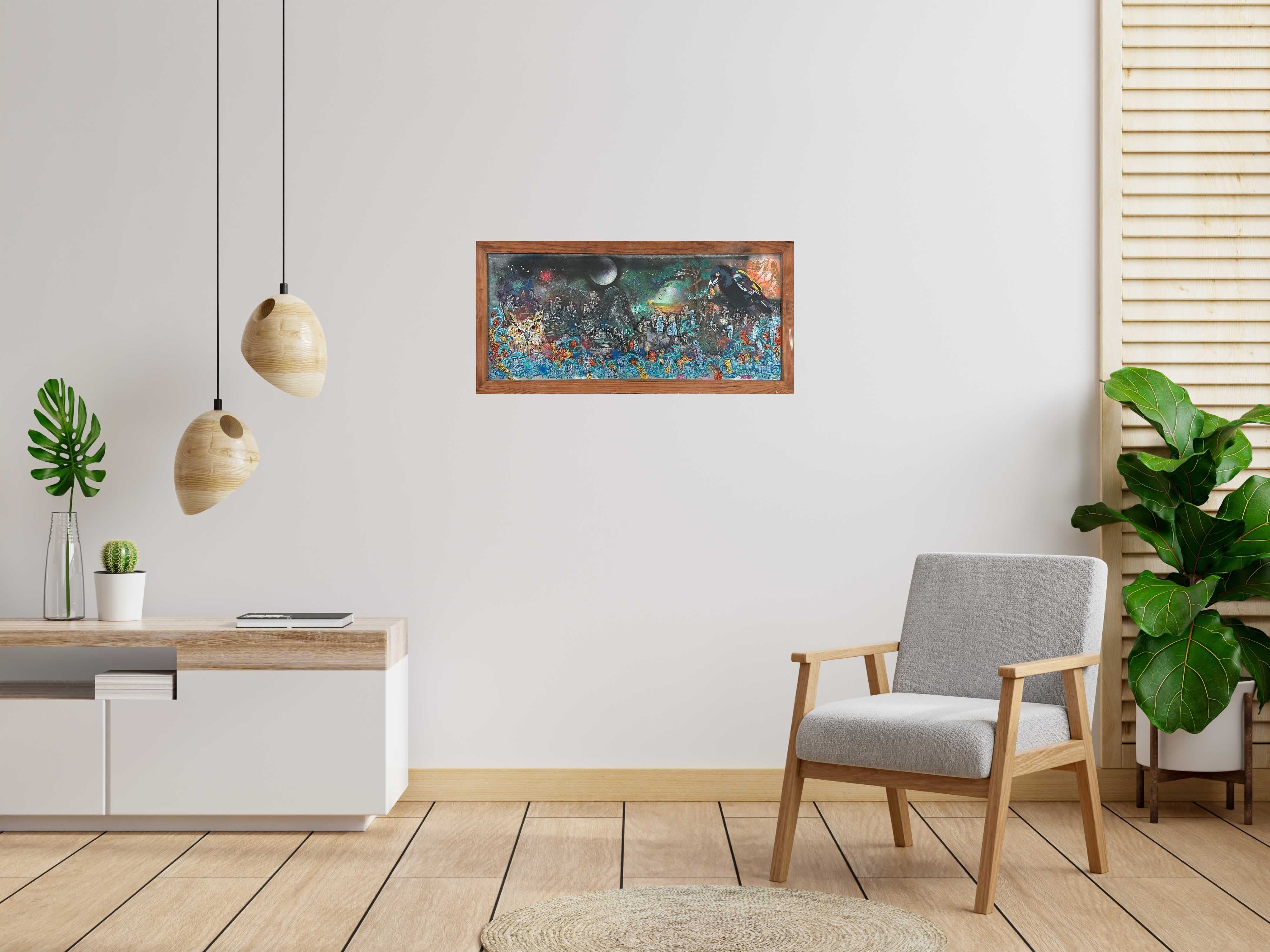
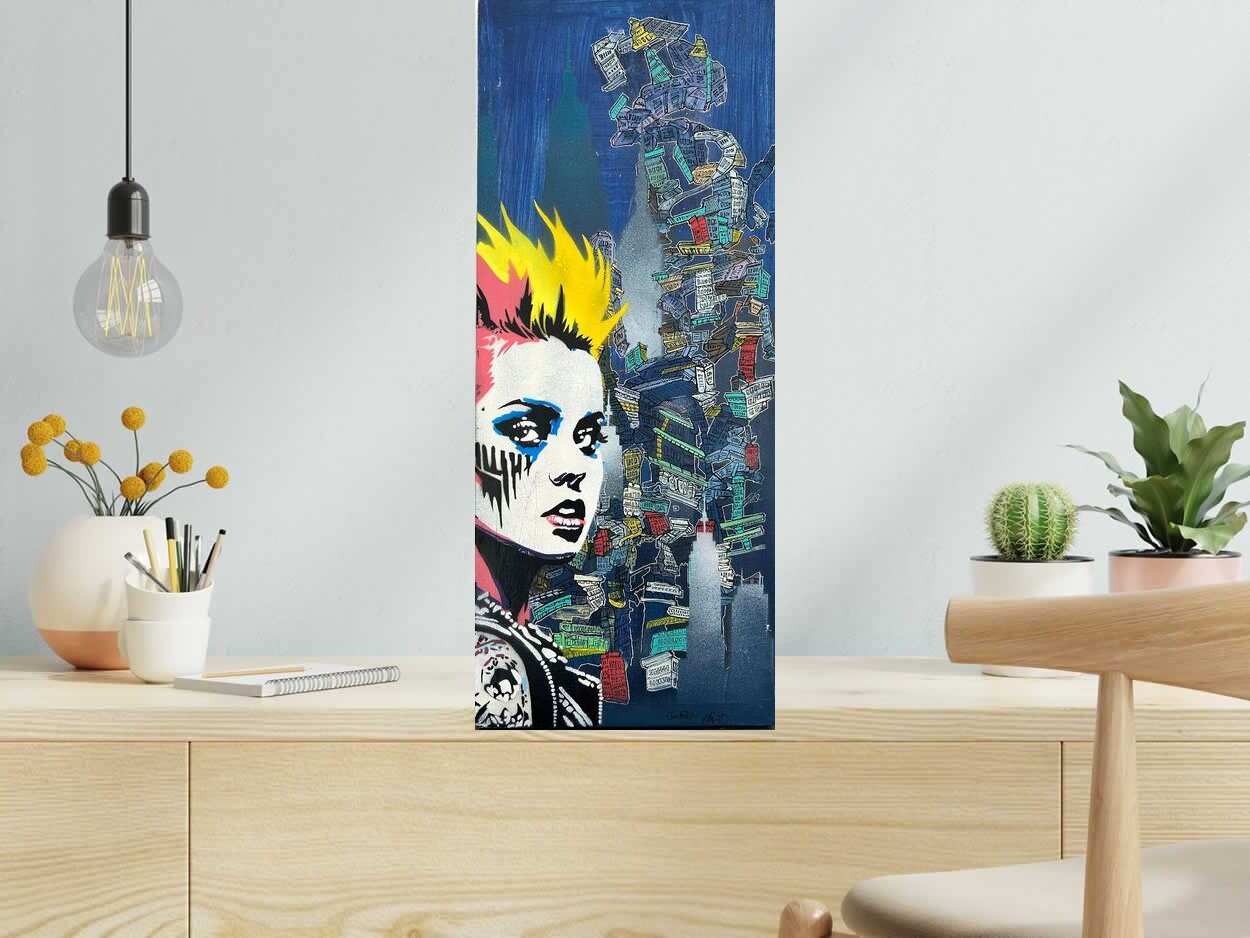
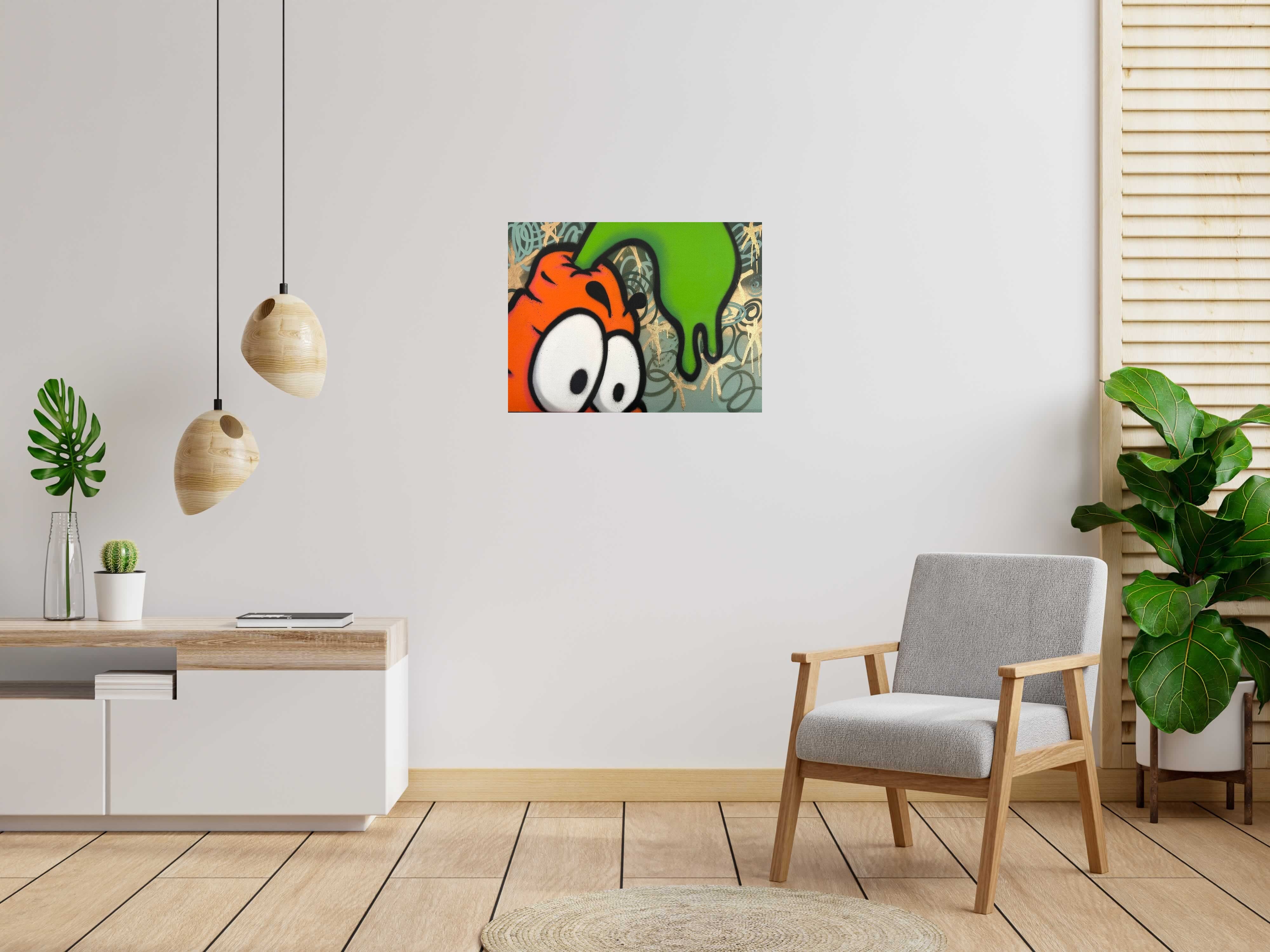
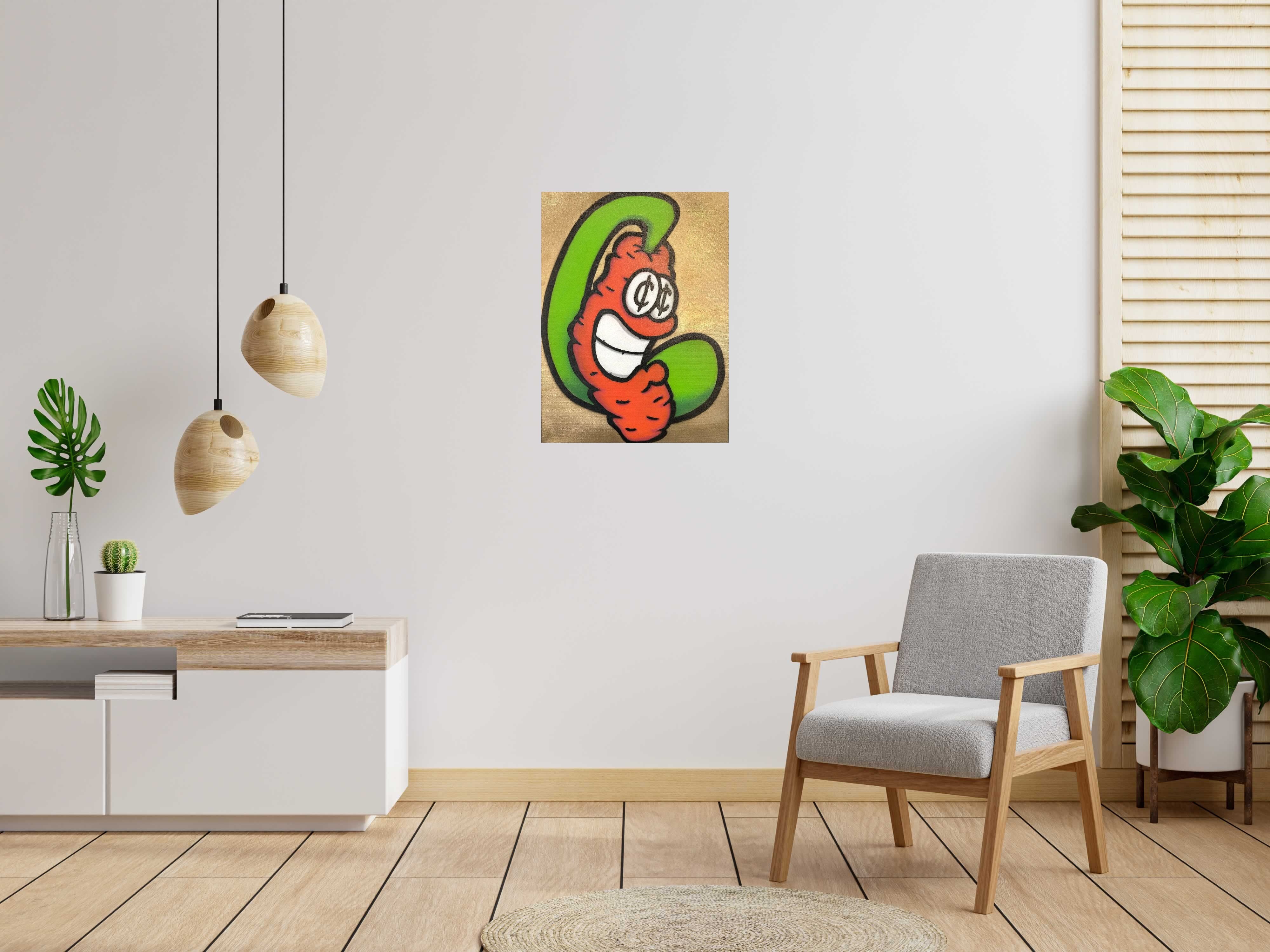
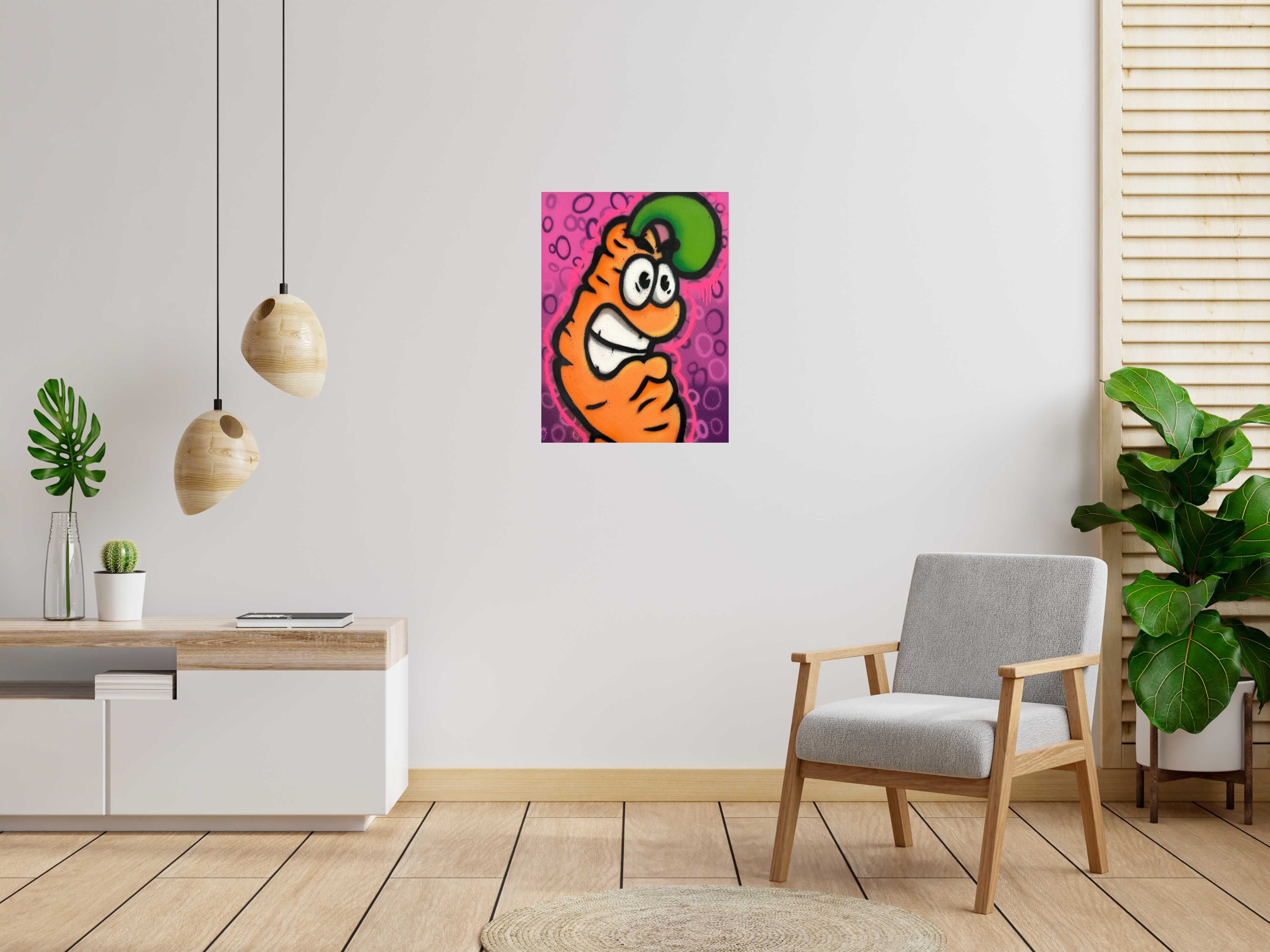
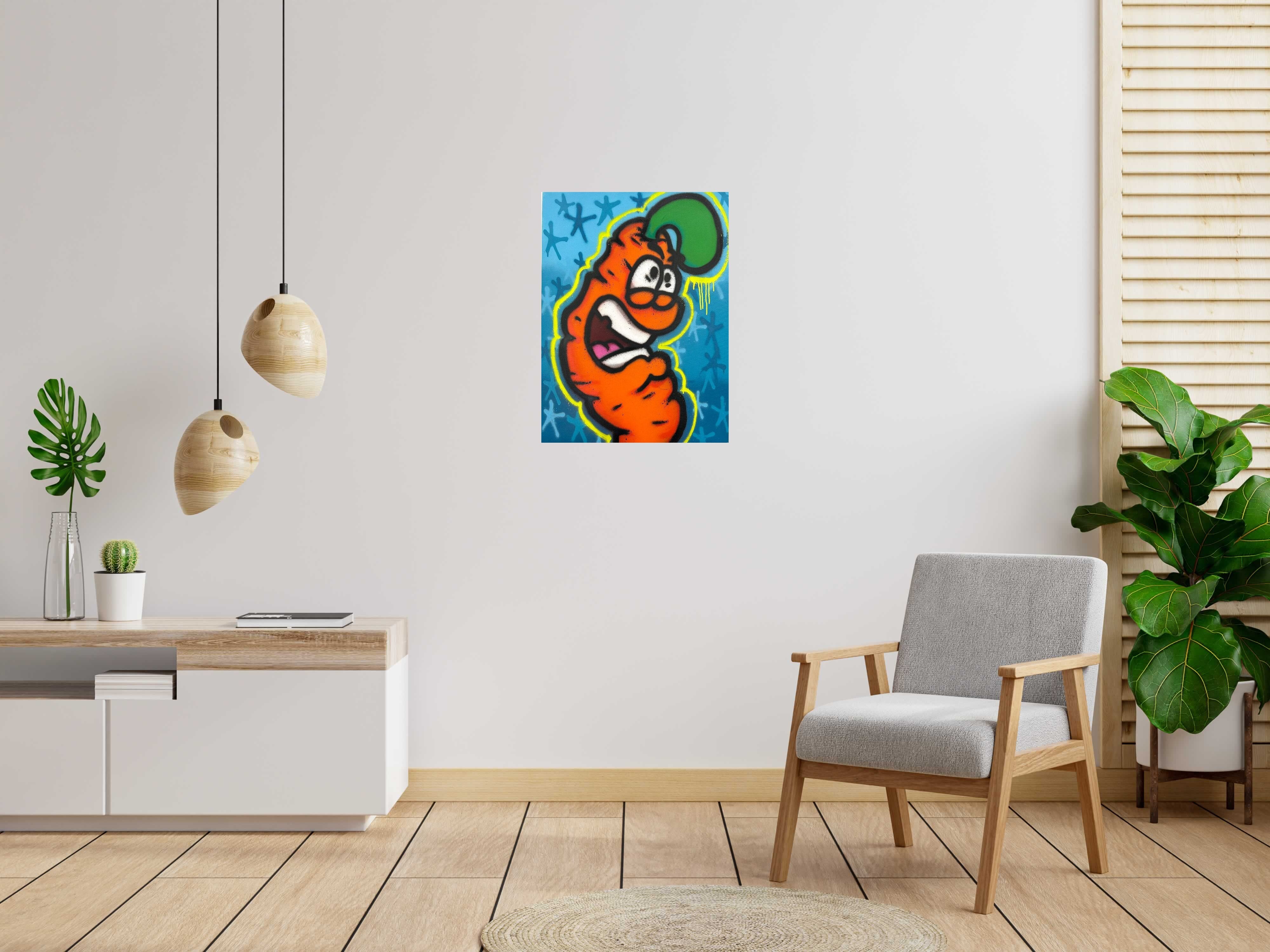
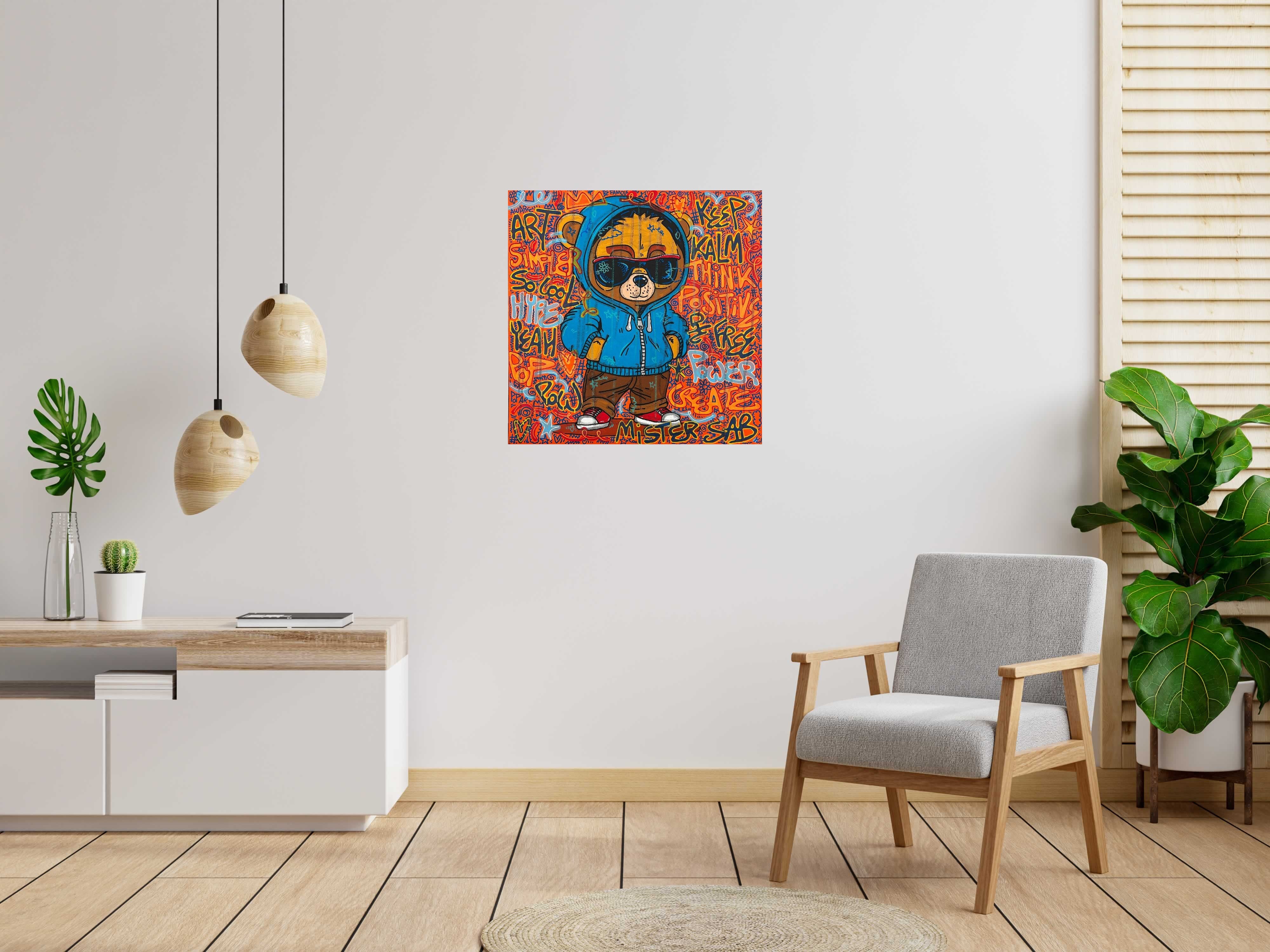
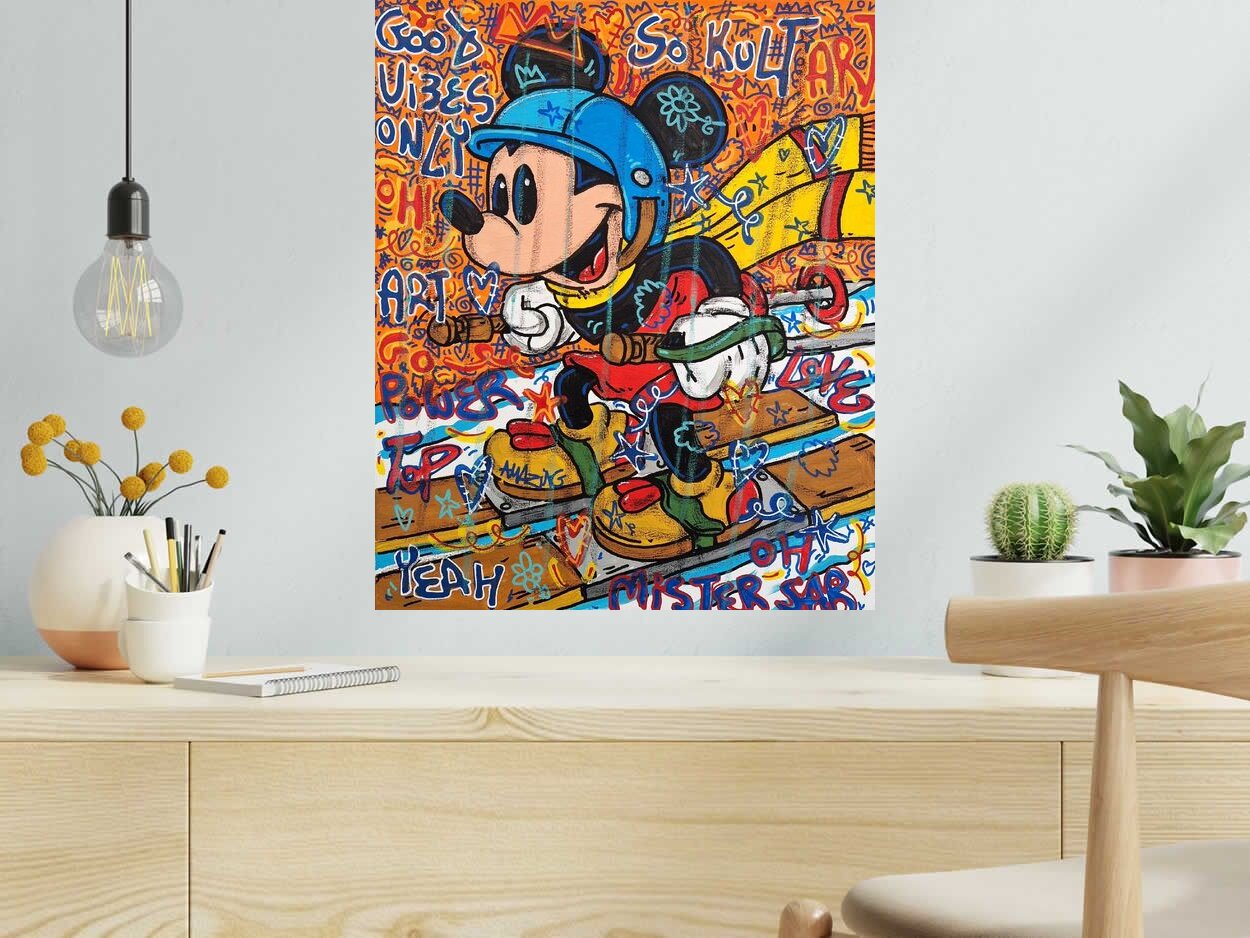
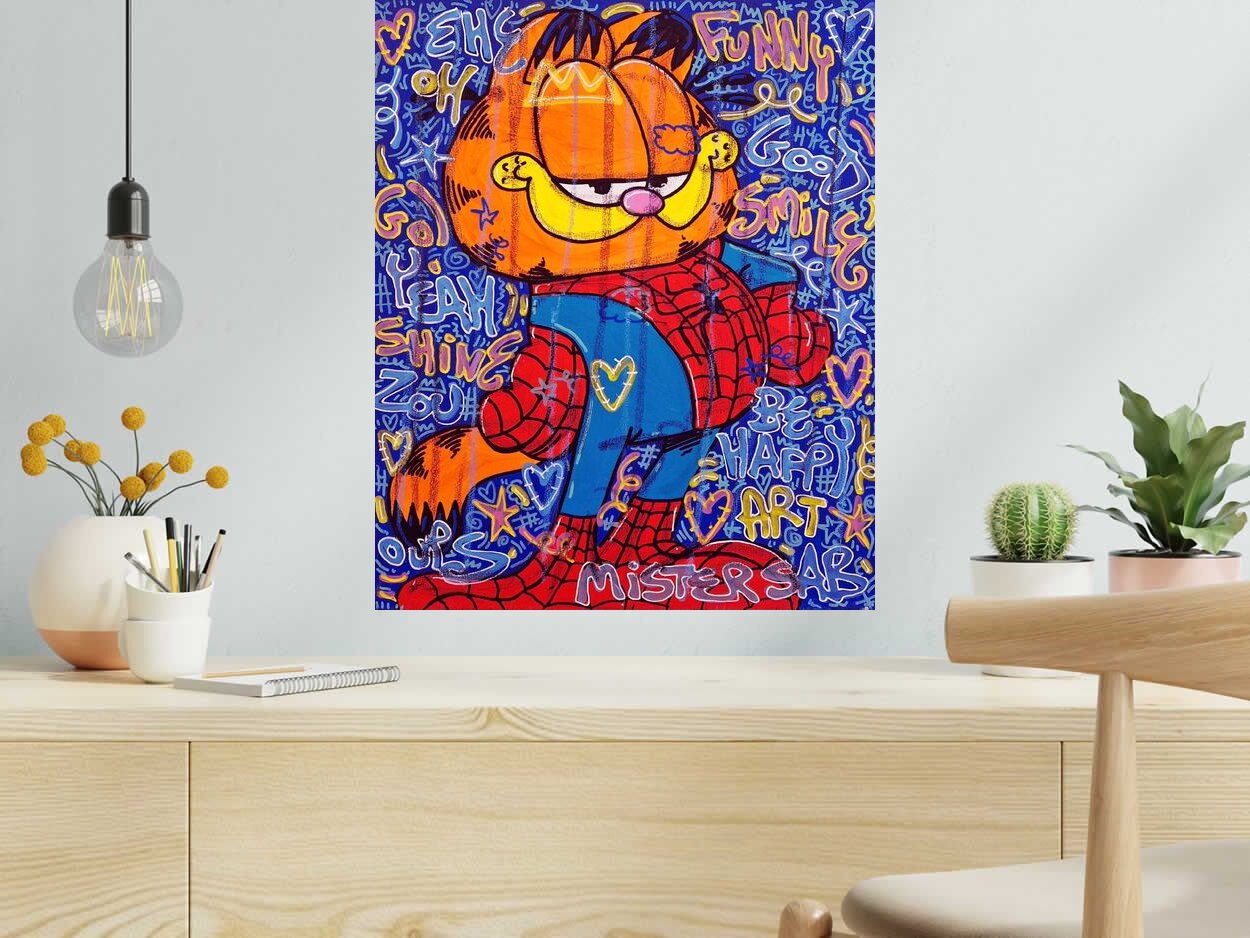
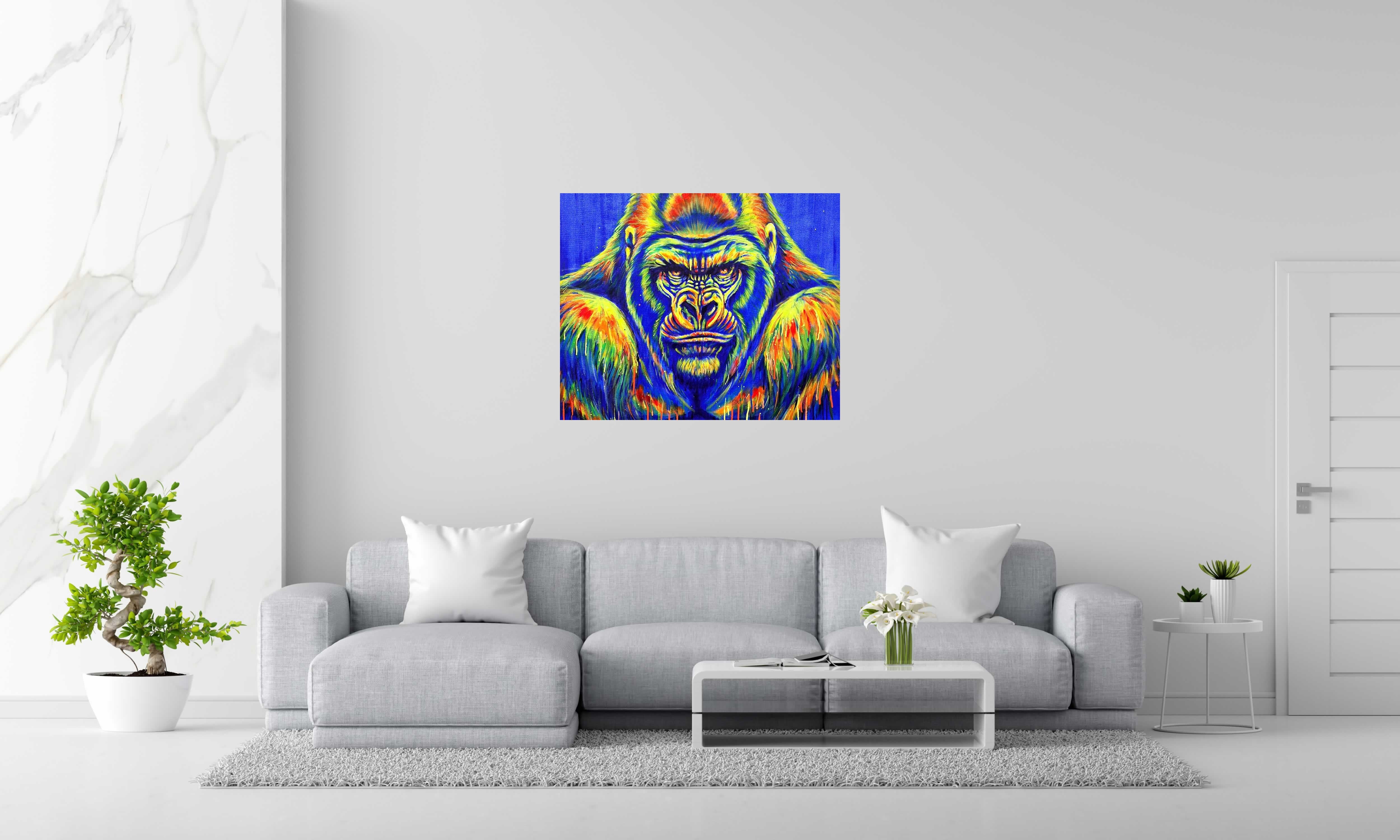
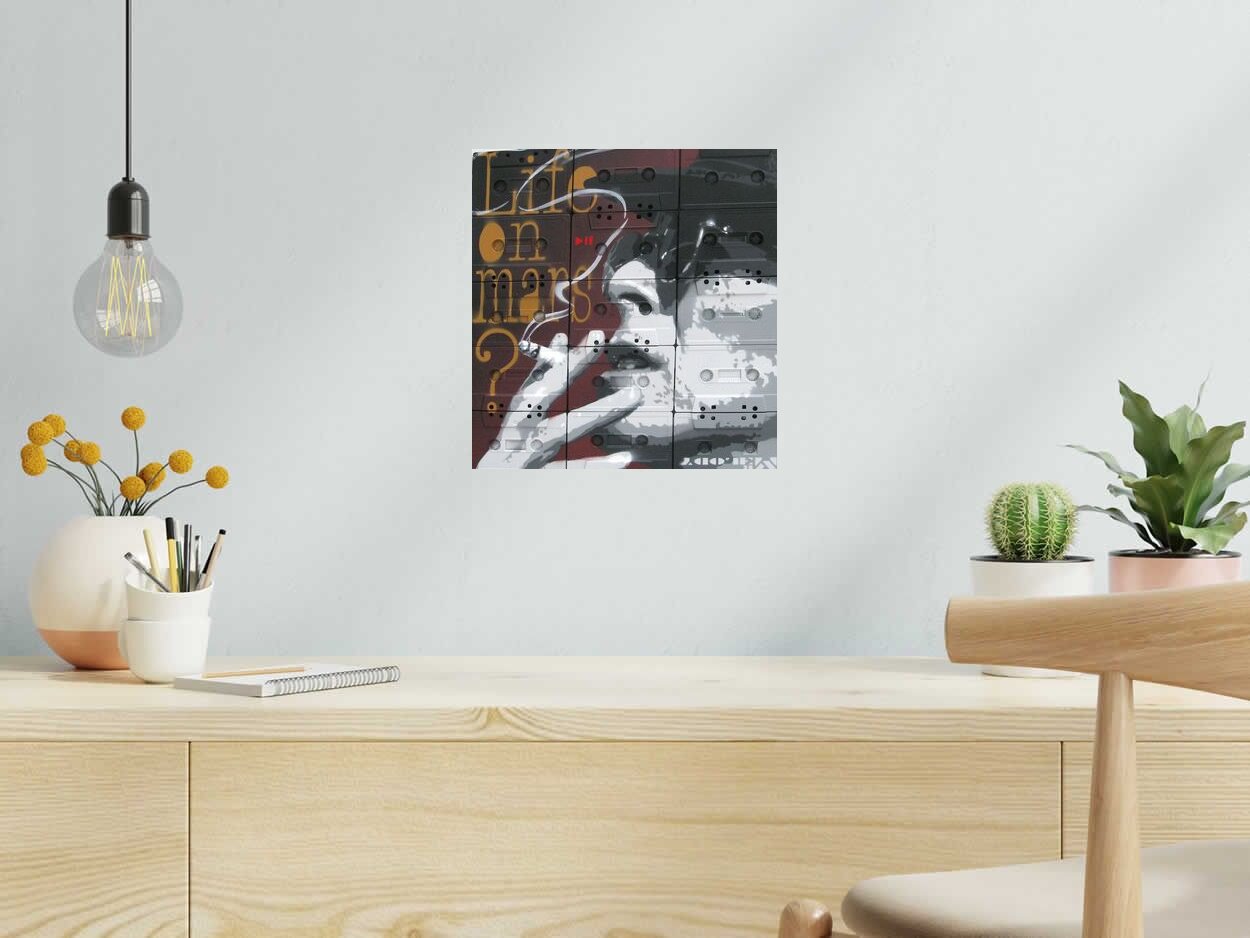
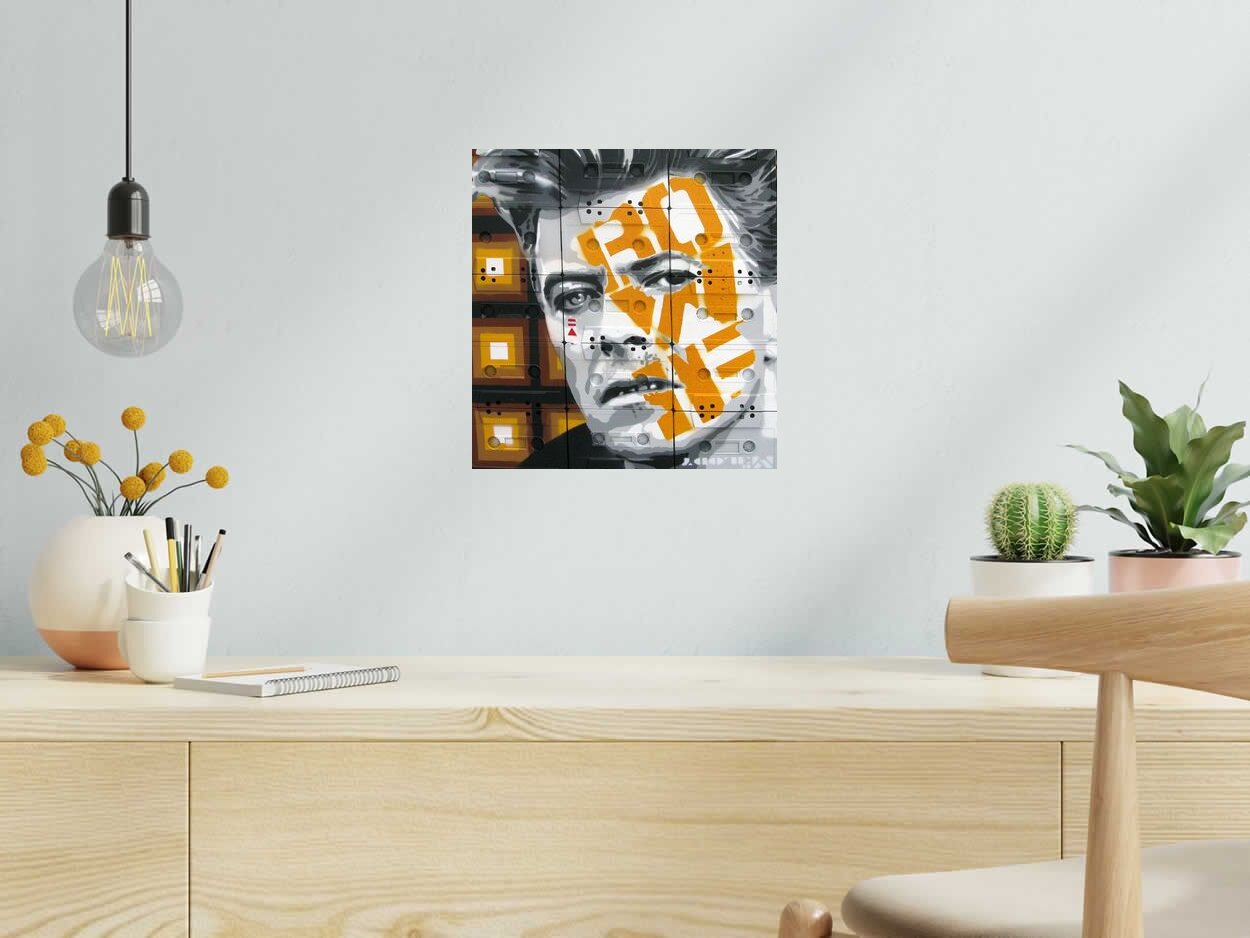
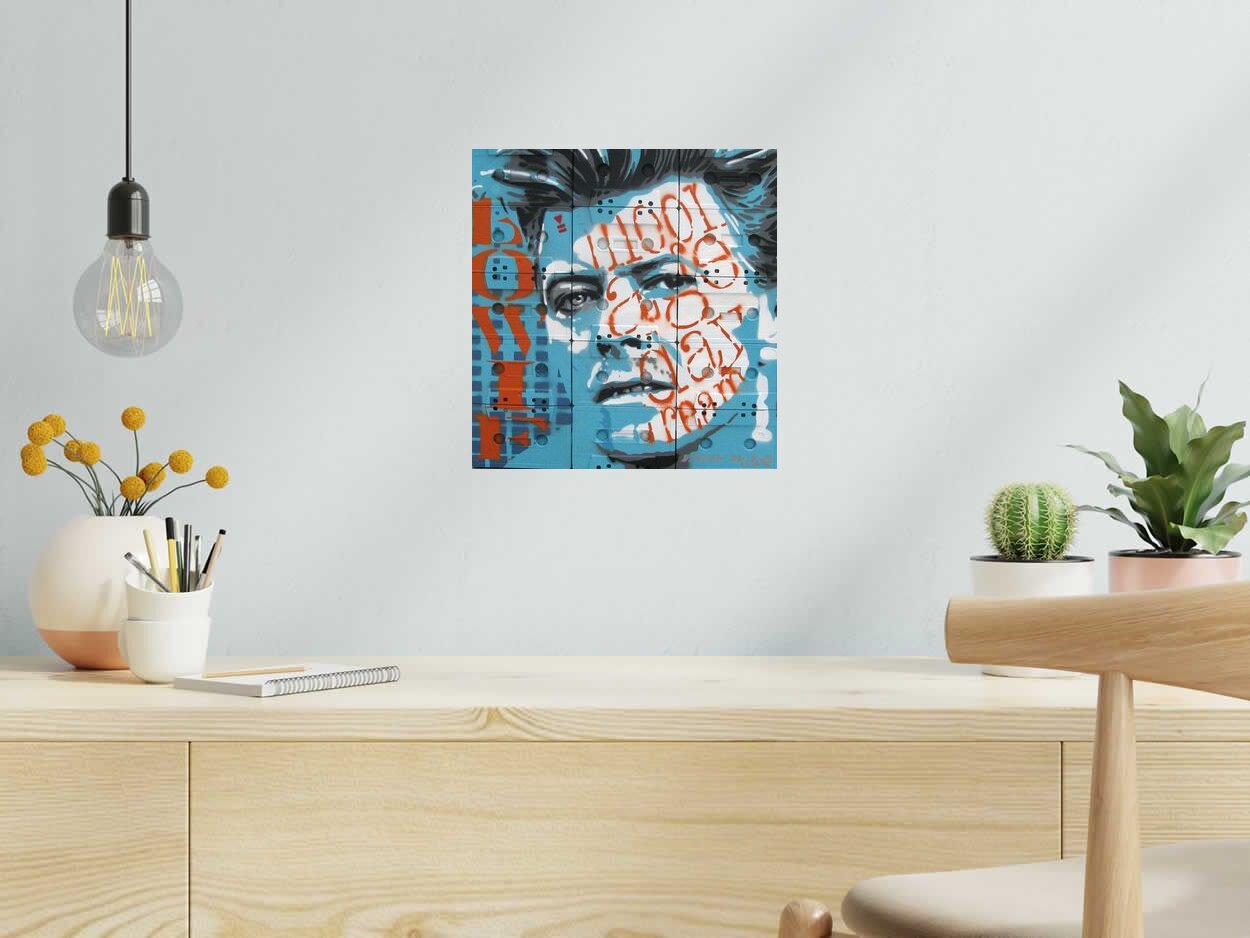
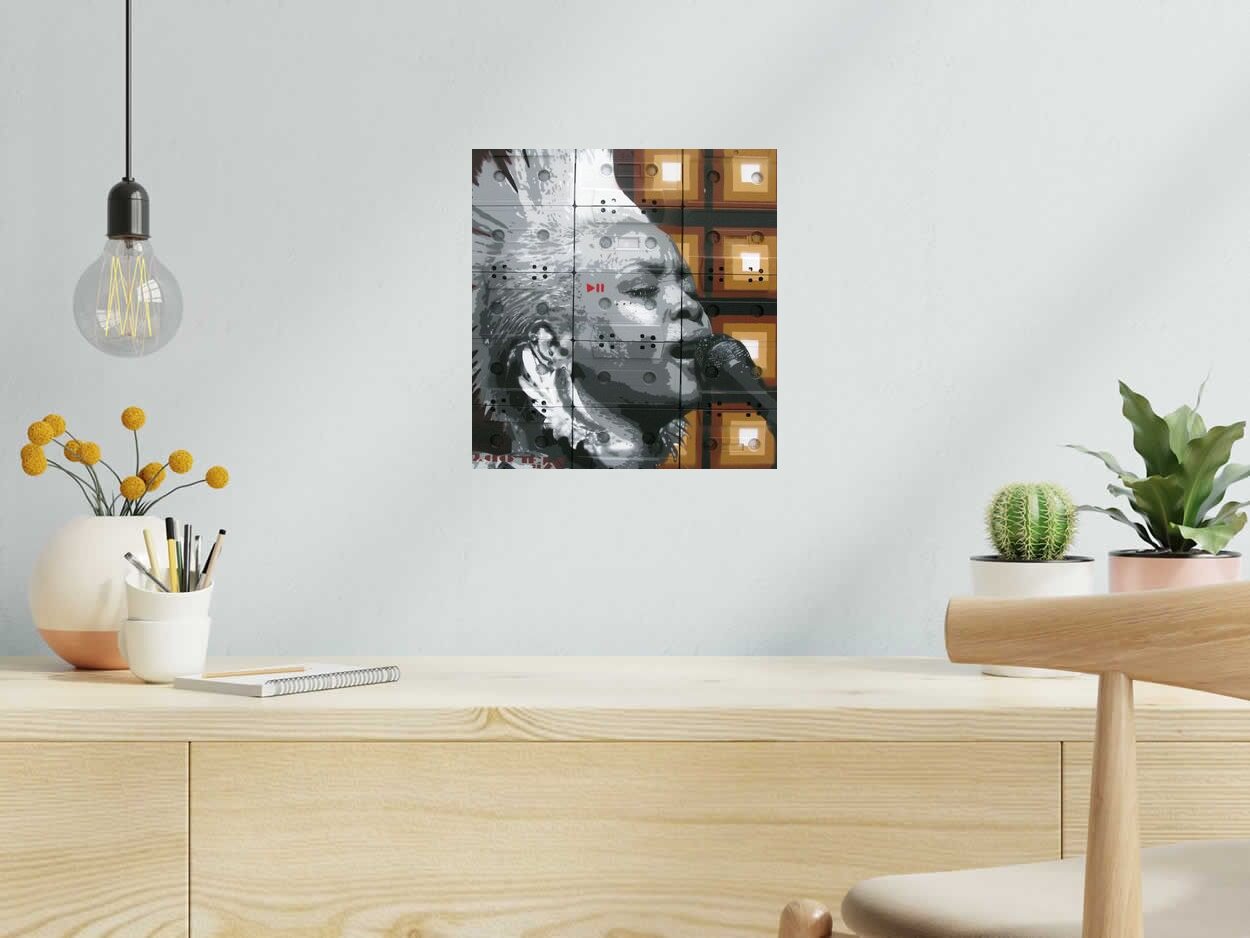
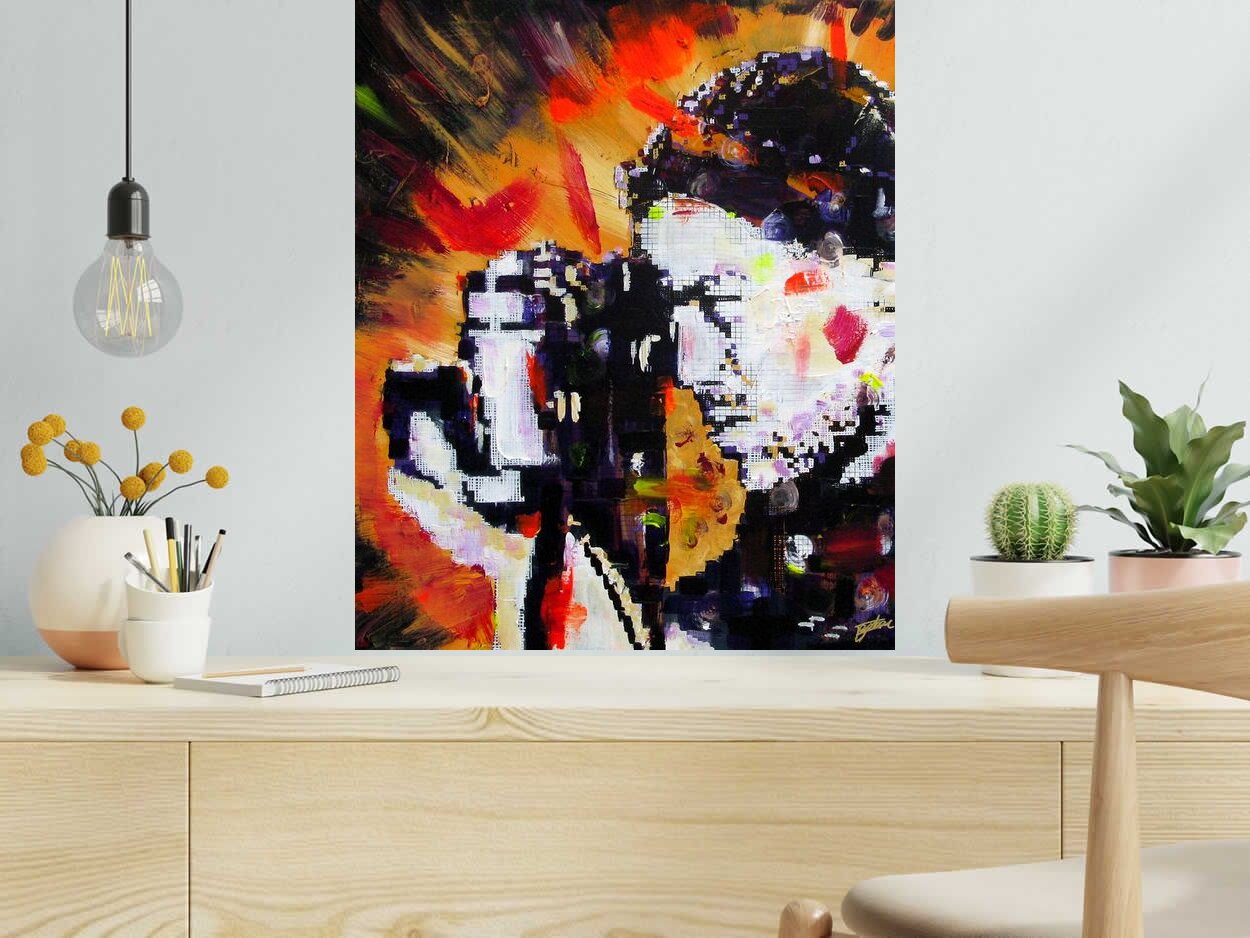
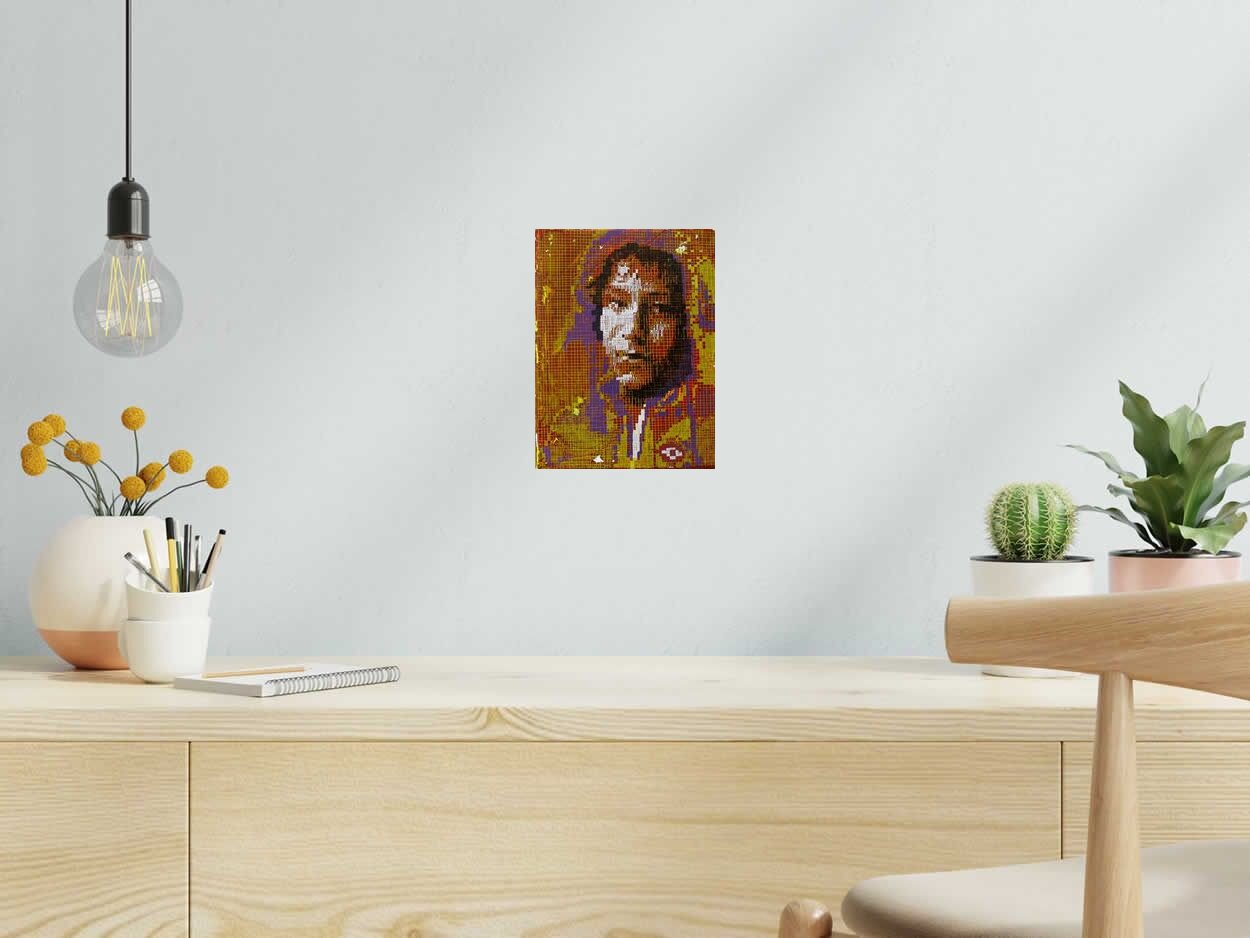
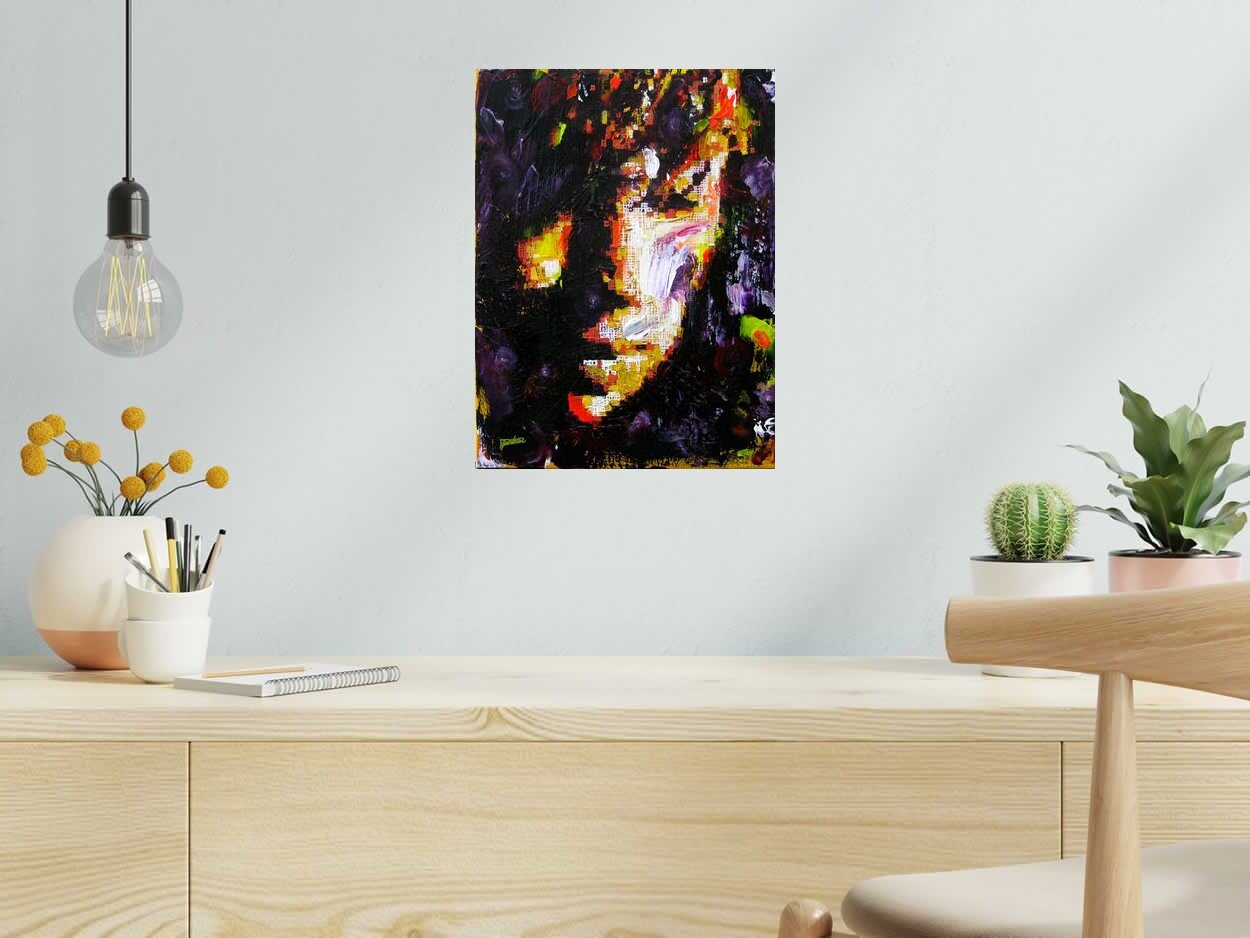
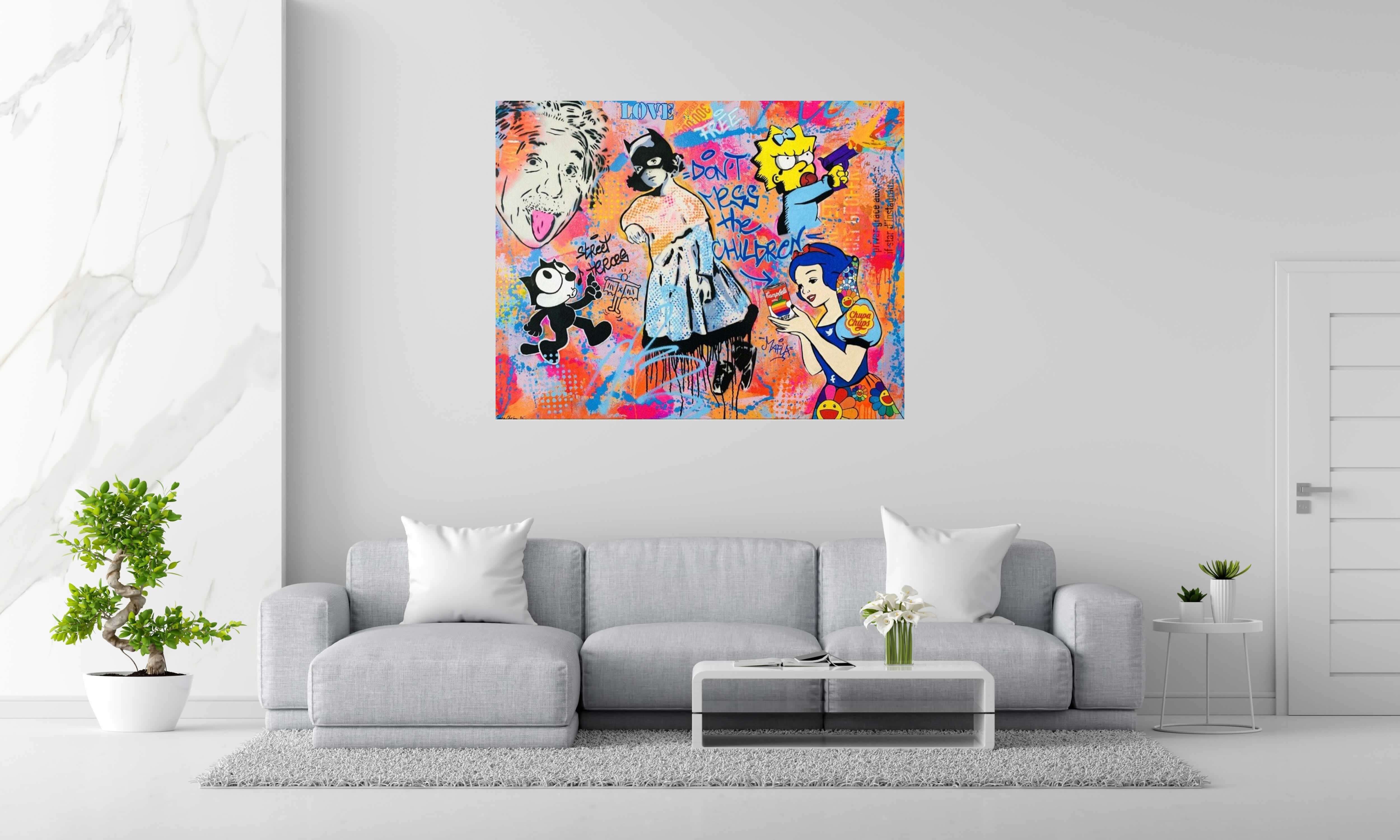
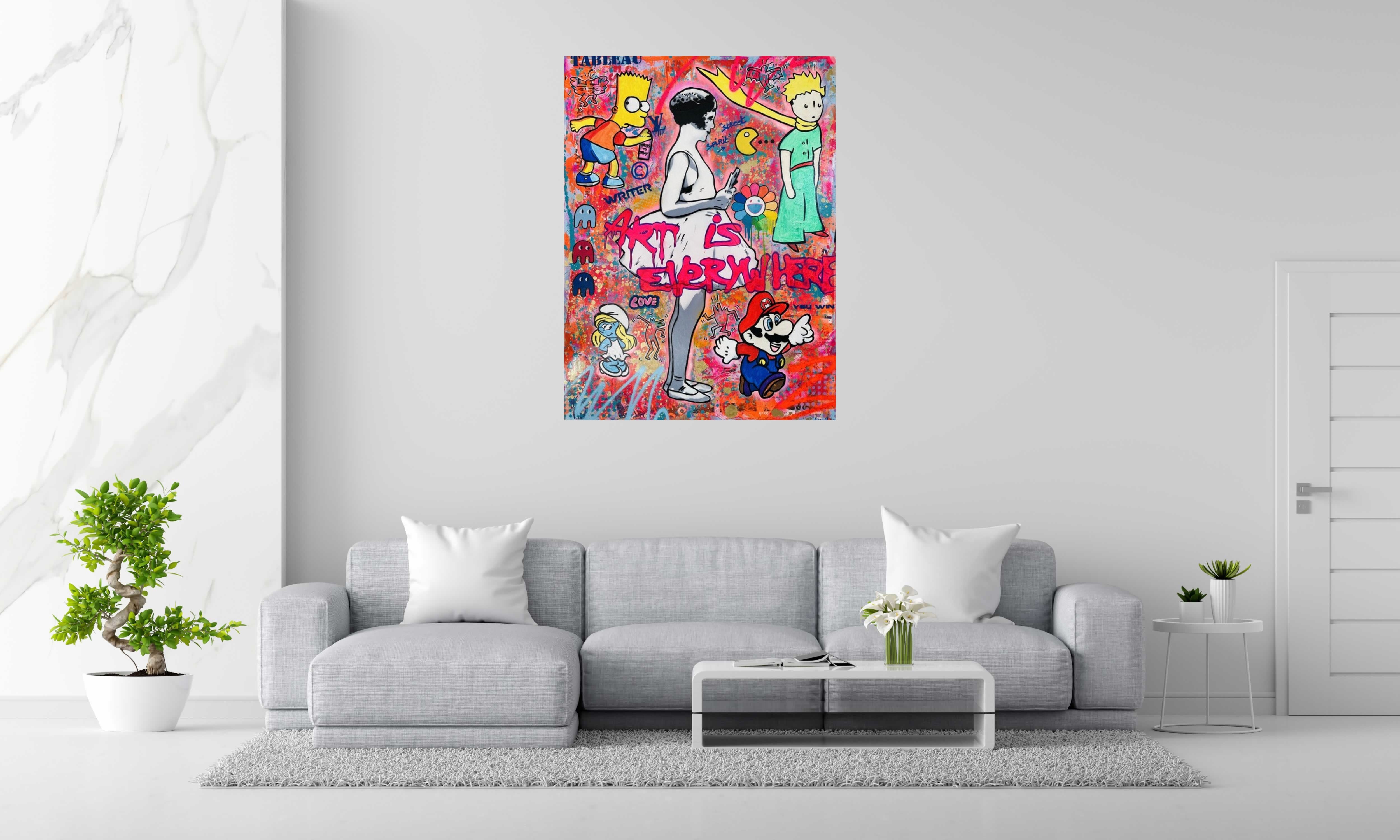
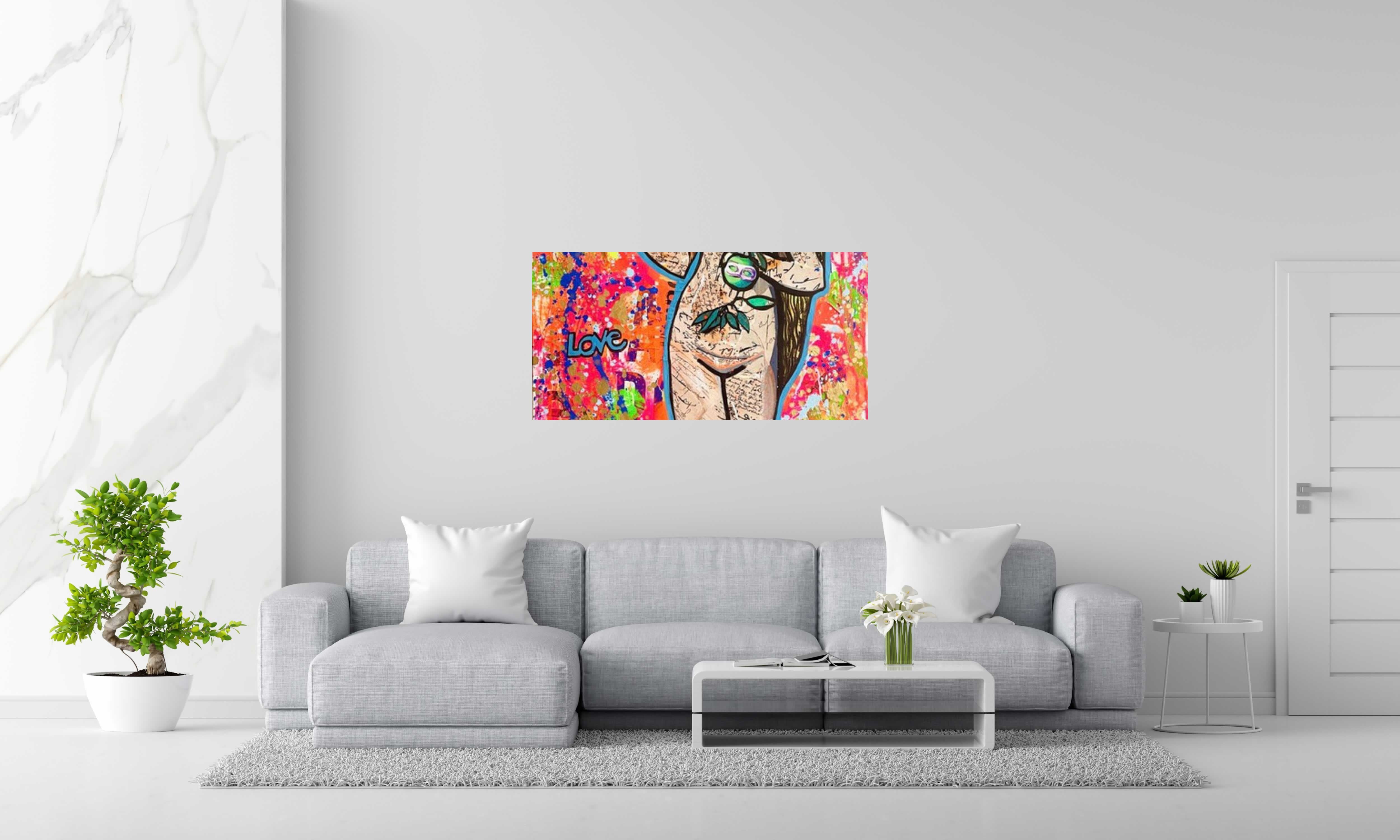
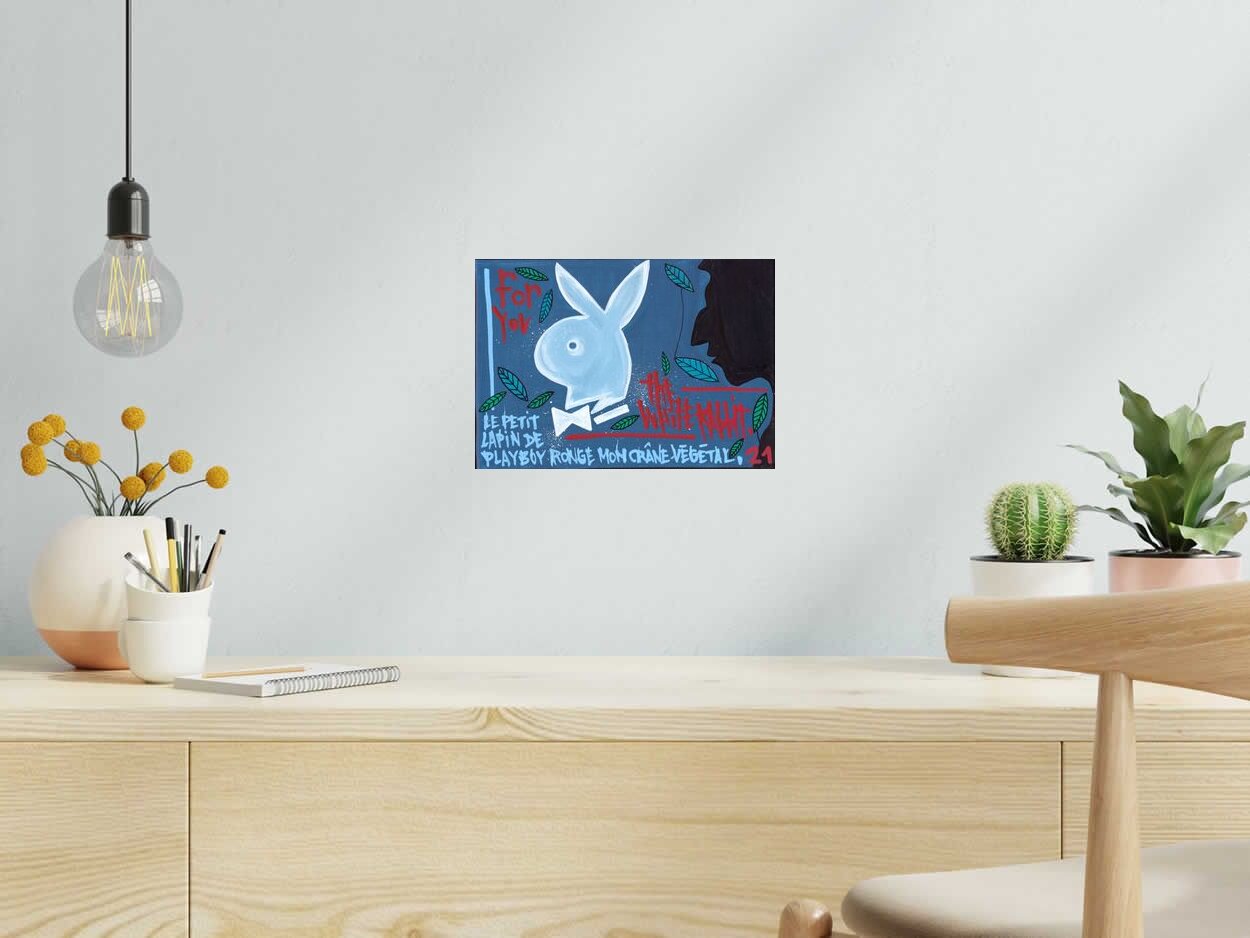
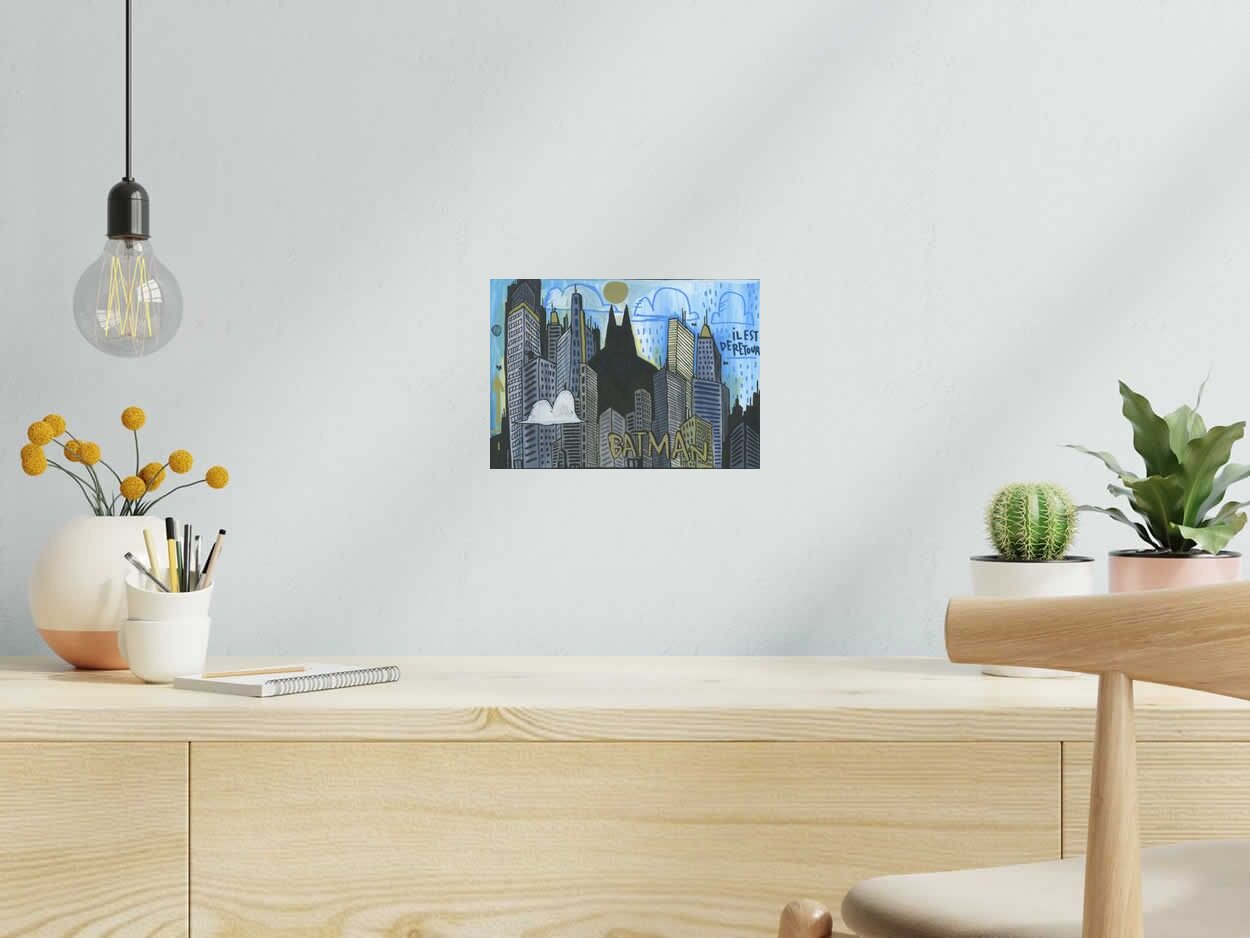
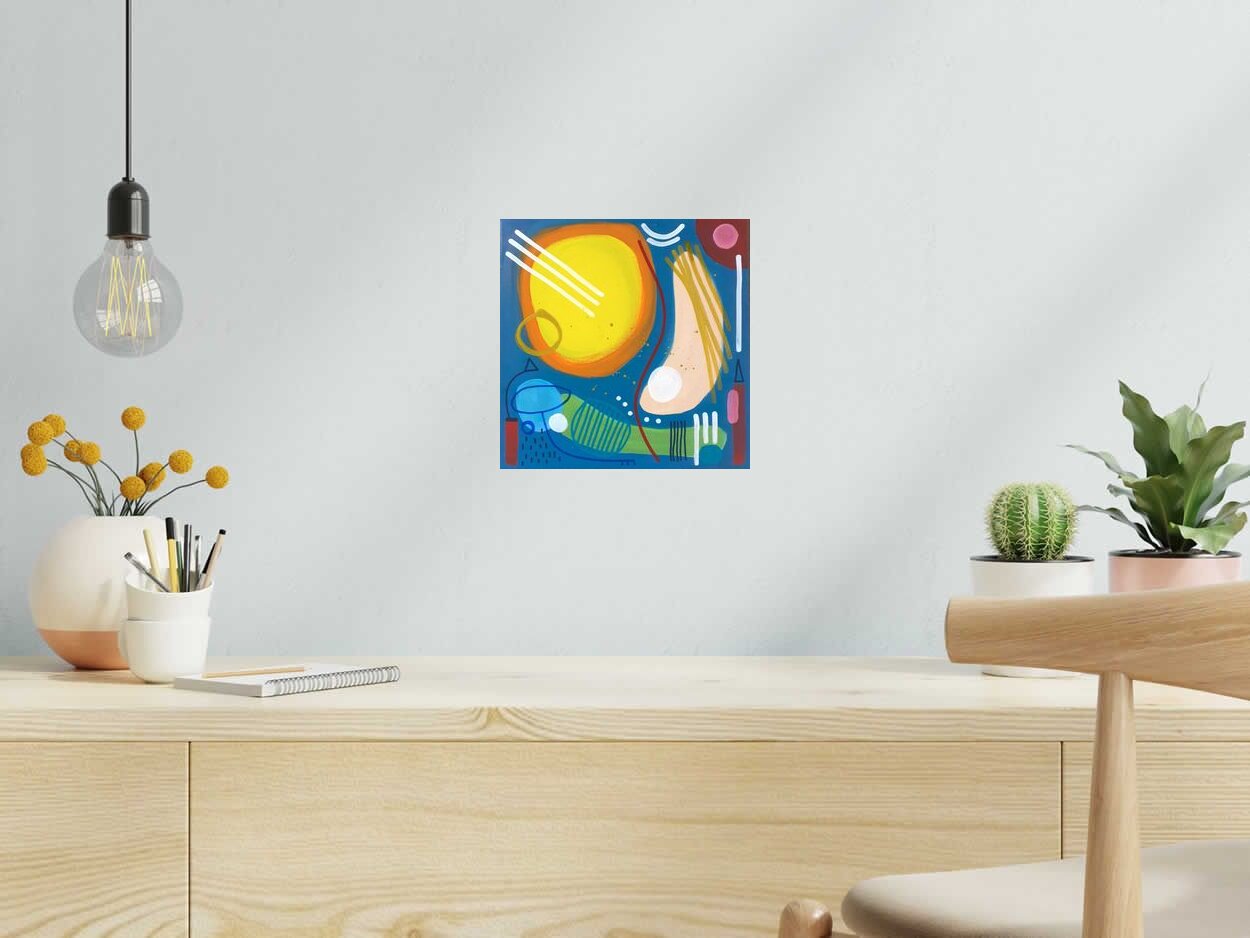
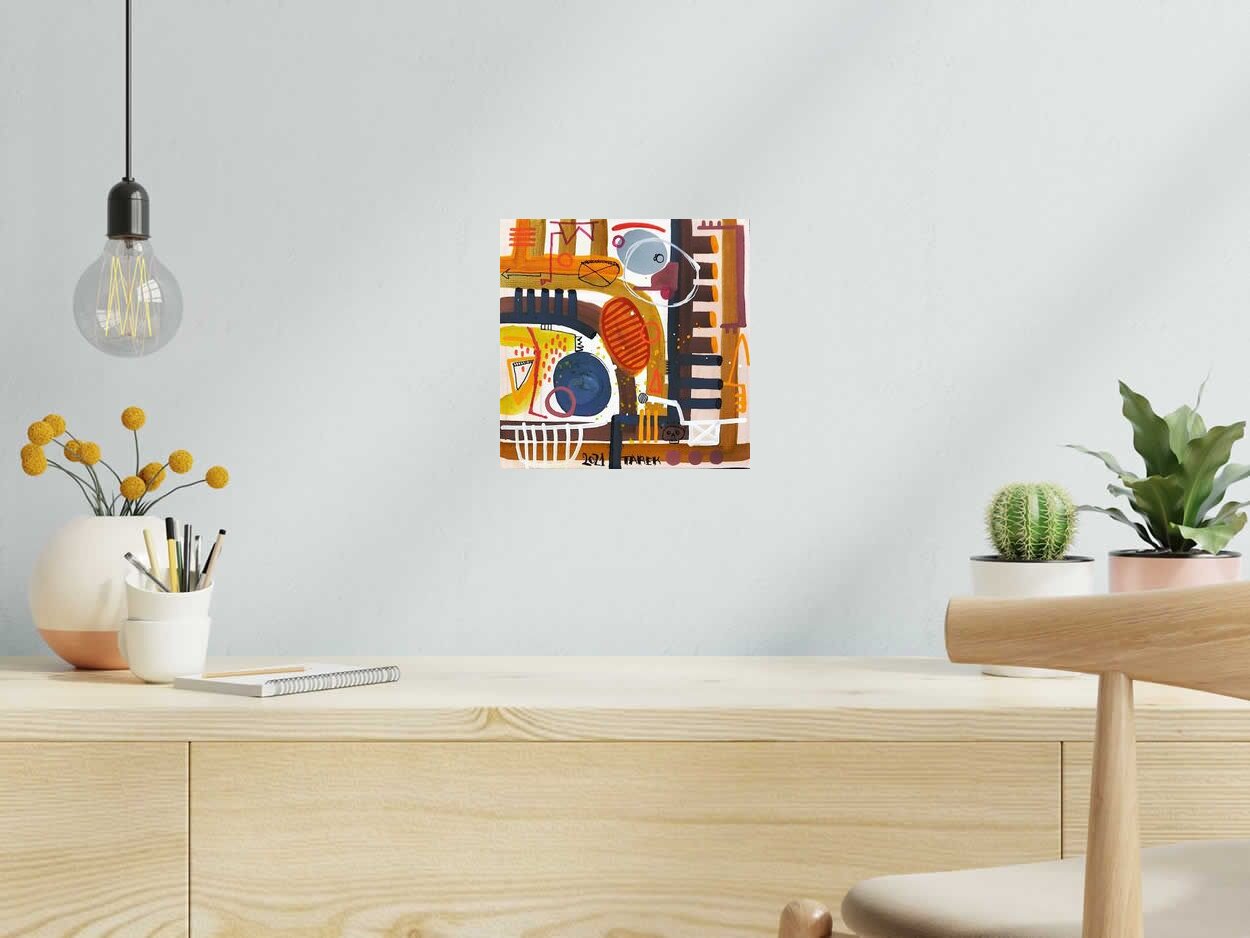
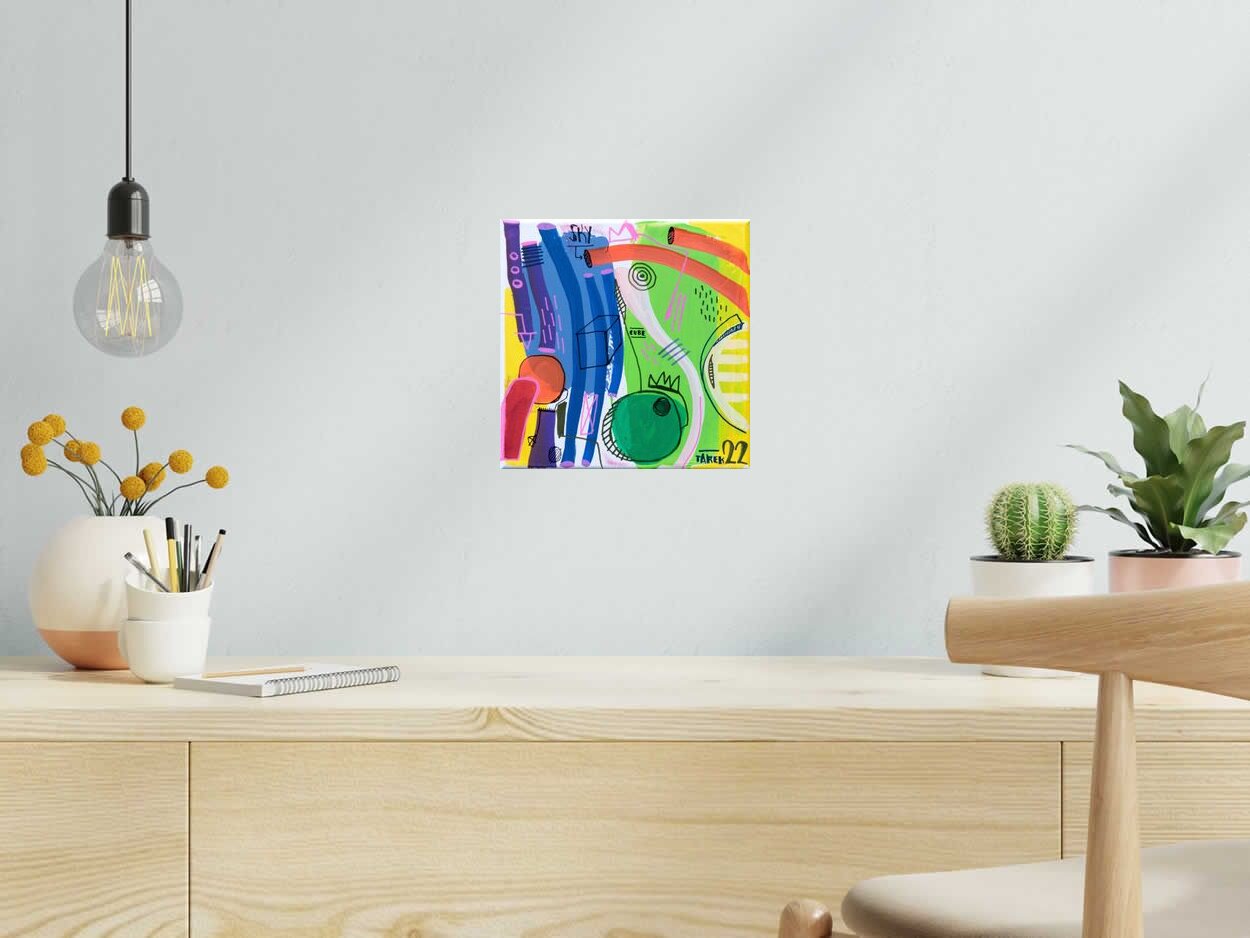
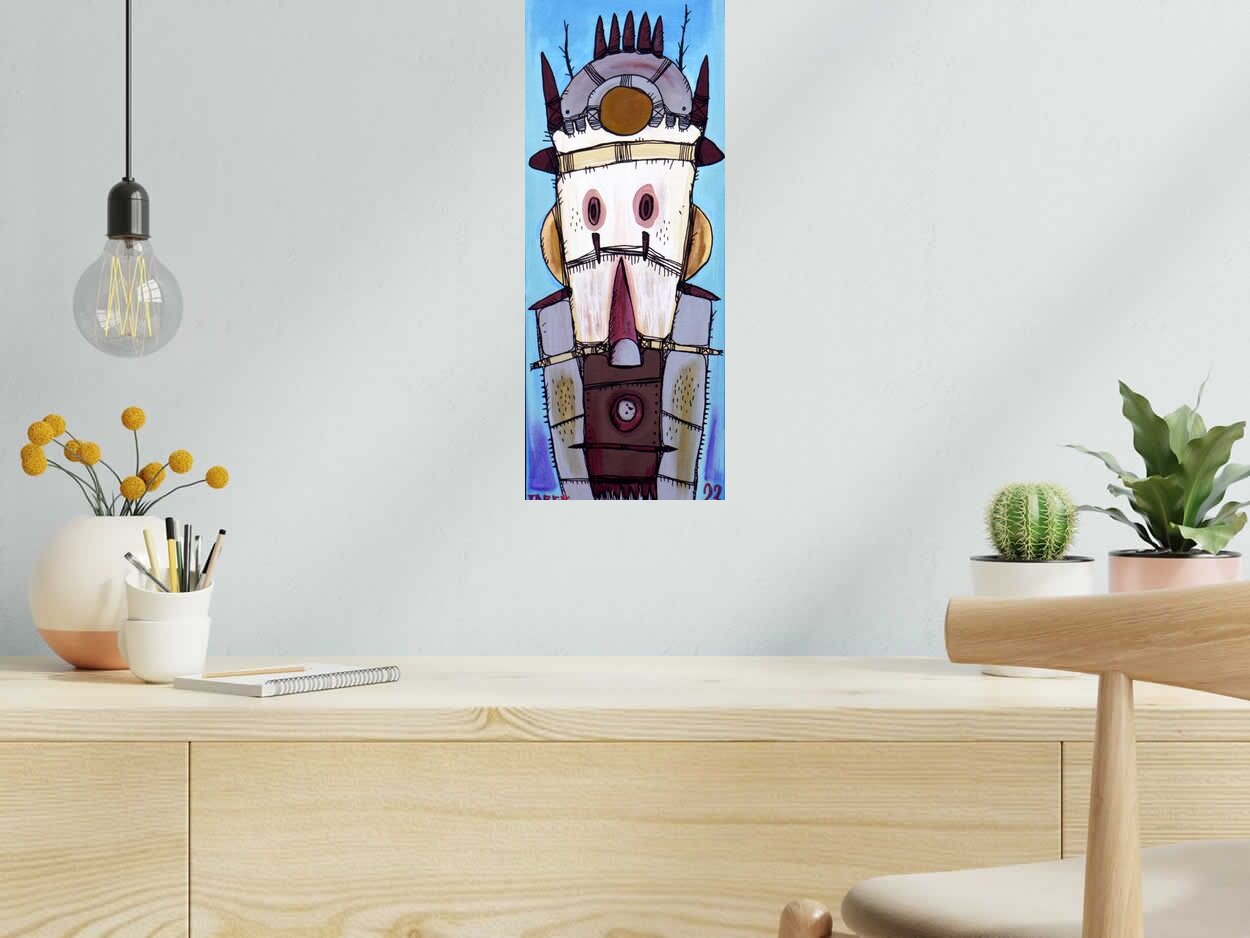
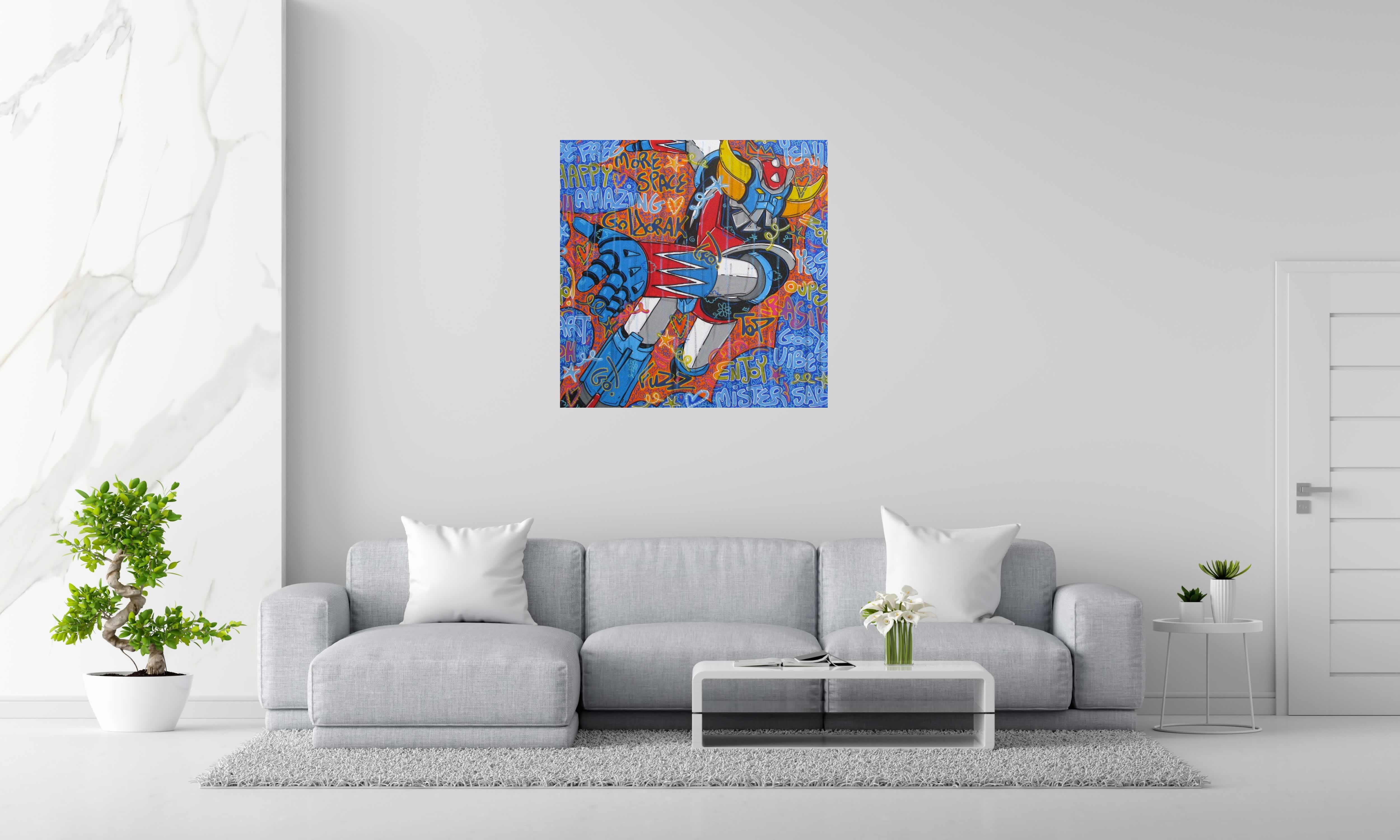
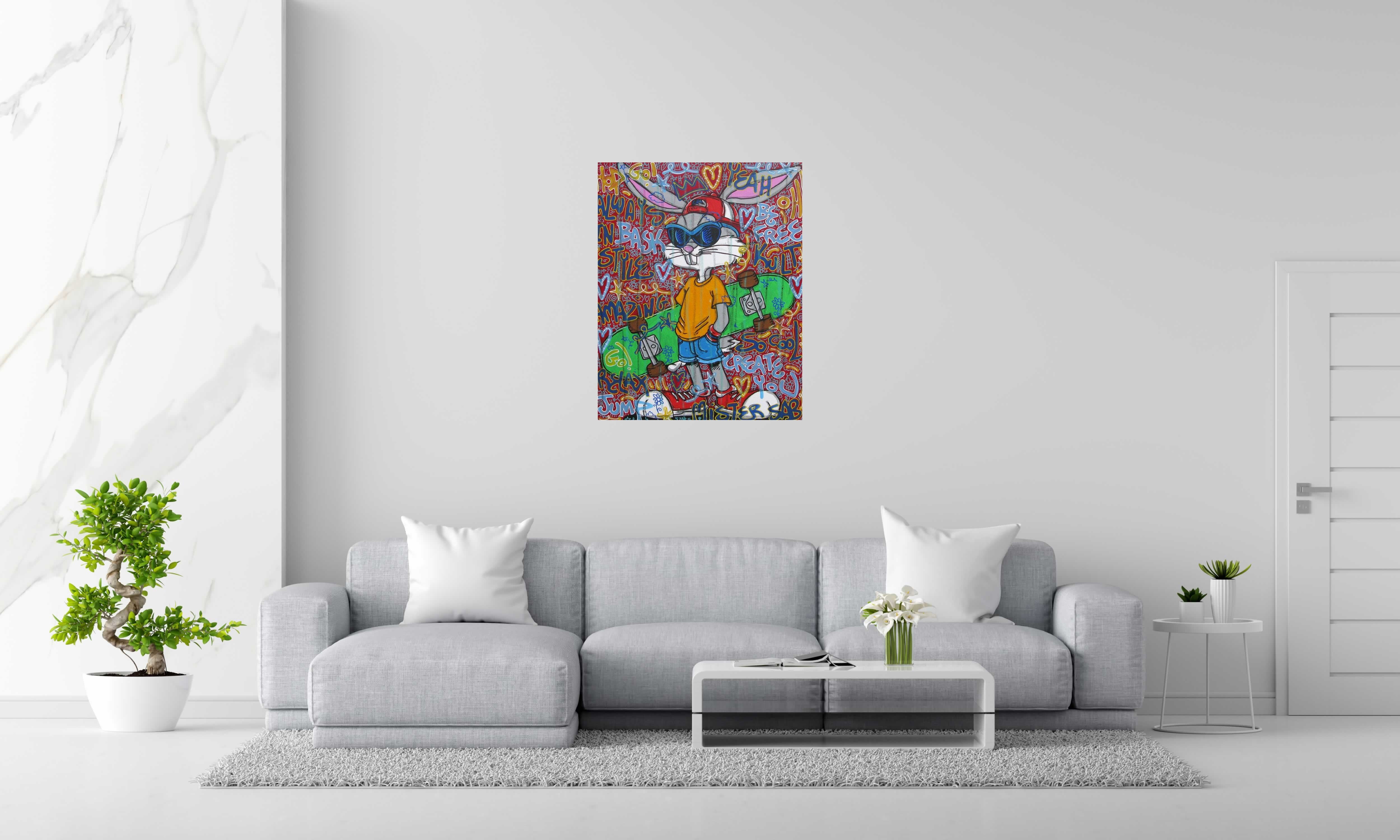
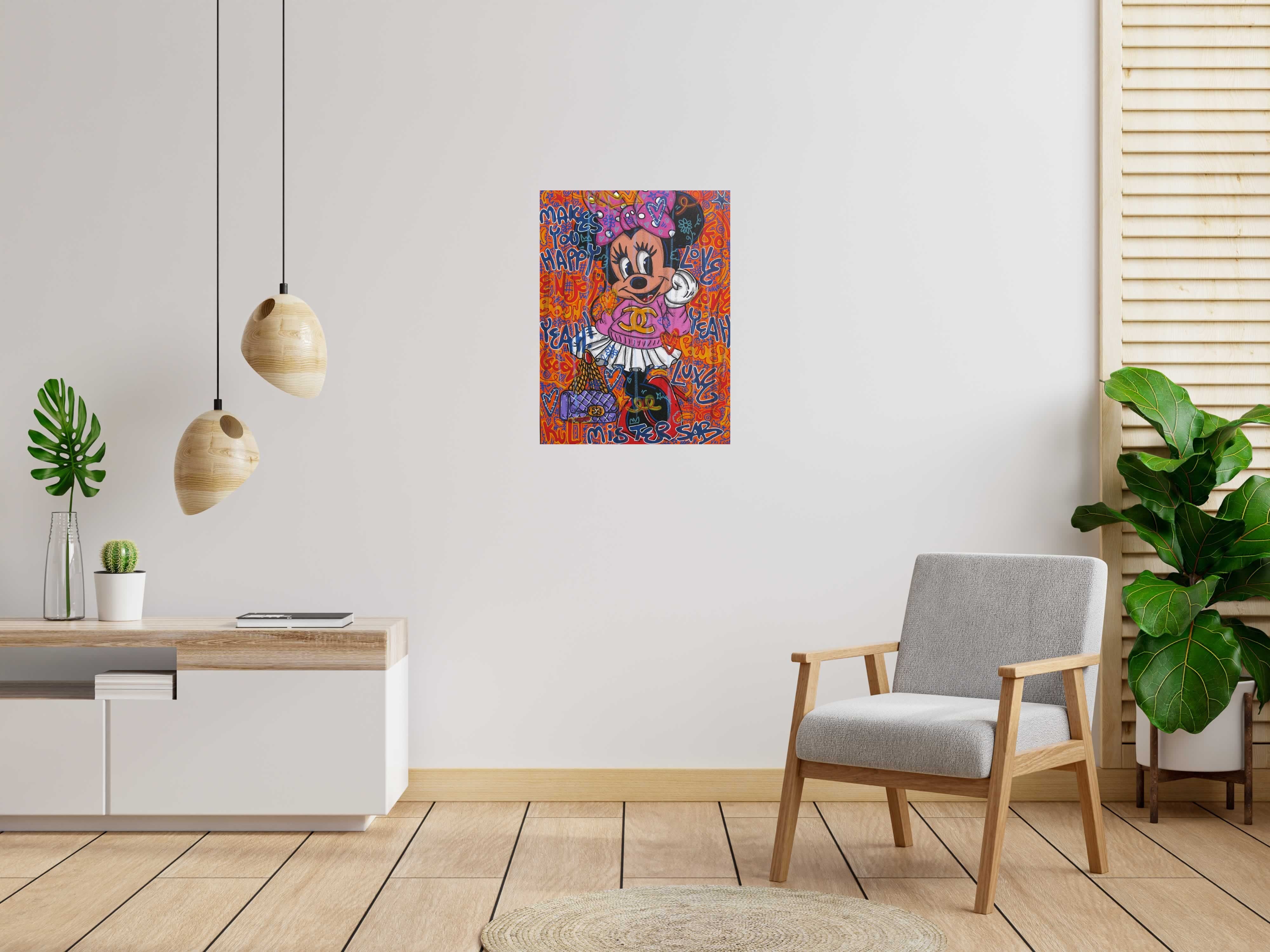
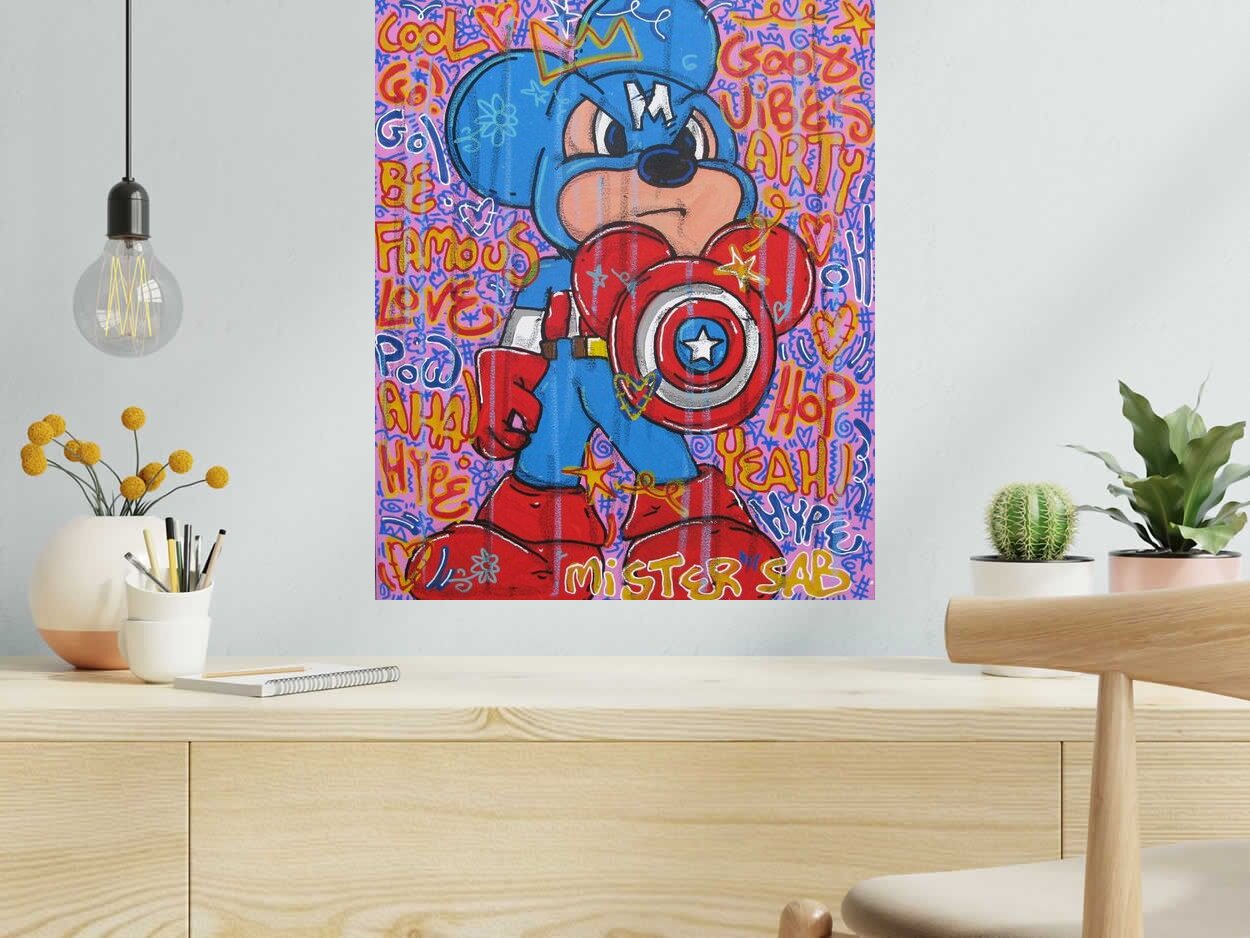
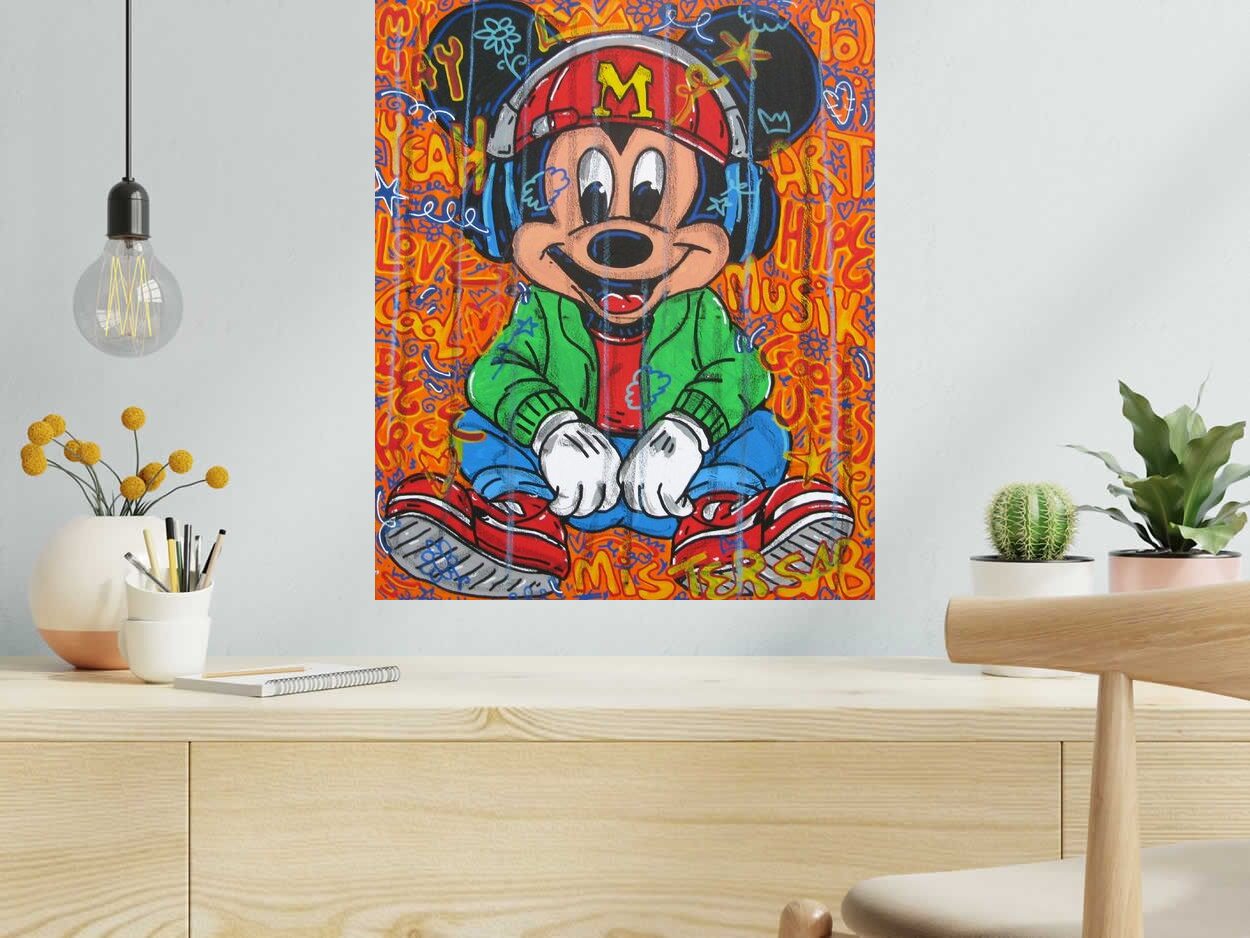
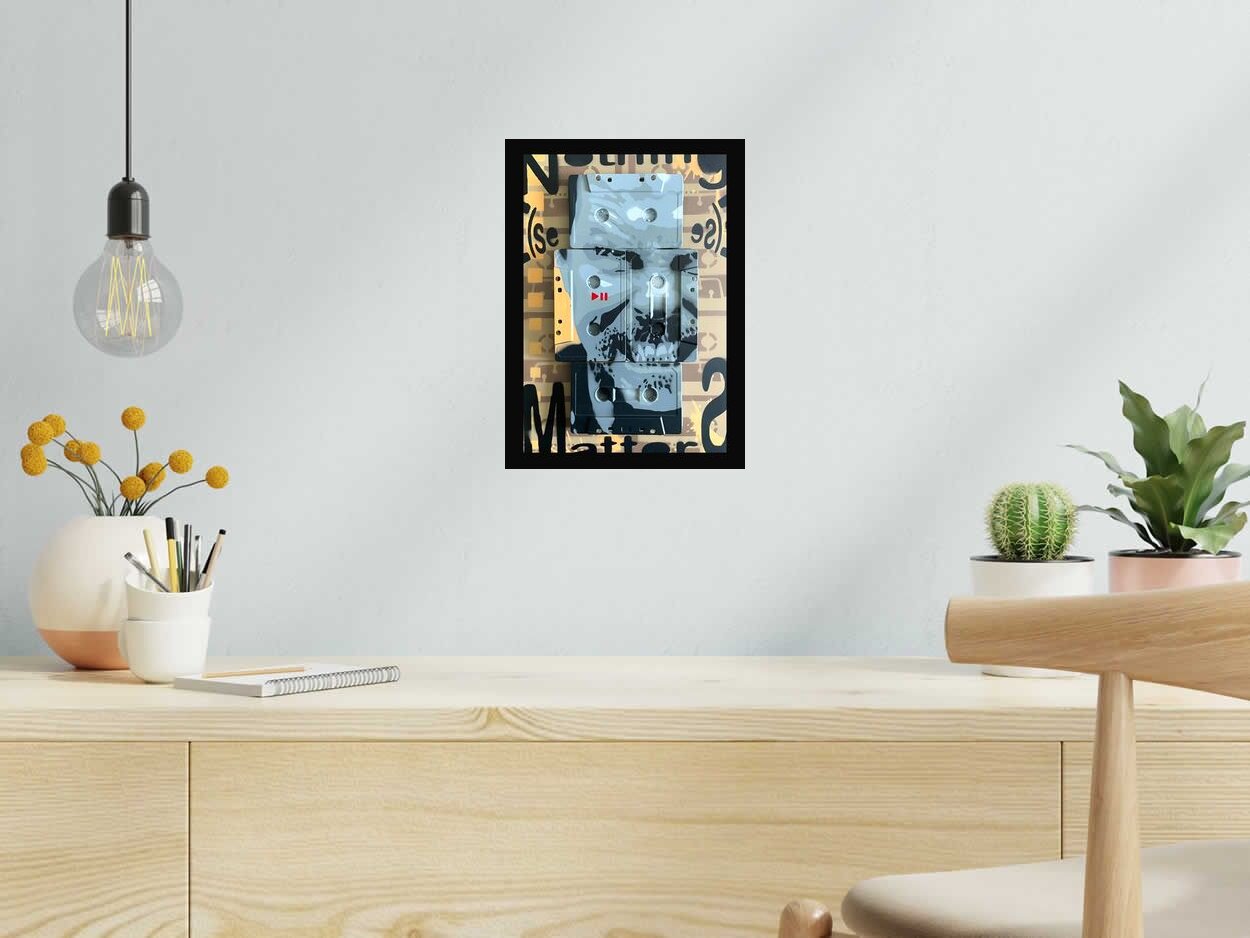
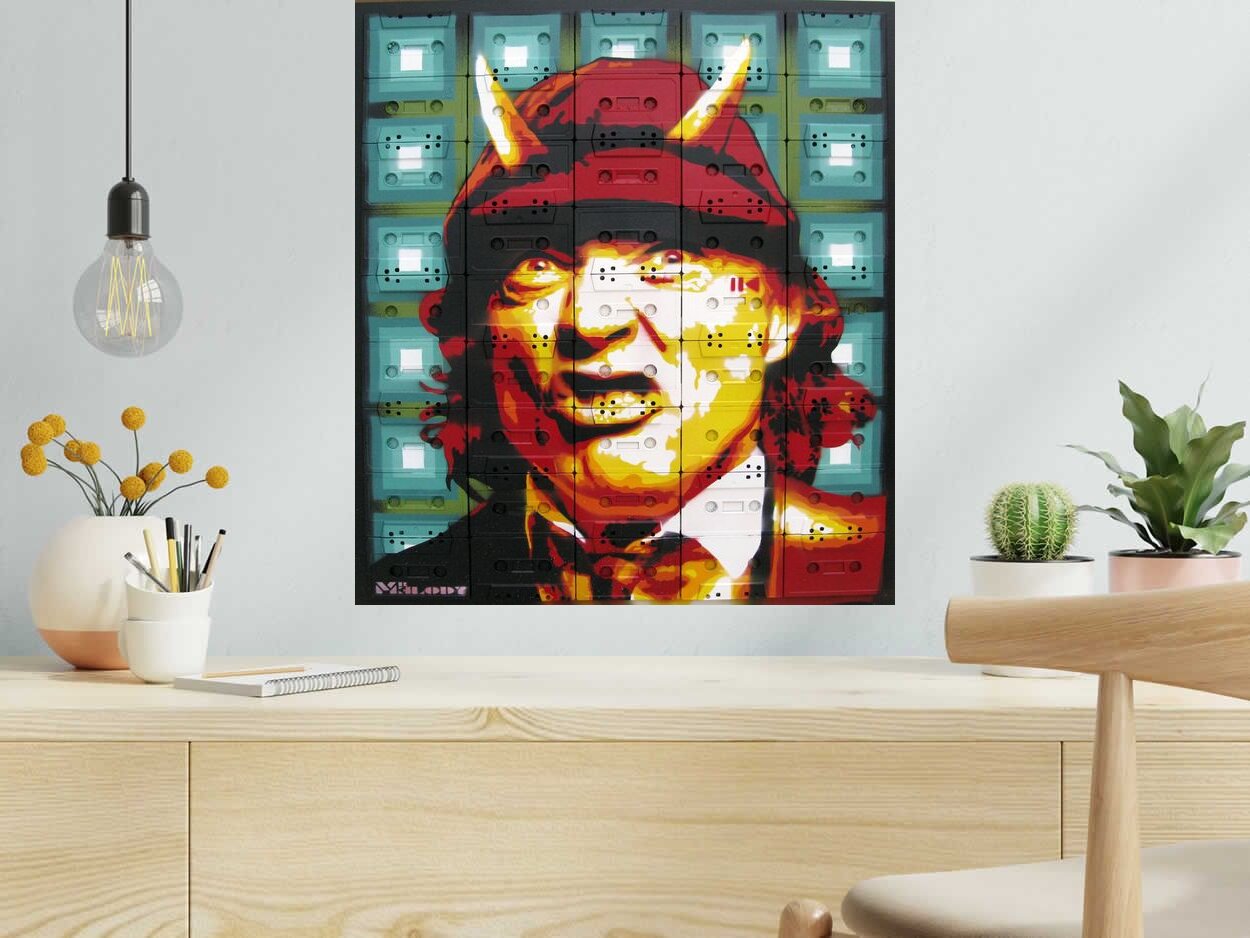
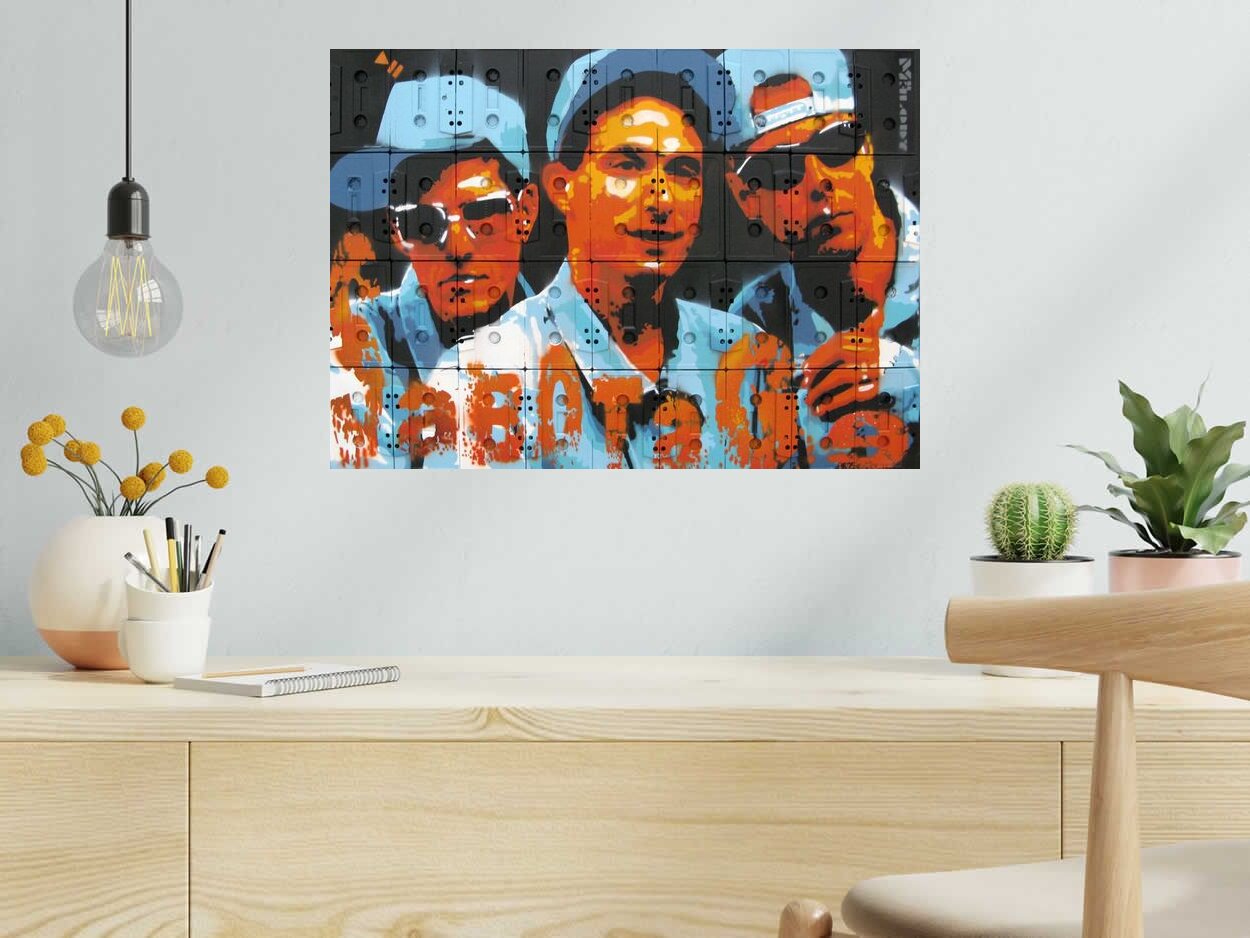
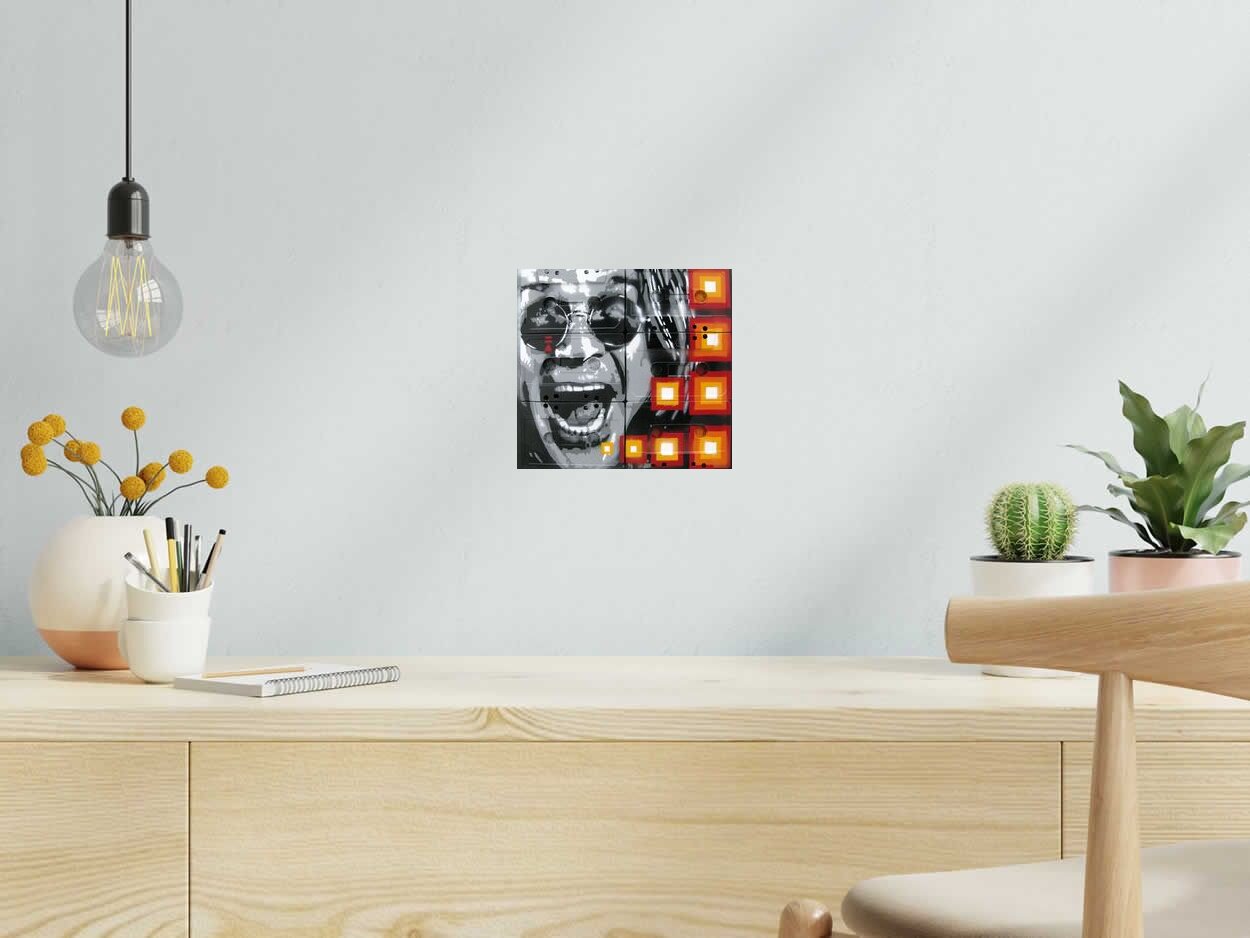
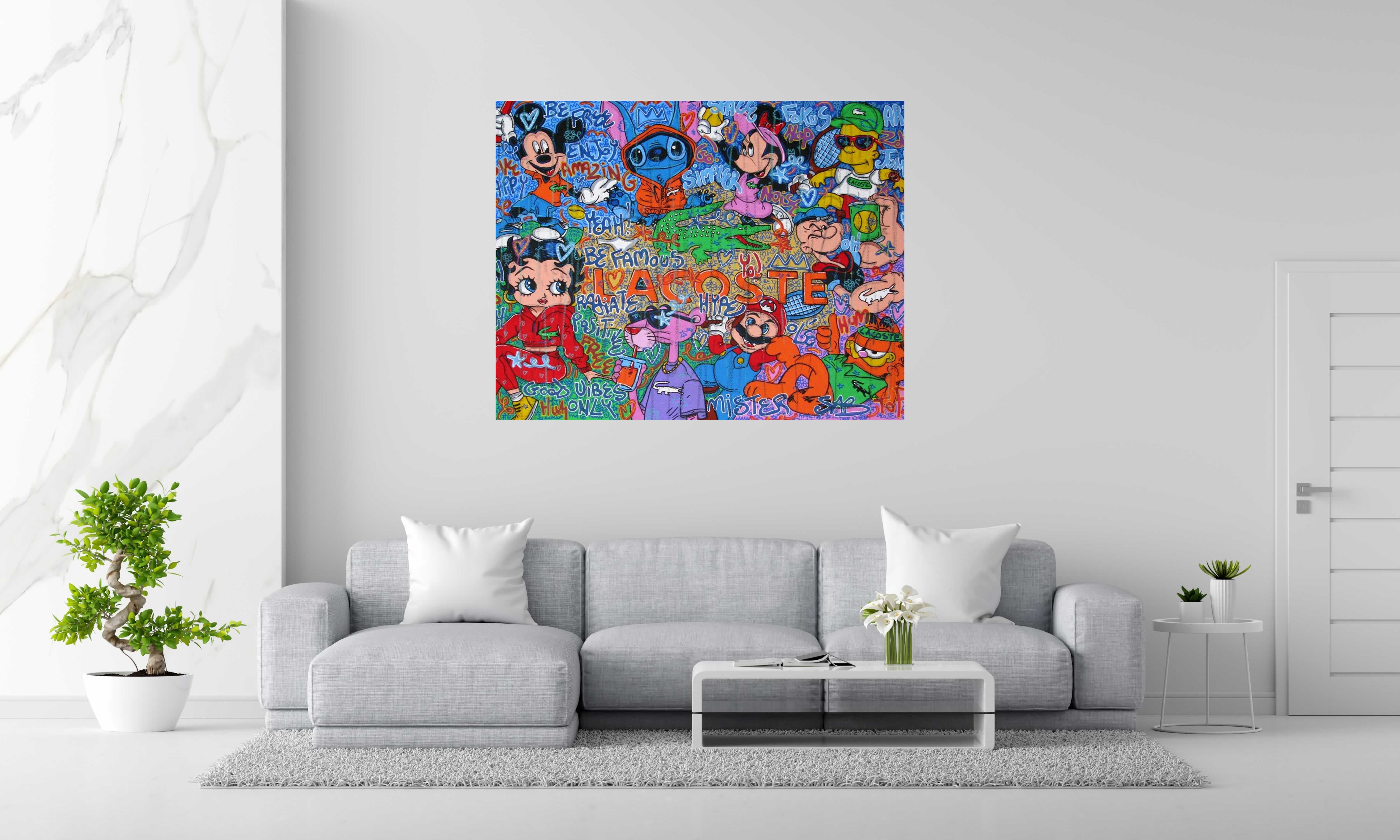
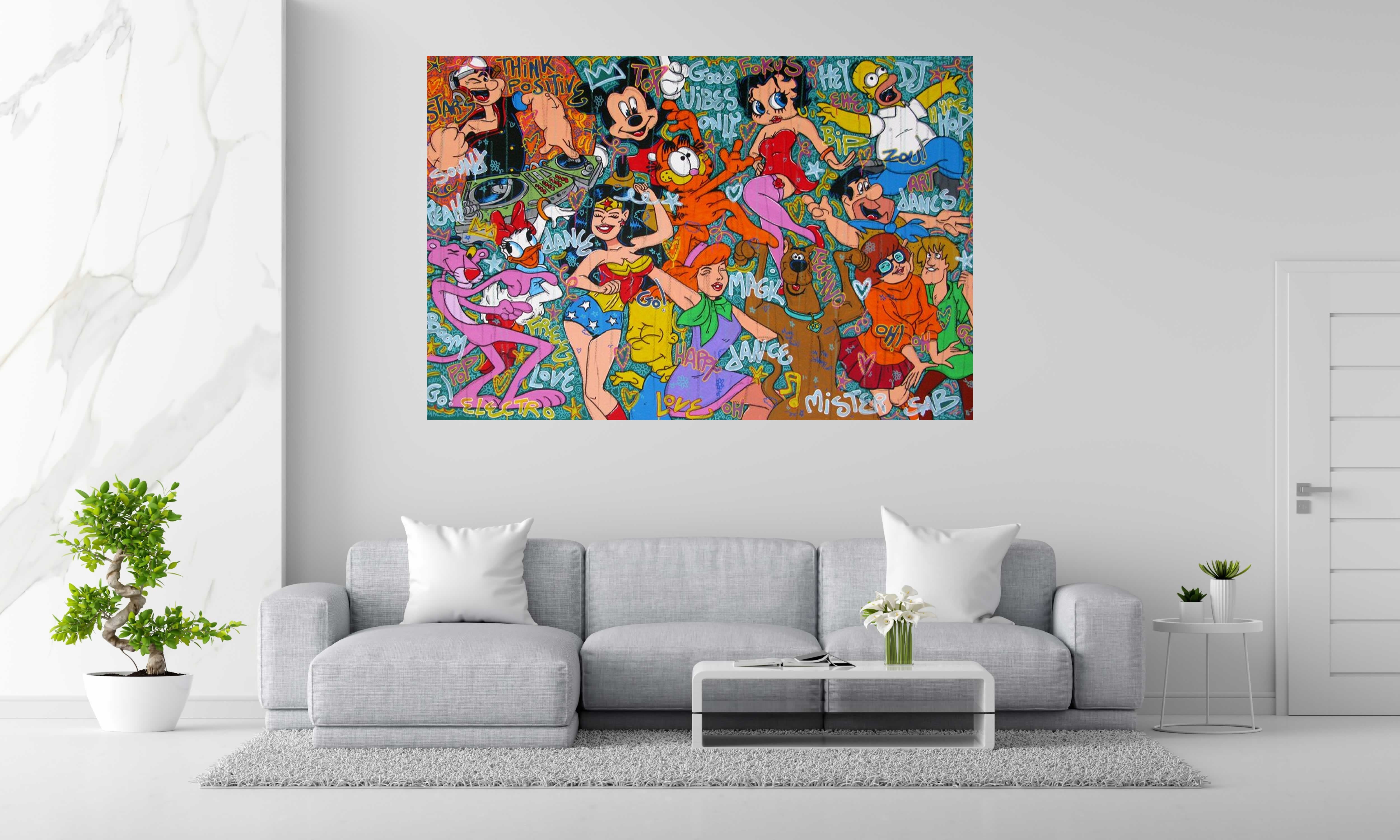
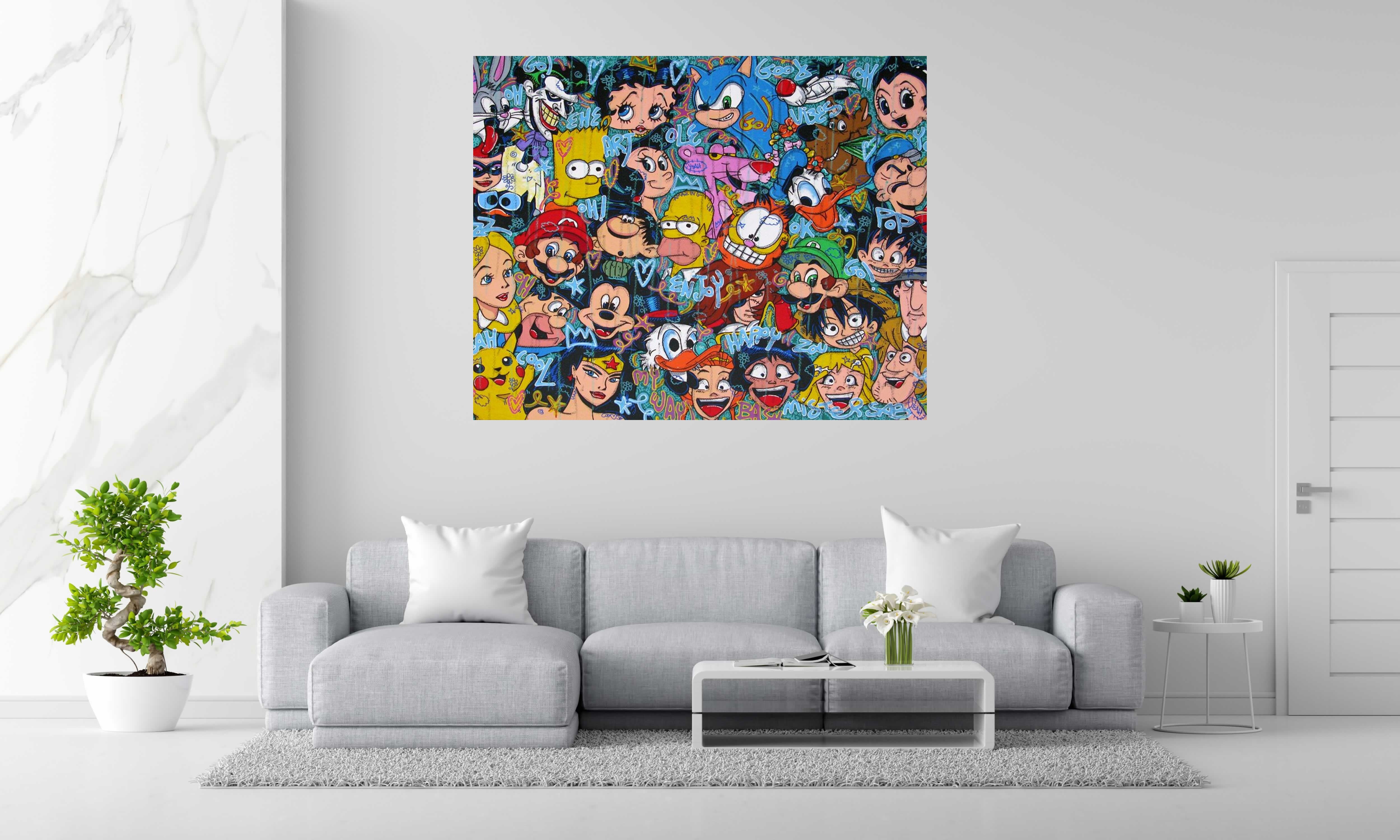
This visual energy makes Street Pop Art a particularly popular choice for contemporary decoration. A Street Pop Art piece naturally attracts the eye and brings personality, modernity, and dynamism to an interior.
Whether it's a living room, an office, a loft, or a professional space, these creations often become the focal point of the room.
## Between Artistic Heritage and Modernity
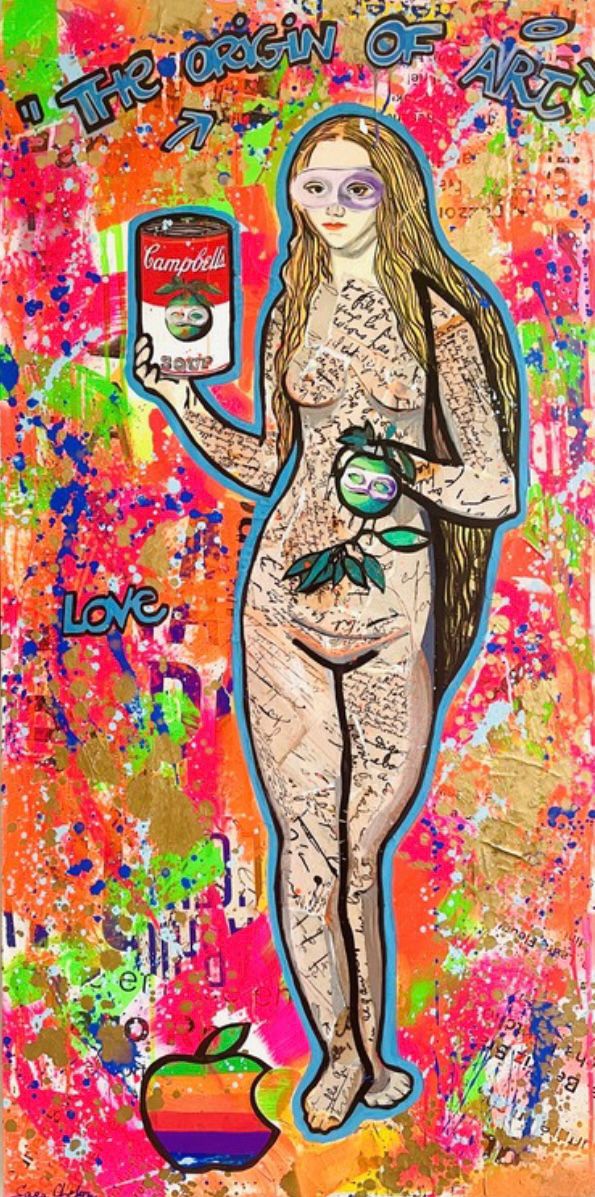
Contrary to some misconceptions, Street Pop Art does not break with the history of art. On the contrary, it maintains a constant dialogue with great masters and emblematic works of the past.
Many artists thus revisit famous paintings, historical portraits, or classical compositions to offer them a new reading adapted to contemporary issues.
This ability to combine artistic heritage and popular culture is one of the great riches of Street Pop Art. The movement manages to make art accessible while retaining genuine cultural depth.
## Art That Conveys Messages
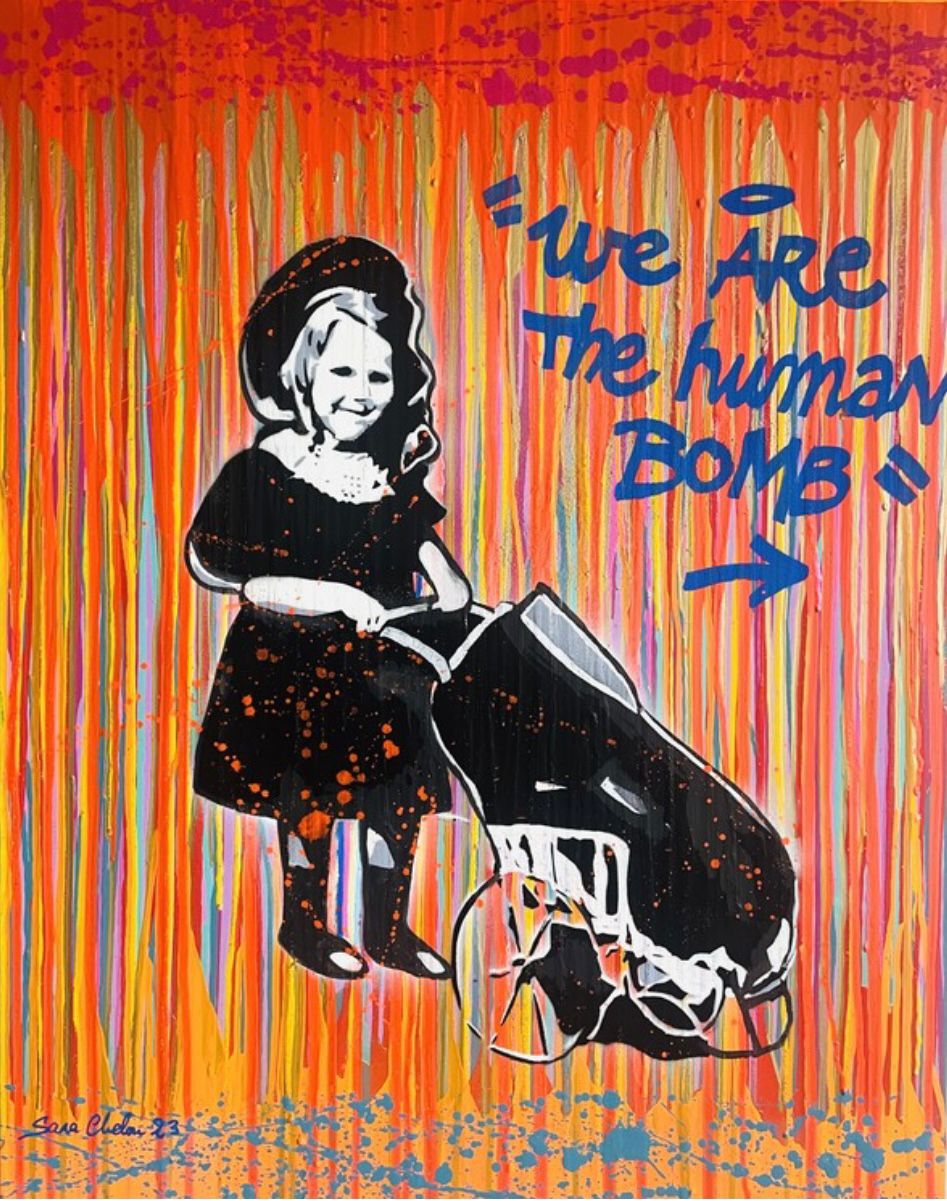
Behind its apparent lightness, Street Pop Art often offers a critical perspective on our society.
Artists notably question:
* consumer society;
* the cult of celebrity;
* the influence of media;
* the place of brands;
* the omnipresence of images;
* contemporary cultural developments.
Some works favor humor, others satire or denunciation. This committed dimension sometimes brings Street Pop Art closer to conceptual art and certain forms of activist contemporary art.
## The Great Figures of Street Pop Art
Street Pop Art has its origins in the works of major artists such as Andy Warhol, Roy Lichtenstein, and James Rosenquist.
Today, many contemporary artists continue this legacy by developing a personal universe mixing urban art, pop culture, and modern techniques.
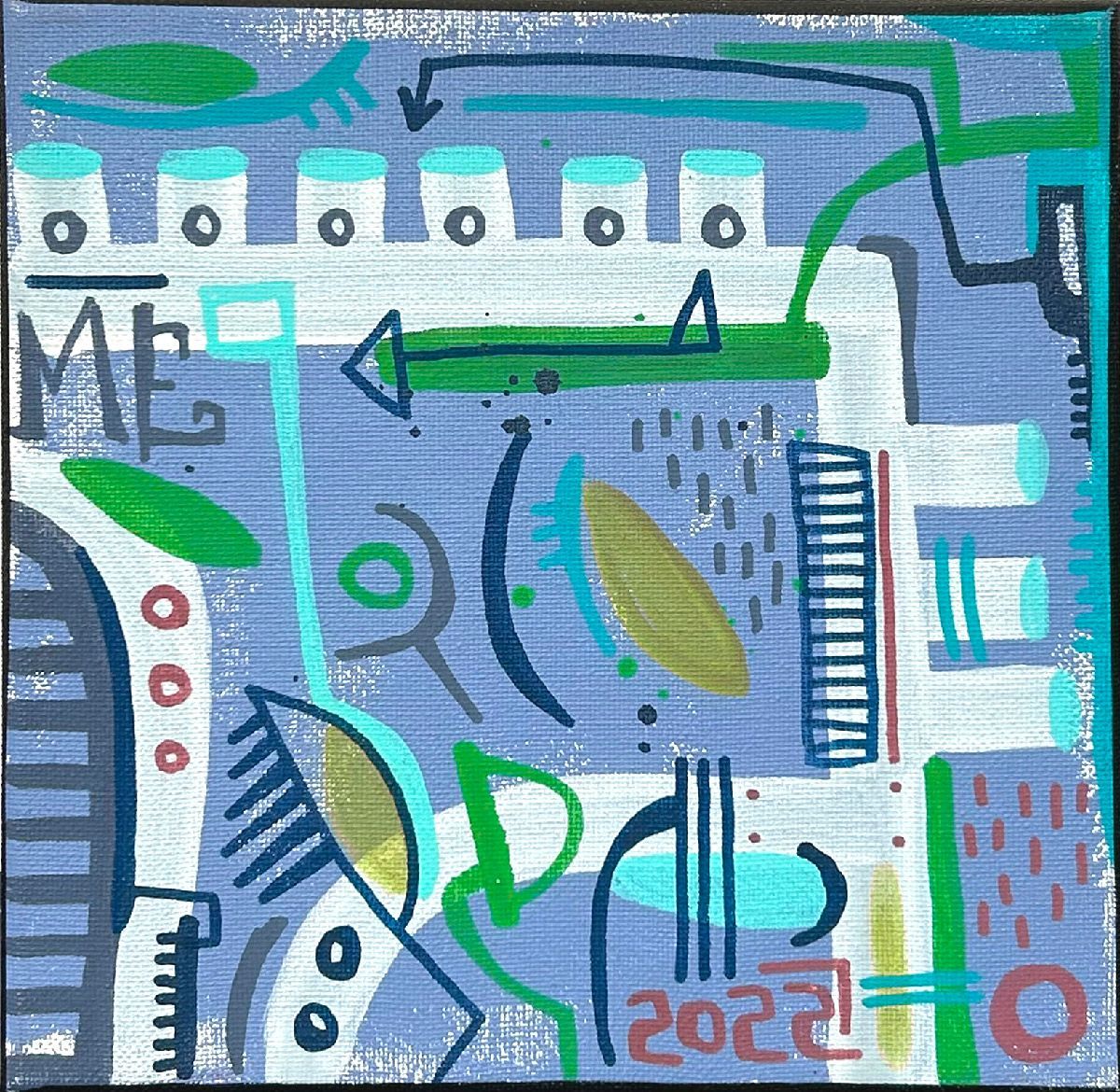
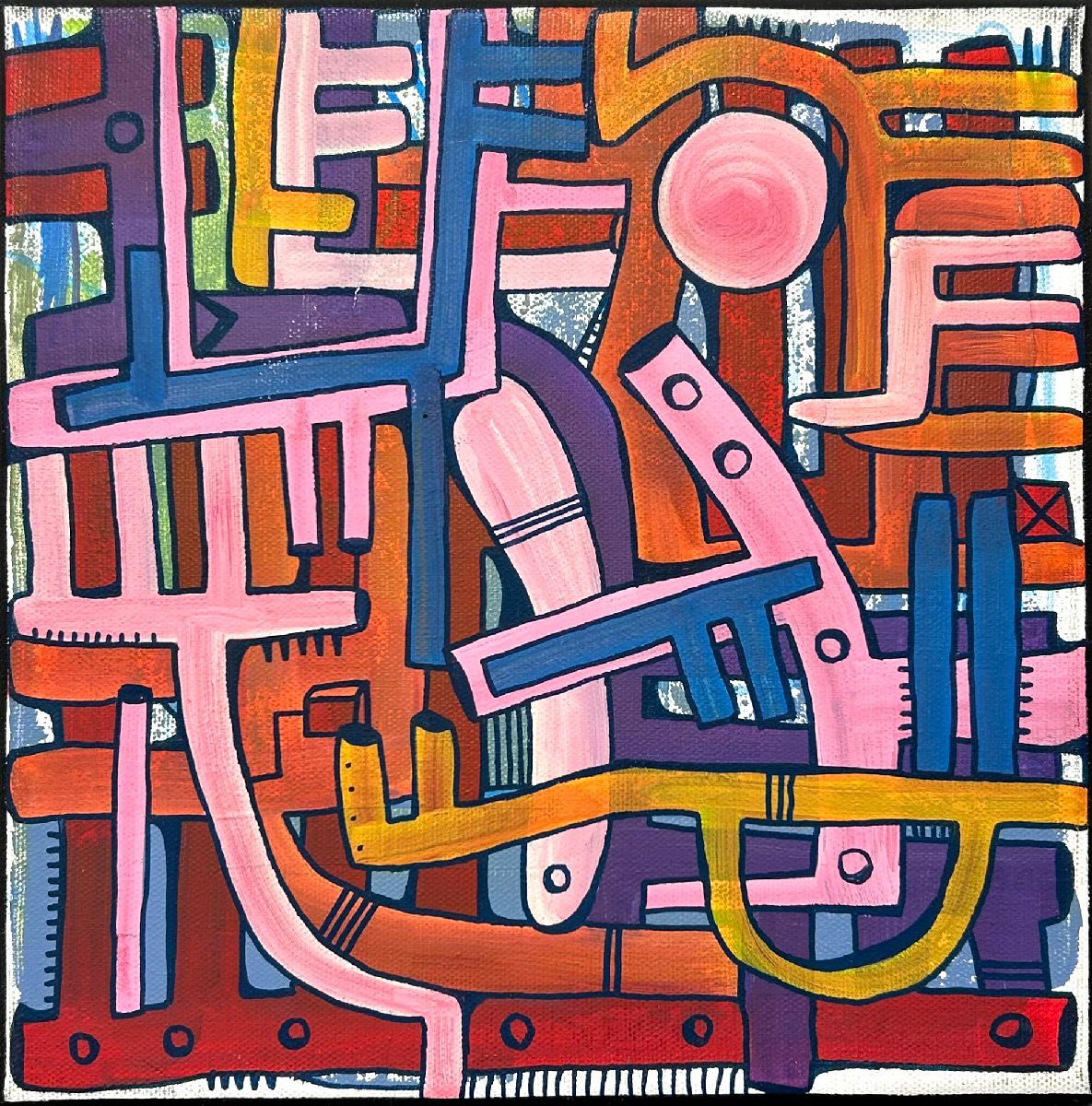
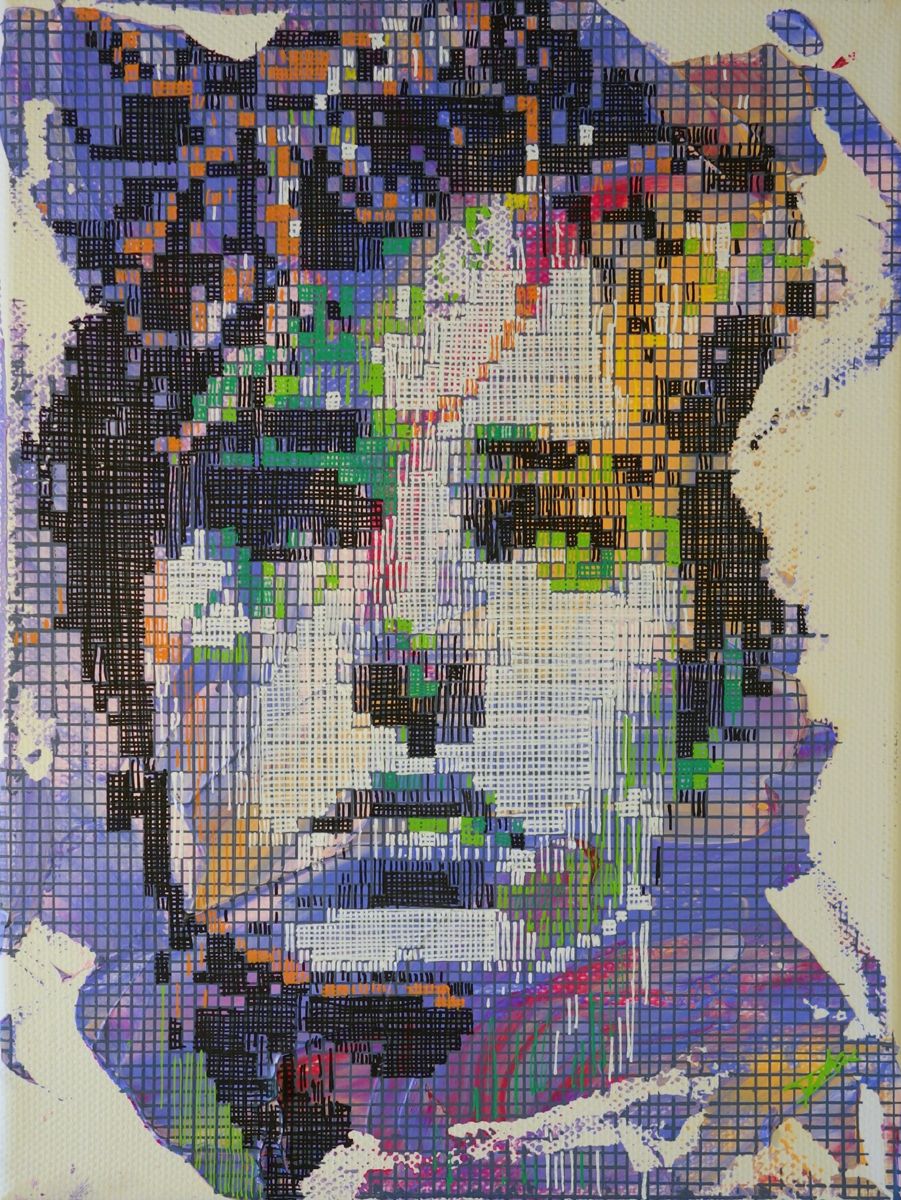
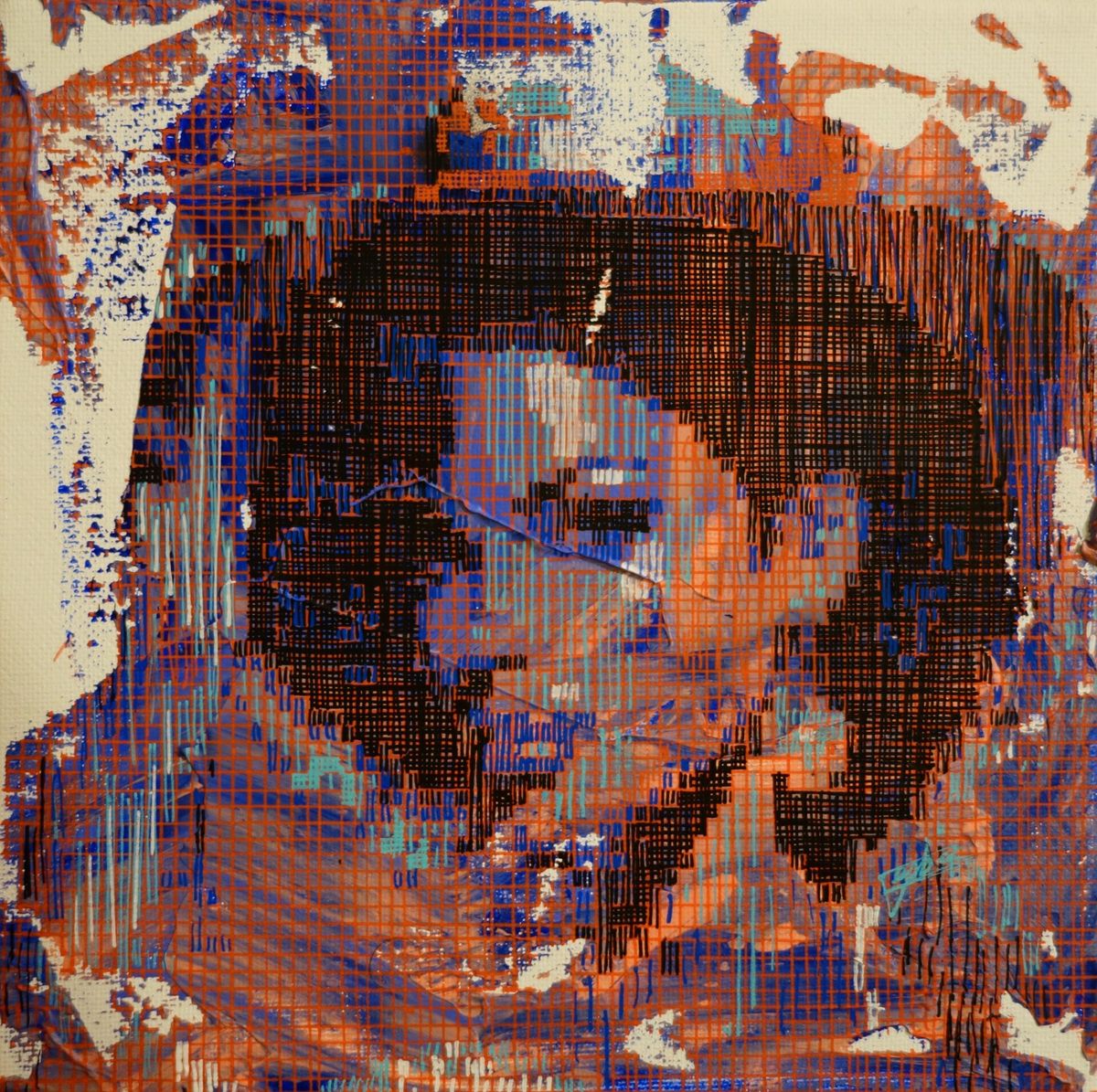
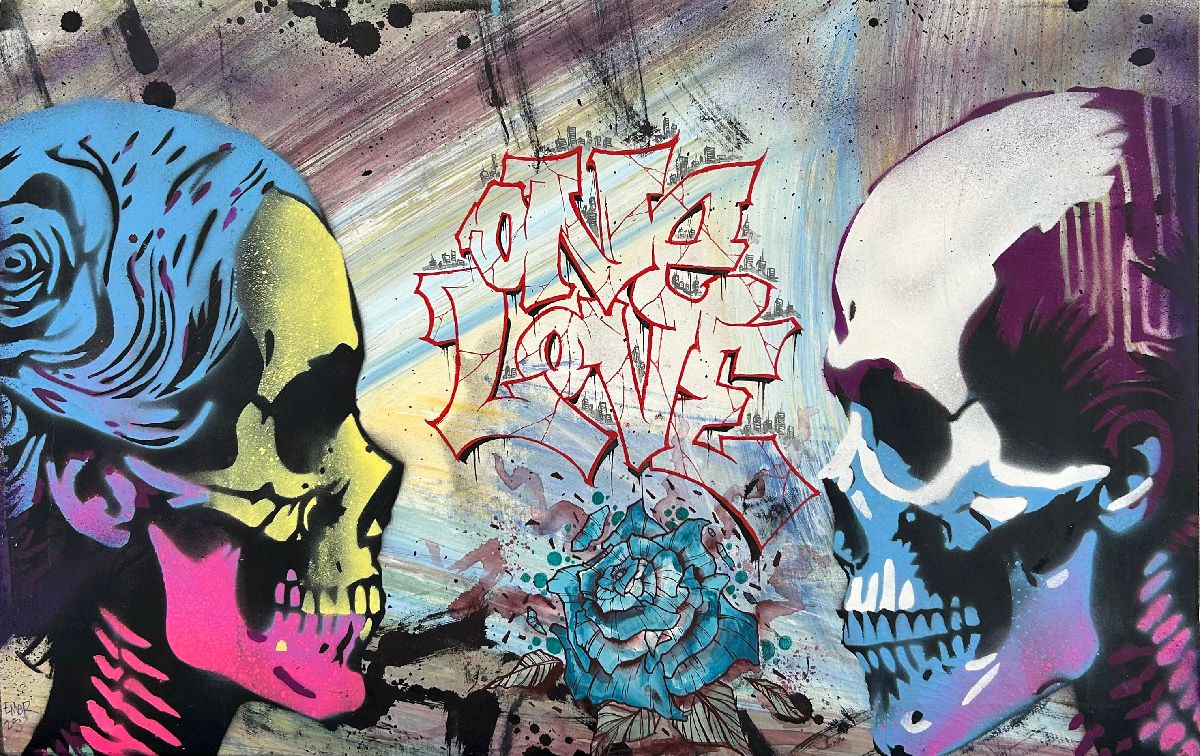
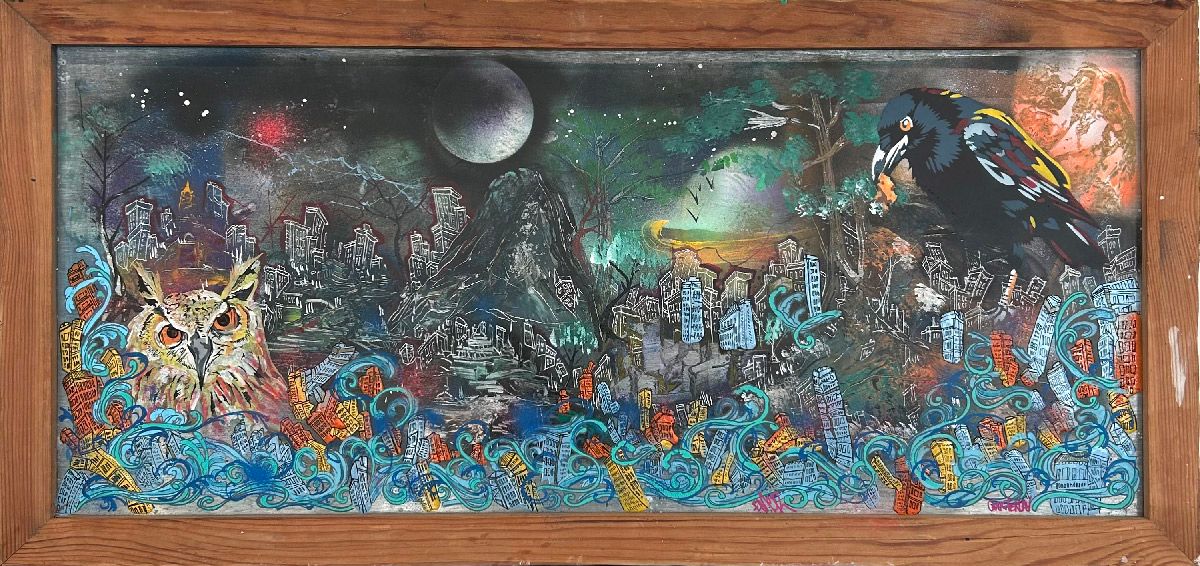
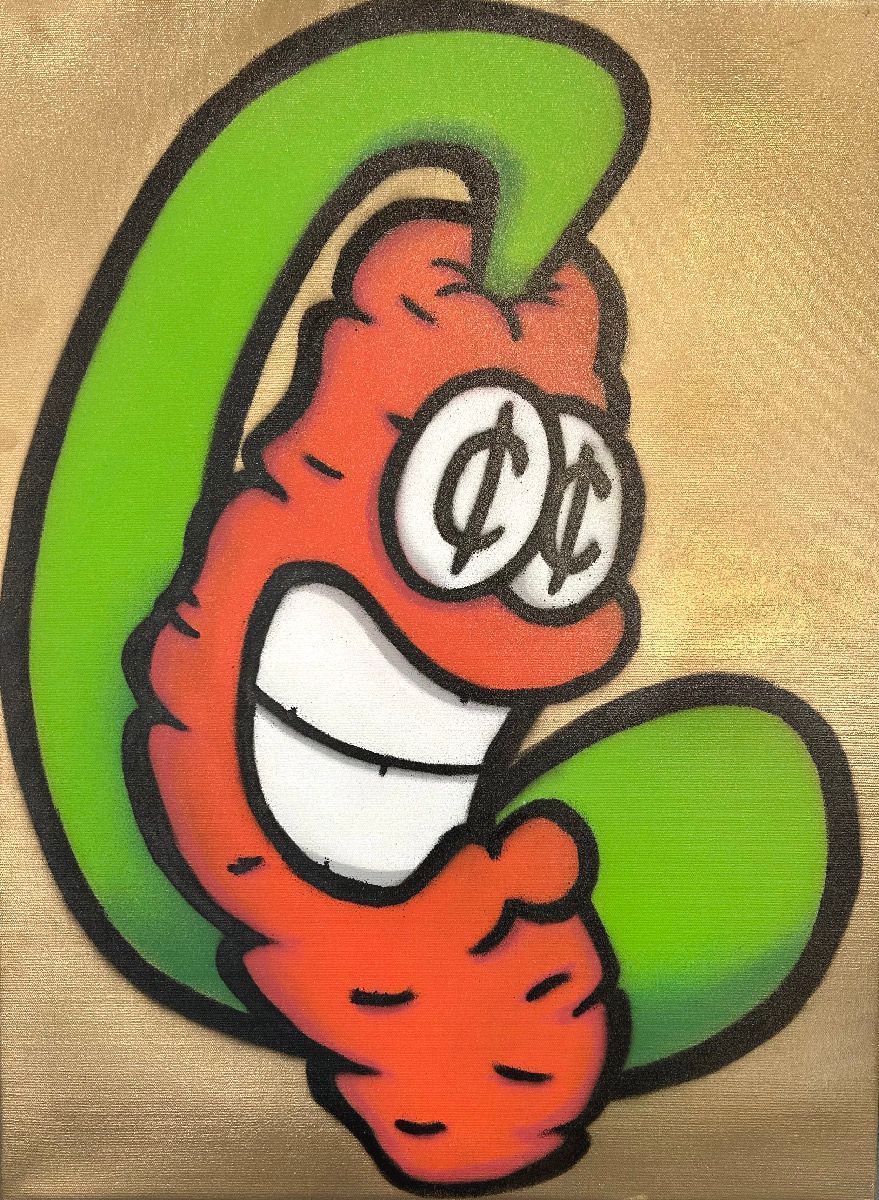
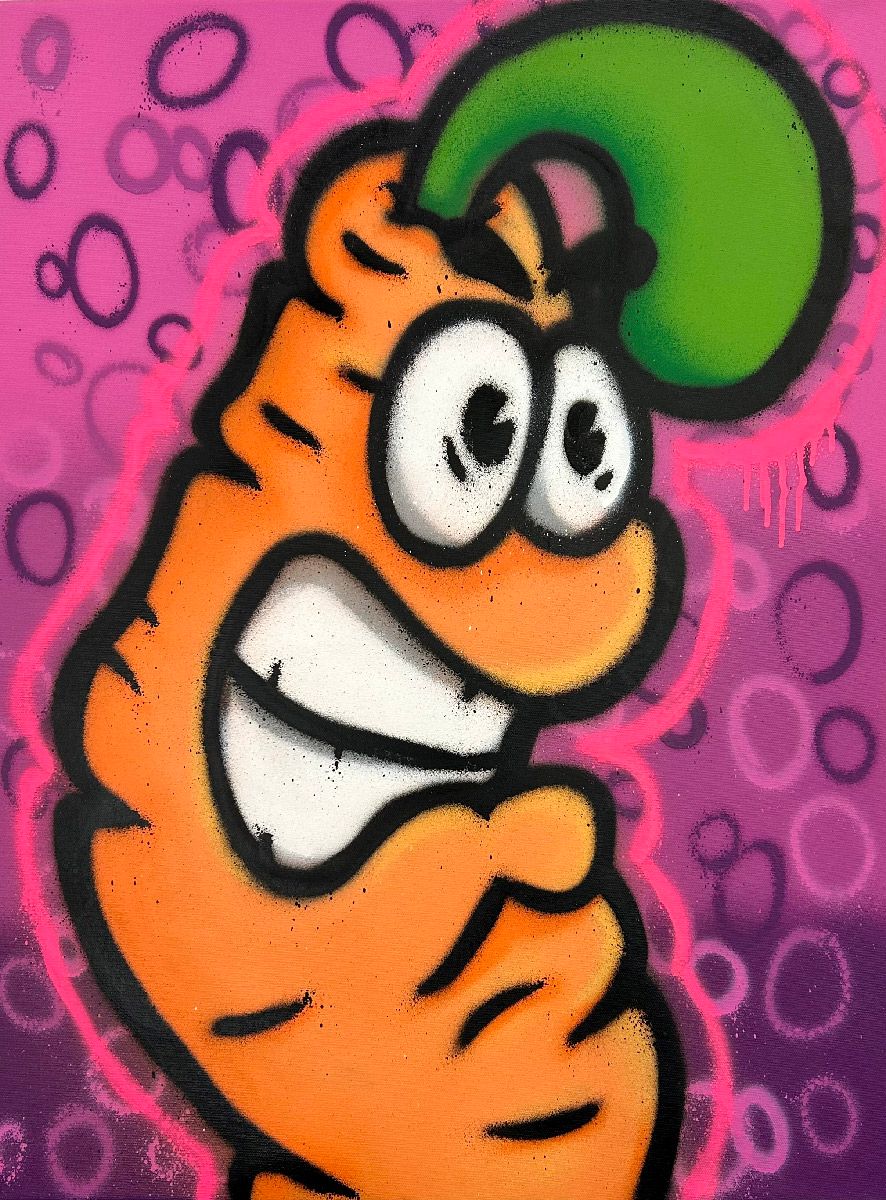
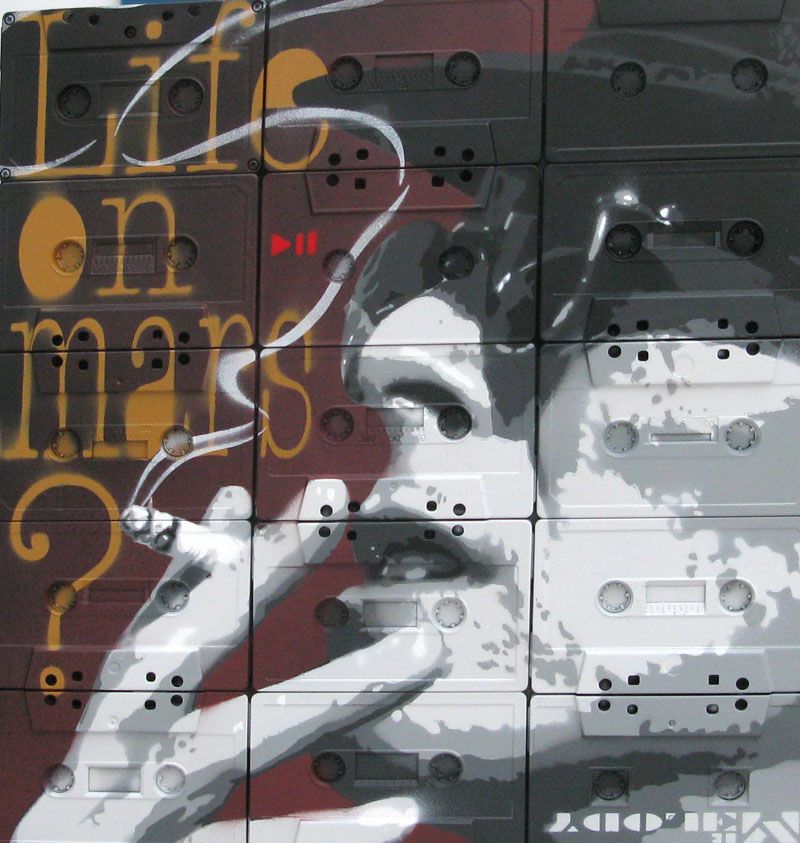
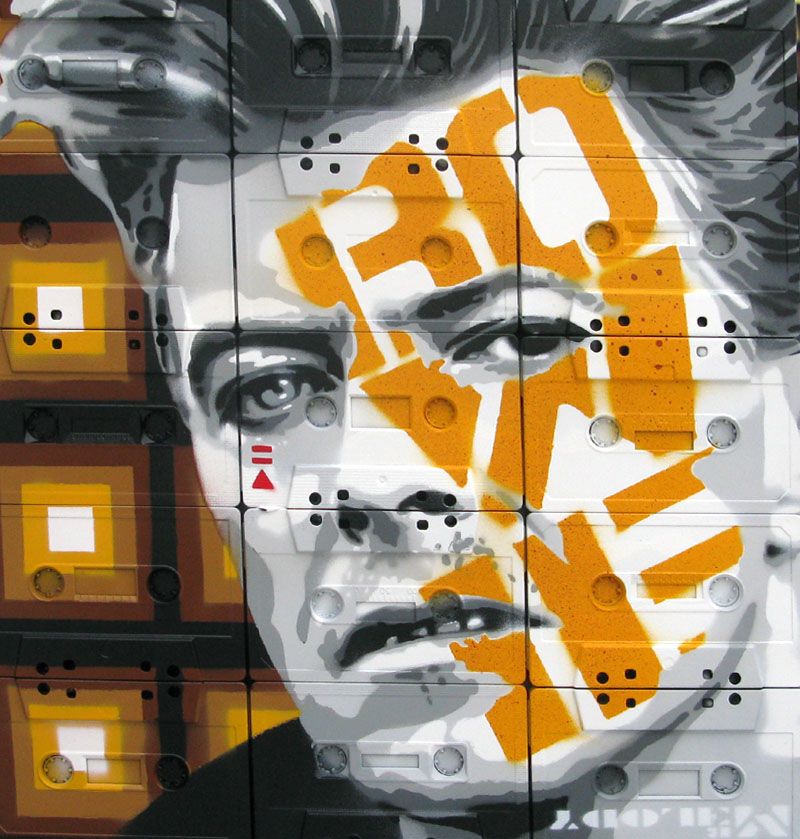
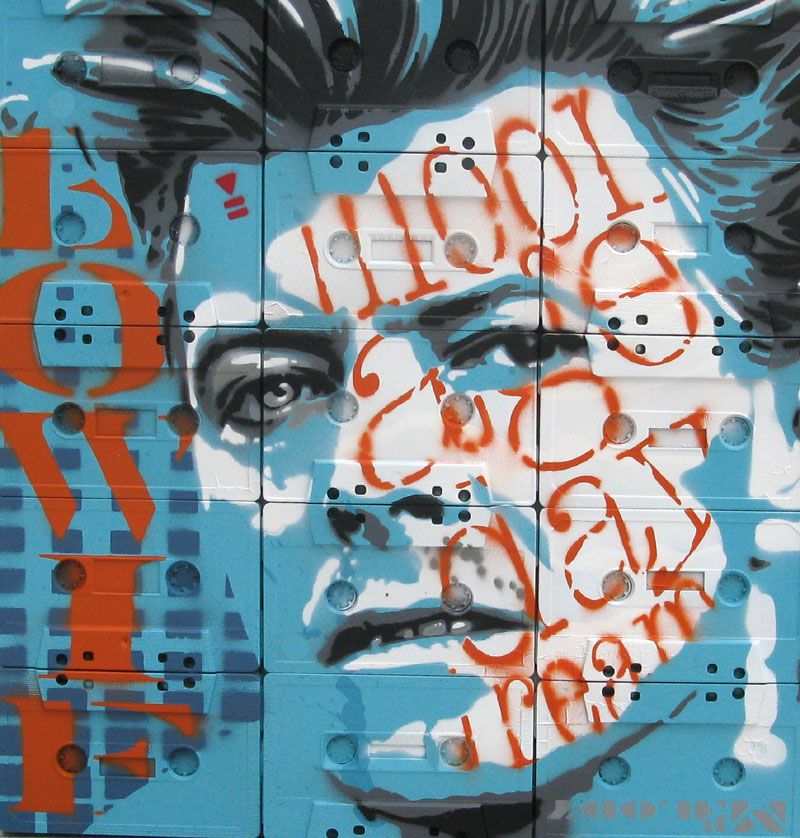
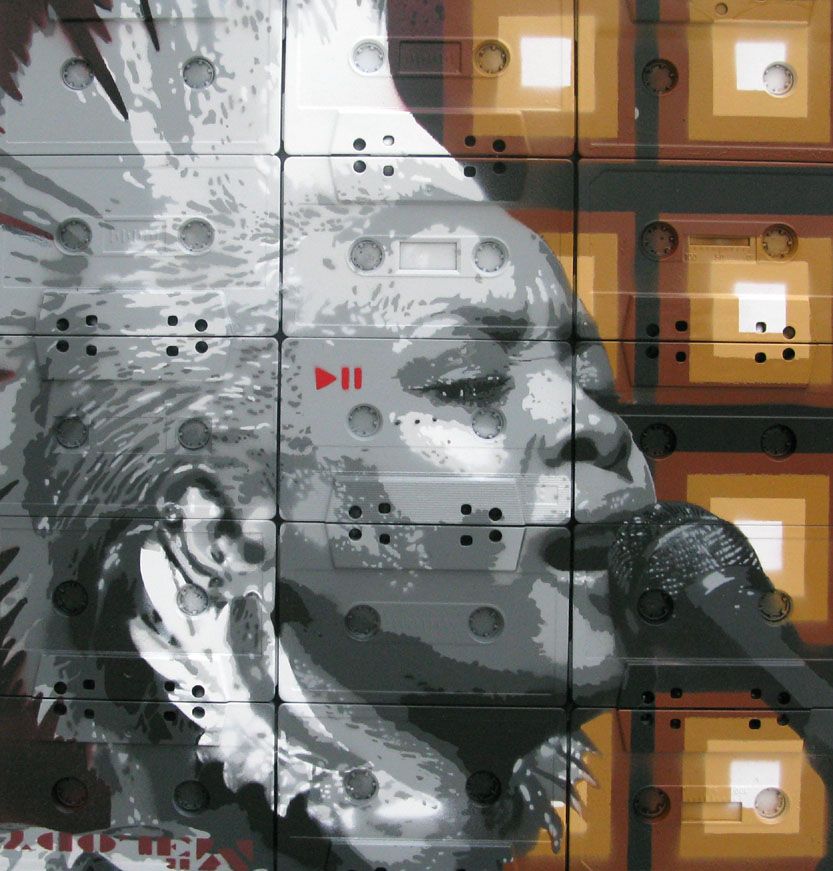
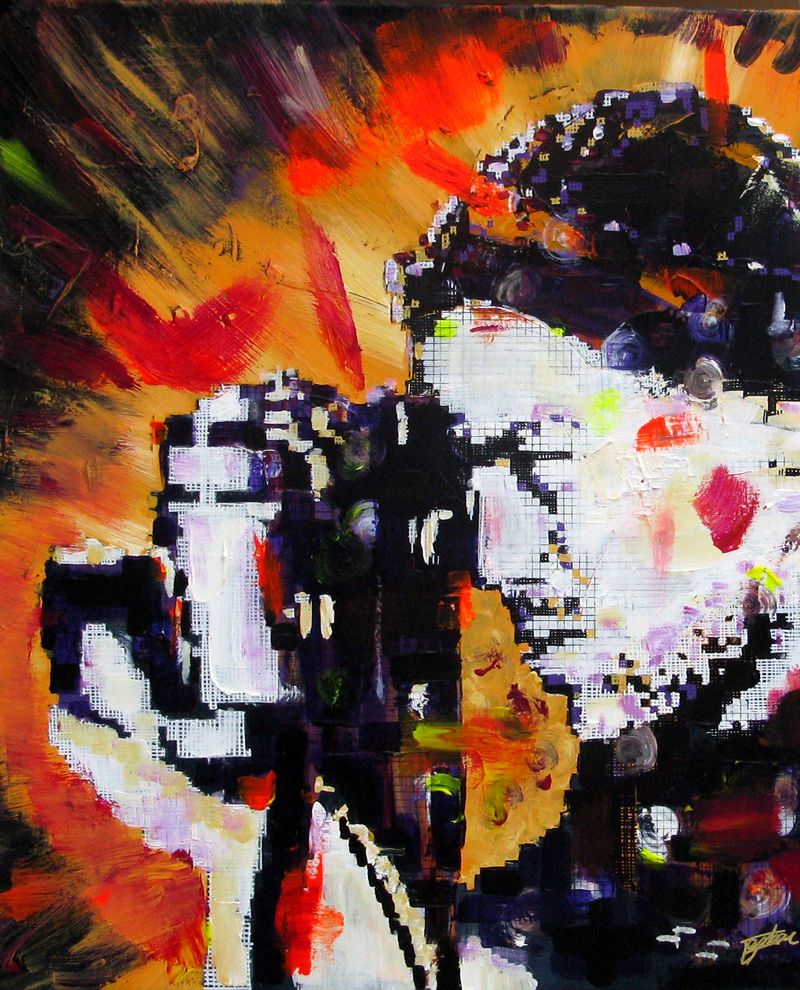
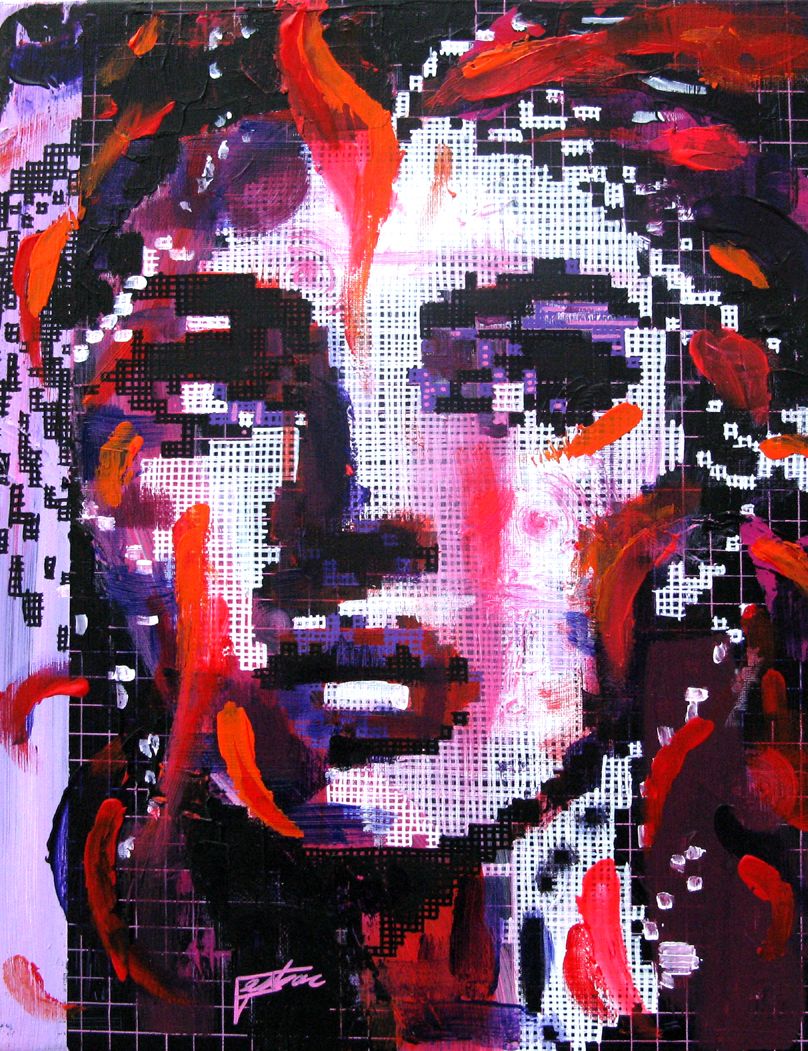
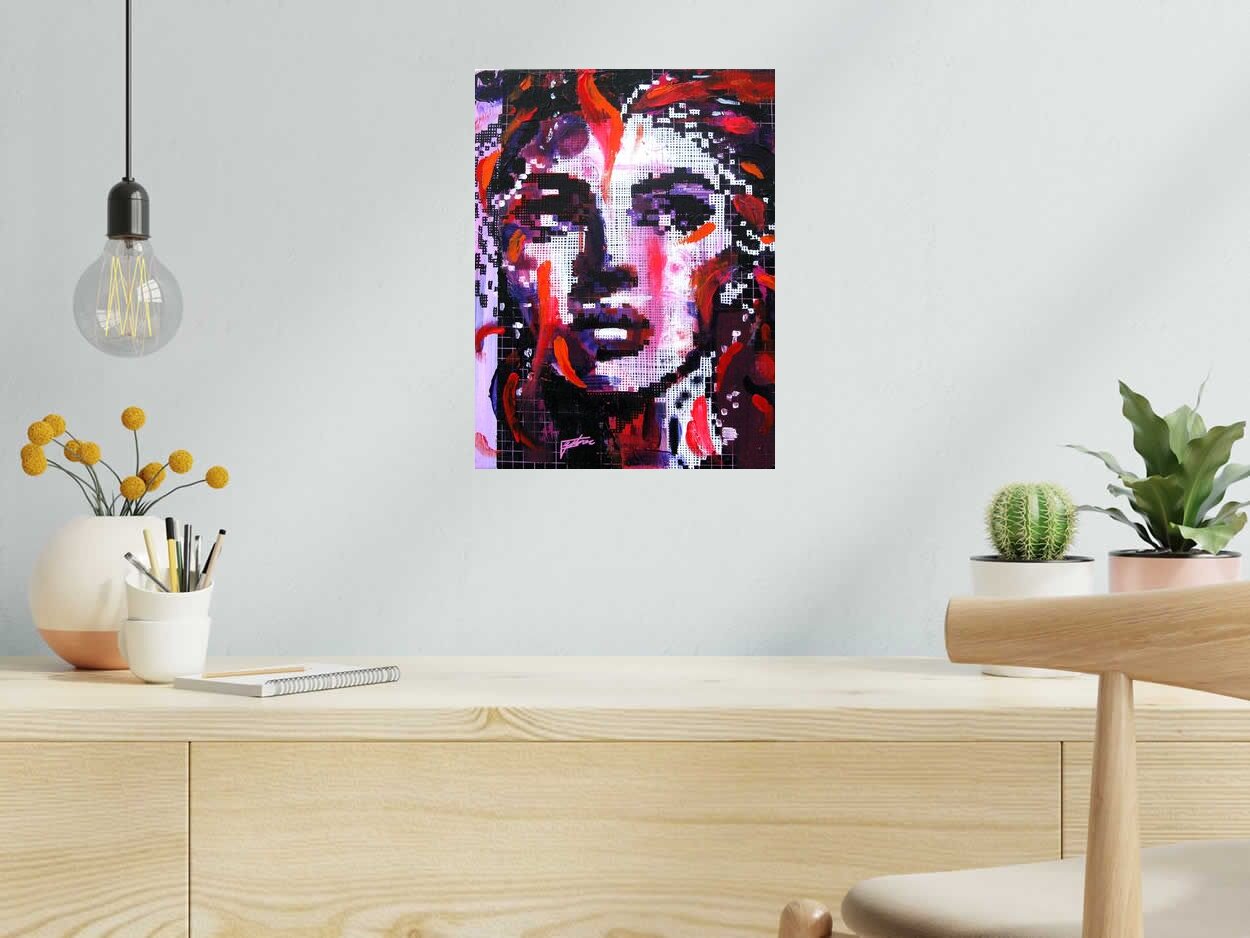
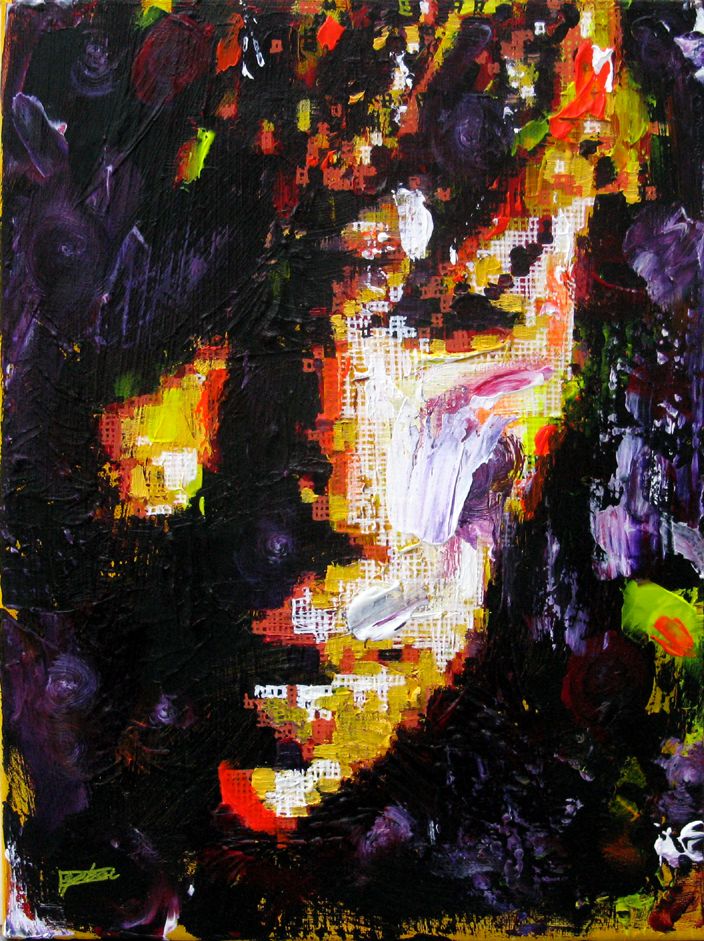
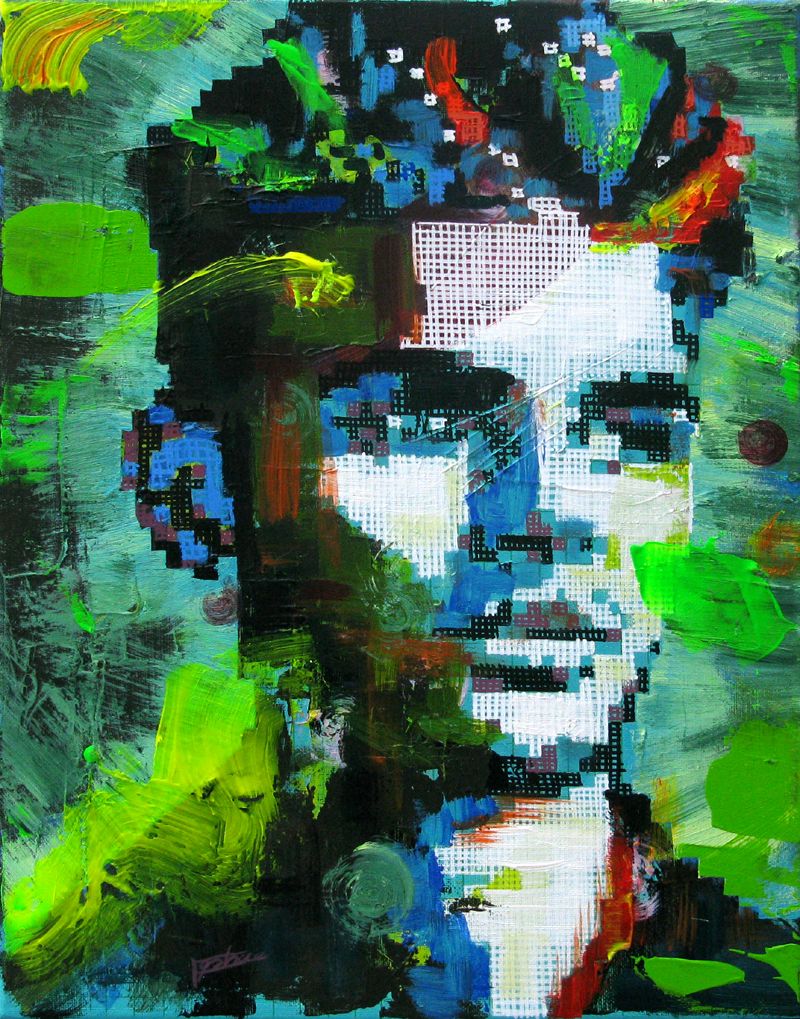
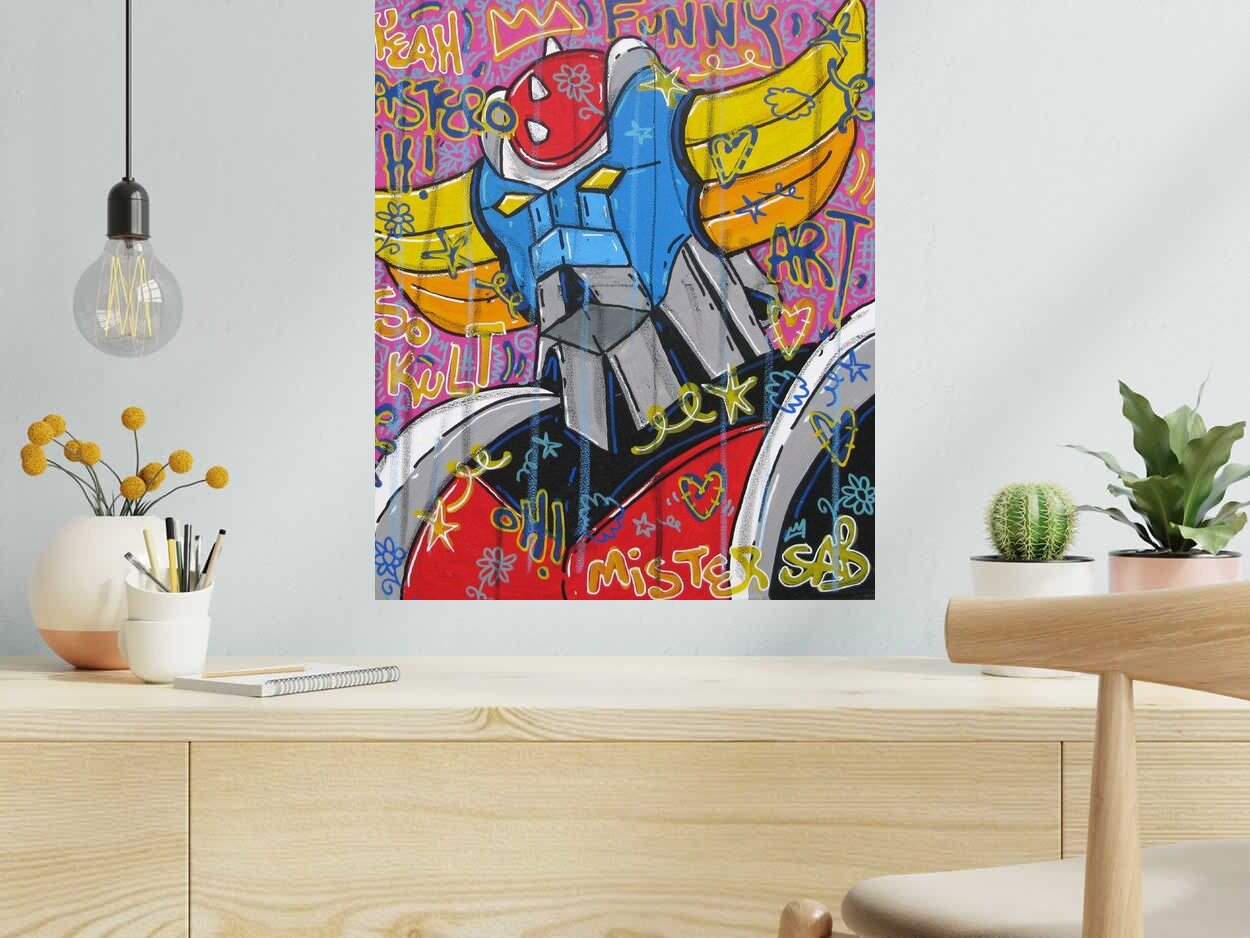
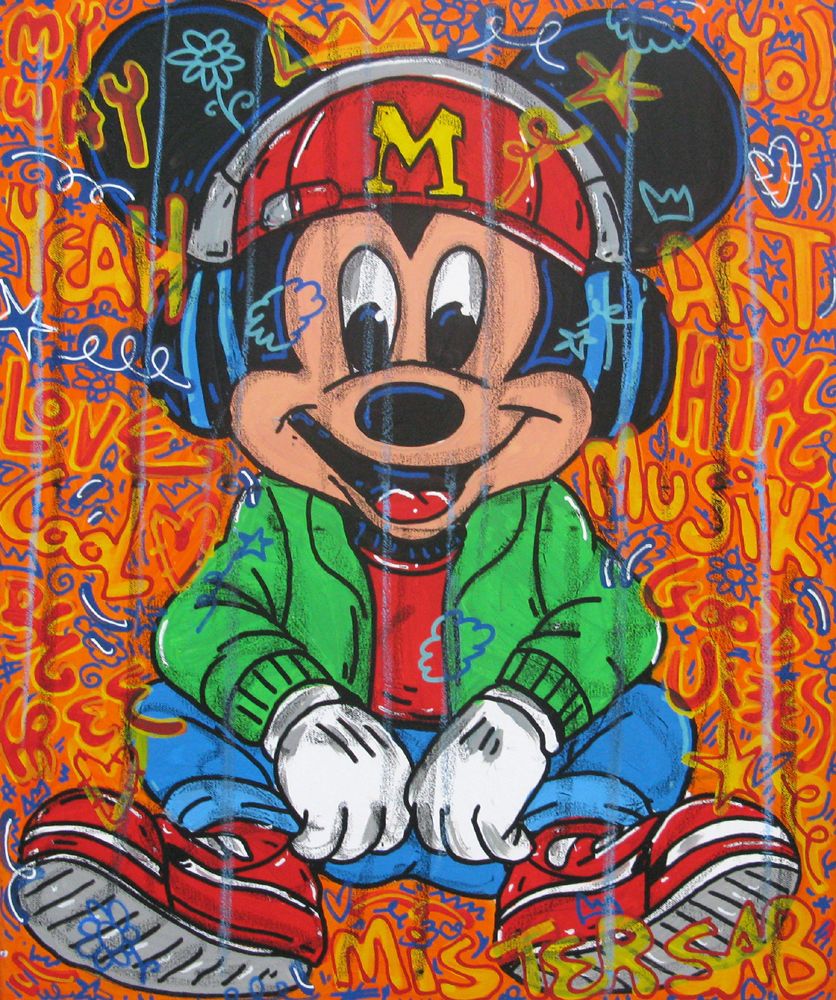
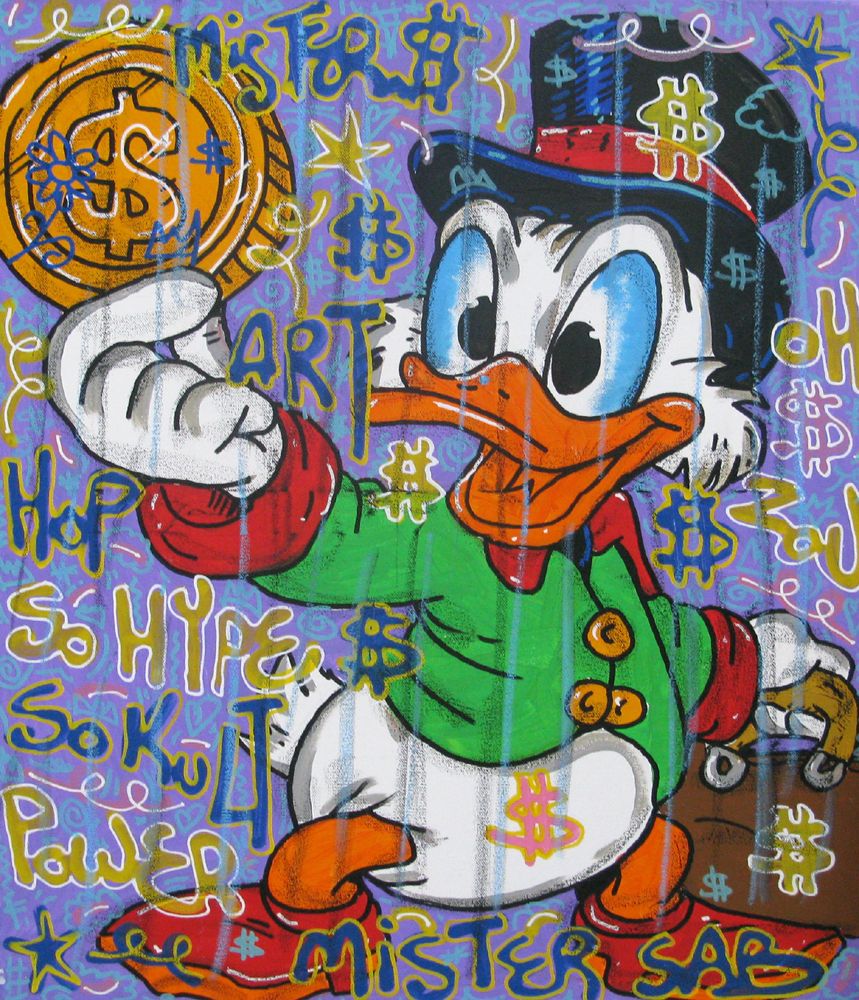
At Art Génération, we particularly highlight the work of Rico SAB, whose creations combine vibrant colors, popular references, and a contemporary look at our era.
## Why Collect Street Pop Art?
Street Pop Art attracts a growing number of collectors for several reasons:
* its immediate visual impact;
* its accessibility;
* its cultural richness;
* its ability to transcend generations;
* its strong decorative presence;
* its rootedness in contemporary issues.
Whether you are an urban art enthusiast, a Pop Art lover, or an experienced collector, Street Pop Art is an excellent gateway to contemporary art.
---
# Frequently Asked Questions about Street Pop Art
## What is Street Pop Art?
Street Pop Art is a contemporary art movement that merges the influences of Pop Art and Street Art. It uses references from popular culture and the codes of urban art to create modern, colorful, and expressive works.
## What is the difference between Pop Art and Street Pop Art?
Pop Art originated in the 1950s with artists like Andy Warhol and Roy Lichtenstein. Street Pop Art takes these influences but combines them with the aesthetics of graffiti, urban art, and contemporary issues.
## How to recognize a Street Pop Art piece?
A Street Pop Art piece generally features:
* bright colors;
* strong contrasts;
* references to popular culture;
* emblematic characters;
* reappropriations of famous images;
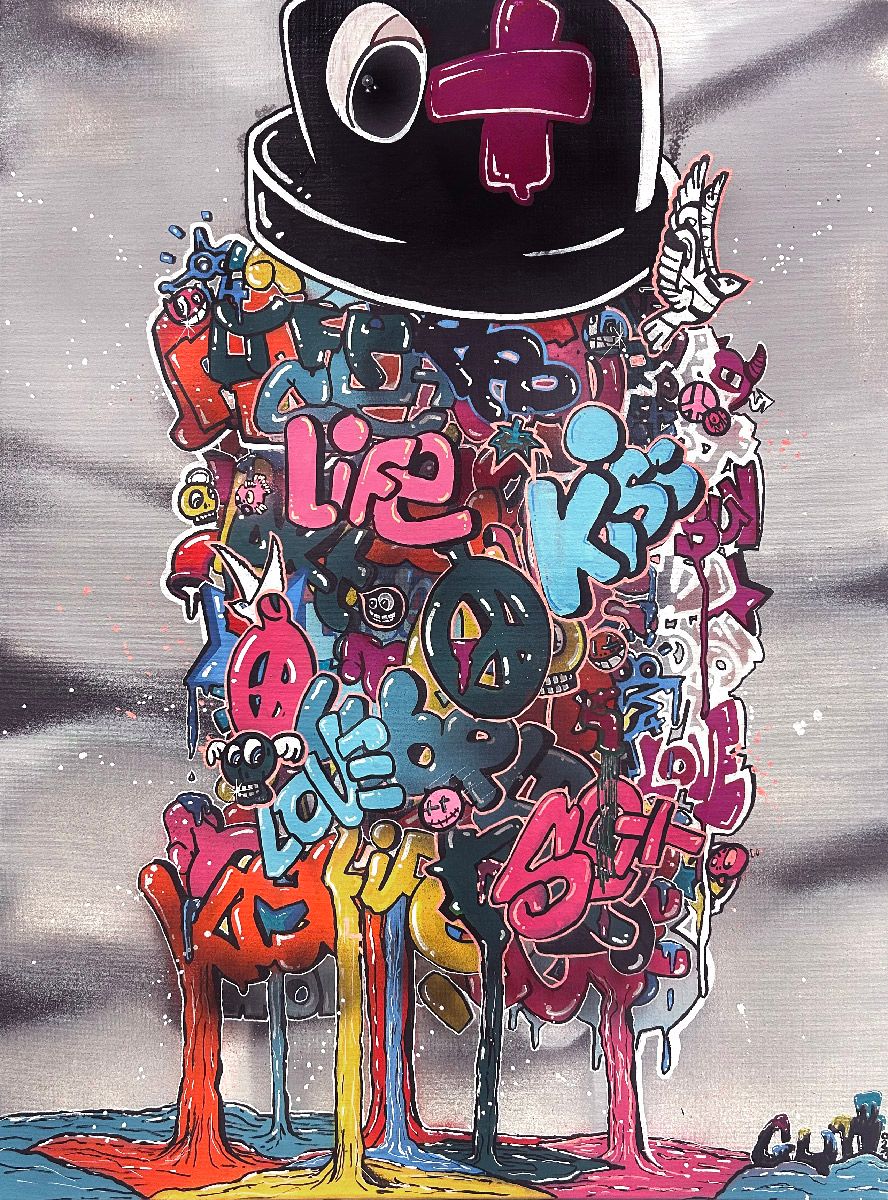
* an influence of urban art or graffiti.
## Why is Street Pop Art so popular?
Street Pop Art is appreciated for its accessibility, visual energy, and immediately understandable references. It allows everyone to develop a direct connection with the work while discovering an original artistic perspective on our society.
## Is Street Pop Art a good choice for contemporary decoration?
Yes. Thanks to its colors, dynamism, and modernity, Street Pop Art fits perfectly into contemporary interiors. It brings character, originality, and personality to a living or working space.
## Where to buy a Street Pop Art piece?
Galleries specializing in contemporary art allow you to discover emerging and renowned artists of the movement. Art Génération selects original works and art editions representative of contemporary Street Pop Art to support both beginner and experienced collectors.